Neuronutrition: Eat Your Way to Sharper Focus and Better Performance
Last month, the message was simple: food is medicine. After navigating my own recovery from the cardiac ward to the Ironman finish line, I saw firsthand how the right foods can make or break your health. We explored how nutrition, sleep, and movement not only protect your heart but also shape your body’s ability to heal, reset, and thrive. Now, let’s take that science and apply it to the command center: your brain. Welcome to the world of brain food and neuronutrition.
Your Brain Needs Fuel
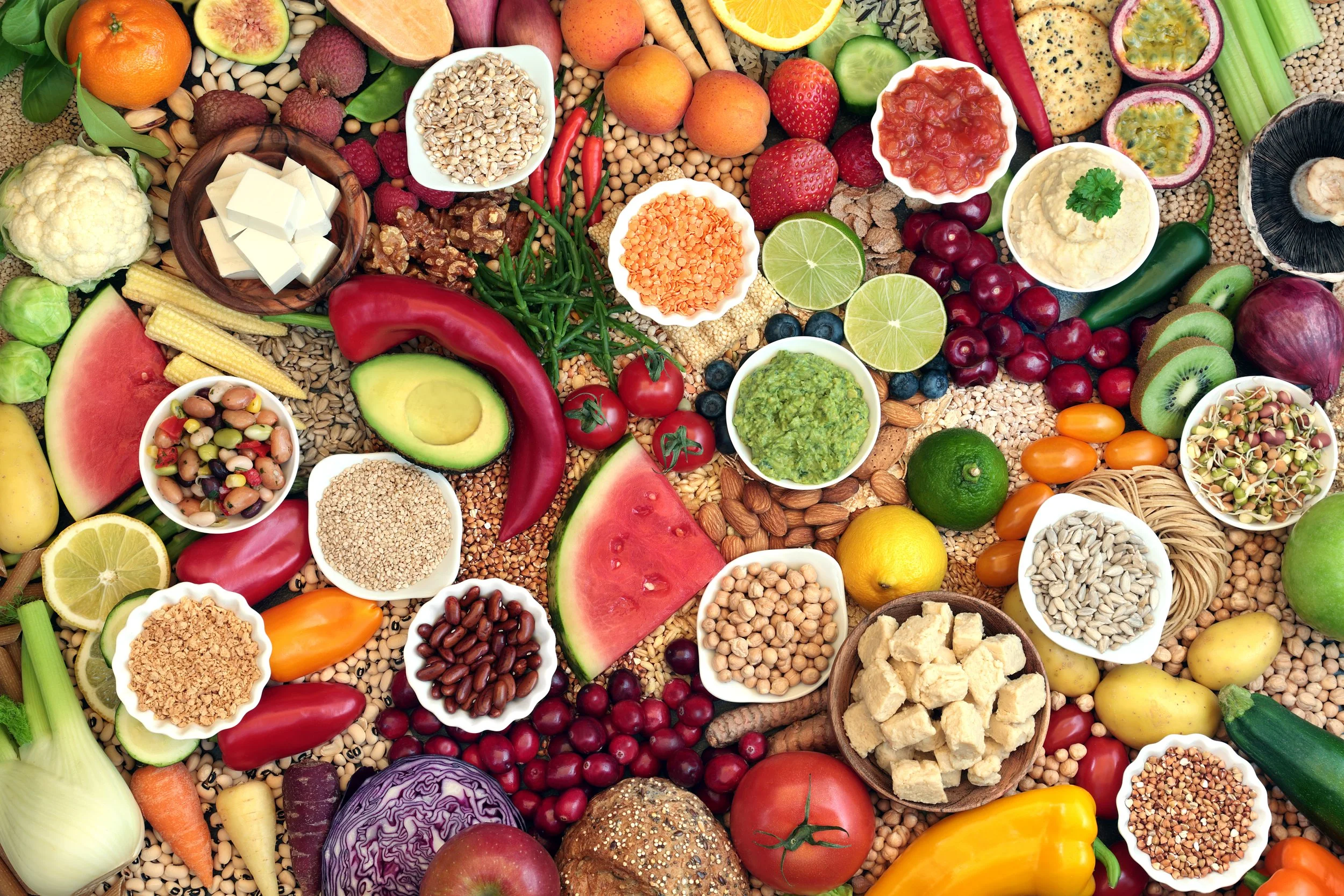
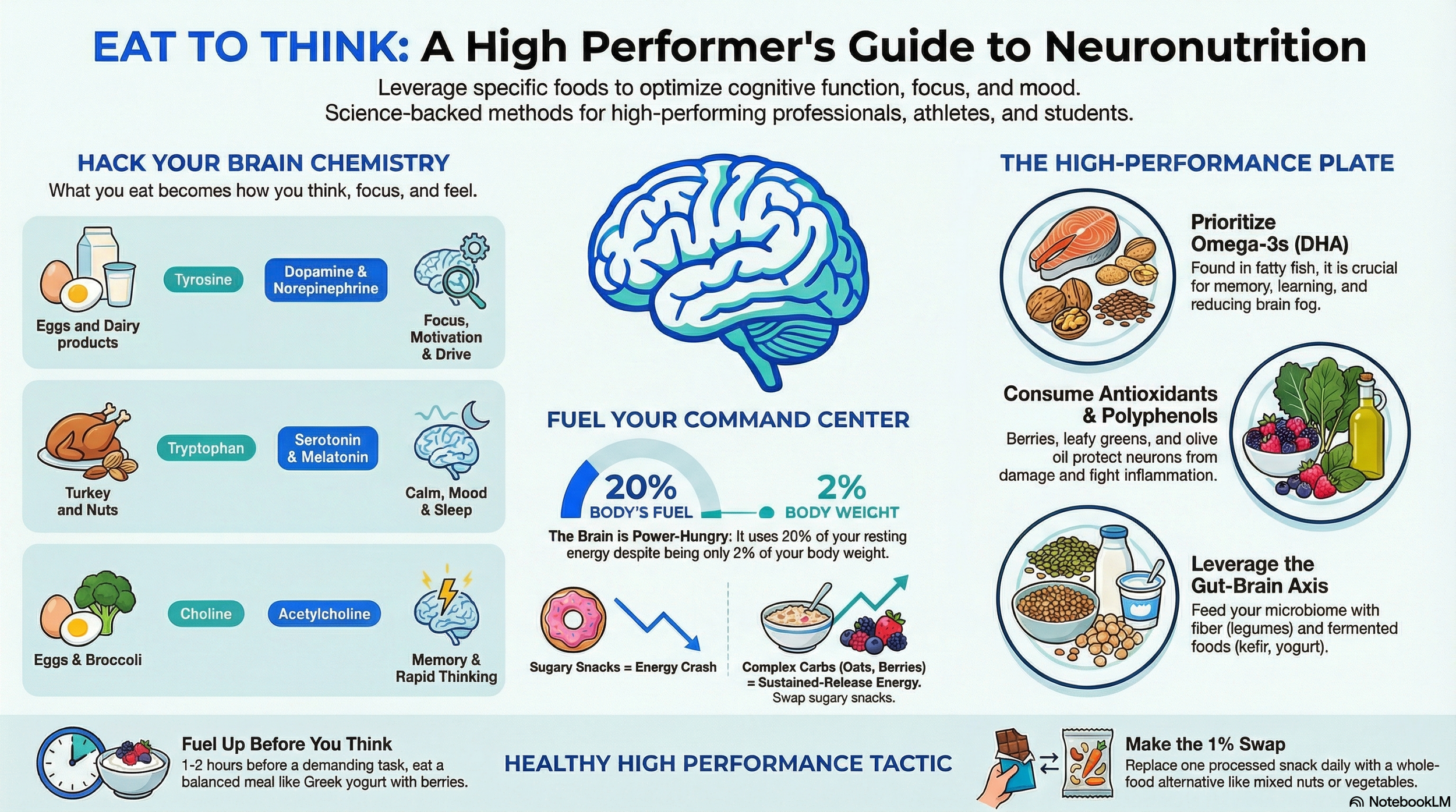
Despite only making up about 2% of your body weight, your brain devours up to 20% of your resting energy—making foods for focus and sustained energy critical for mental performance [1]. The main fuel? Glucose, which comes from carbohydrates. But not all carbs are on equal footing when it comes to sustained focus and mental performance. Simple sugars like those in white bread, soda, and pastries cause energy spikes and crashes. Complex carbs like whole oats, lentils, berries, and quinoa release glucose slowly, keeping your brain supplied for hours instead of minutes. The “eat smarter” approach begins with swapping refined carbs for complex, fiber-rich choices.
Brain Chemistry: How Tyrosine, Tryptophan, and Choline Boost Focus and Mood
Let’s talk brain chemistry. What you eat directly affects the production of neurotransmitters – those tiny molecules that shape alertness, motivation, and mood. Tyrosine, found in eggs, dairy, lean meats, and soy products, fuels the production of dopamine and norepinephrine, boosting focus, motivation, and drive [2]. Tryptophan, abundant in turkey, nuts, and seeds, builds serotonin and melatonin, supporting calm and healthy sleep cycles [3], [4], [5]. Packed in eggs, soybeans, and broccoli, choline is key to producing acetylcholine, a neurotransmitter that underpins memory and rapid thinking [6], [7]. Eat smarter by targeting these nutrient-rich foods when mental performance (or calm) is critical.
For a sharp morning: Eggs and Greek yogurt (tyrosine and choline)
For winding down: Small handful of cooked edamame or turkey breast (tryptophan boost)
The Gut-Brain Connection: How Your Microbiome Affects Mental Health
Here’s a fact: the trillions of microbes in your gut send signals directly to your brain. When you feed your gut with fiber-rich, colorful whole foods (think garlic, onions, asparagus, legumes, whole grains), or fermented foods (like kefir, yogurt, kimchi or sauerkraut), you cultivate bacteria that produce vital short-chain fatty acids and neurotransmitters – yes, your gut produces neurotransmitters! These compounds regulate mood, stress resilience, and inflammation, and gut dysbiosis has been linked to increased risks for Parkinson’s and Alzheimer’s disease [8], [9], [10]. Probiotics (from fermented foods) and prebiotics (fibrous plant foods) lay the foundation for better brain health through the gut-brain axis.
The Best Brain Foods
In addition to foods that feed your gut biota, your brain benefits from the following:
Omega-3 Fatty Acids: In particular, DHA, found in salmon, sardines, mackerel and other fatty fish, algal oil, and seaweed (wakame) is crucial for memory, learning, and reducing brain fog [11]. While walnuts, chia, and flaxseed contain the omega-3 fatty acid, ALA, which can be converted to DHA in the body, this process is 5x less efficient than consuming DHA directly through fish [12]. Getting your DHA through eating fish, rather than from supplement extracts leverages the “matrix effect” where important co-factors in fish enhance omega-3 absorption providing greater health benefits [13], [14].
Antioxidants: Blueberries, strawberries, leafy greens, and (raw) cacao contain flavanols that fight oxidative stress, protecting neurons from damage [15].
B Vitamins: Leafy greens, eggs, lentils, poultry, and fish support nerve function, energy production, and stable mood [16], [17].
Polyphenols: Extra-virgin olive oil, dark chocolate, green tea, and red grapes contain potent molecules that act as anti-inflammatories in both the gut and the brain [18].
Healthy Fats: Monounsaturated fats high in oleic acid (avocado, olive oil, nuts) help build flexible, high-performing nerve membranes [19], [20], [21].
These cognitive-enhancing foods provide the raw materials your brain needs for peak mental performance.
Eating for Peak Mental Performance
Timing your nutrients can be key.
Protein: Eggs, fish, Greek yogurt, lentils, before challenging tasks, boost focus and alertness.
Carbohydrates: Complex carbs help stabilize energy when you need sustained mental effort, while lighter intake in the evening can aid relaxation.
Hydration: Even mild dehydration drops alertness and impairs short-term memory. Sip water steadily throughout the day.
Never Skip Breakfast Before A Mentally Demanding Morning
Your brain needs a steady supply of glucose and amino acids. Research shows that even a simple breakfast improves short-term memory and problem-solving [22], [23]. To optimize performance balance macronutrients by combining slow-release carbs, quality protein, and healthy fats at every meal. For example, try steel-cut oats with walnuts and berries, or scrambled eggs with whole-grain bread and avocado.
If you have a big performance or exam, fuel your brain 1-2 hours beforehand with one of the following: Greek yogurt with blueberries and honey; nut butter on whole grain toast; or a banana with a handful of walnuts.
More Than Disease Prevention
Eating well doesn’t just help to prevent disease; it also upgrades your mental and physical capacity. Whole, real foods are always superior to supplements and processed alternatives. If you’re aiming for sharper focus, steadier energy, and peak performance, these practical approaches will help you eat smarter starting now.
1% TIP: EAT HEALTHY SNACKS FOR OPTIMAL PERFORMANCE
Keep chopped vegetables, mixed nuts, or a homemade energy bar on hand. Swap out one processed snack a day for a whole-food alternative. Over time, these small changes add up: delivering sharper focus, steadier mood, and lasting energy. Food is medicine, for your brain and your entire life.
References
[1] P. Mergenthaler, U. Lindauer, G. A. Dienel, and A. Meisel, “Sugar for the brain: the role of glucose in physiological and pathological brain function.,” Trends Neurosci., vol. 36, no. 10, pp. 587–597, Oct. 2013, doi: 10.1016/j.tins.2013.07.001.
[2] M. Bloemendaal et al., “Neuro-Cognitive Effects of Acute Tyrosine Administration on Reactive and Proactive Response Inhibition in Healthy Older Adults.,” eNeuro, vol. 5, no. 2, 2018, doi: 10.1523/ENEURO.0035-17.2018.
[3] H. Fukushige et al., “Effects of tryptophan-rich breakfast and light exposure during the daytime on melatonin secretion at night.,” J. Physiol. Anthropol., vol. 33, no. 1, p. 33, Nov. 2014, doi: 10.1186/1880-6805-33-33.
[4] T. A. Jenkins, J. C. D. Nguyen, K. E. Polglaze, and P. P. Bertrand, “Influence of Tryptophan and Serotonin on Mood and Cognition with a Possible Role of the Gut-Brain Axis.,” Nutrients, vol. 8, no. 1, Jan. 2016, doi: 10.3390/nu8010056.
[5] G. Lindseth, B. Helland, and J. Caspers, “The effects of dietary tryptophan on affective disorders.,” Arch. Psychiatr. Nurs., vol. 29, no. 2, pp. 102–107, Apr. 2015, doi: 10.1016/j.apnu.2014.11.008.
[6] C. Poly et al., “The relation of dietary choline to cognitive performance and white-matter hyperintensity in the Framingham Offspring Cohort.,” Am. J. Clin. Nutr., vol. 94, no. 6, pp. 1584–1591, Dec. 2011, doi: 10.3945/ajcn.110.008938.
[7] T. C. Wallace, “A Comprehensive Review of Eggs, Choline, and Lutein on Cognition Across the Life-span,” J. Am. Coll. Nutr., vol. 37, no. 4, pp. 269–285, May 2018, doi: 10.1080/07315724.2017.1423248.
[8] X. Zhang, B. Tang, and J. Guo, “Parkinson’s disease and gut microbiota: from clinical to mechanistic and therapeutic studies,” Transl. Neurodegener., vol. 12, no. 1, p. 59, 2023, doi: 10.1186/s40035-023-00392-8.
[9] D. Seo and D. M. Holtzman, “Current understanding of the Alzheimer’s disease-associated microbiome and therapeutic strategies,” Exp. Mol. Med., vol. 56, no. 1, pp. 86–94, 2024, doi: 10.1038/s12276-023-01146-2.
[10] A. Walker and D. M. Czyz, “Oh my gut! Is the microbial origin of neurodegenerative diseases real?,” Infect. Immun., vol. 91, no. 10, p. e0043722, Oct. 2023, doi: 10.1128/iai.00437-22.
[11] I. M. Dighriri et al., “Effects of Omega-3 Polyunsaturated Fatty Acids on Brain Functions: A Systematic Review.,” Cureus, vol. 14, no. 10, p. e30091, Oct. 2022, doi: 10.7759/cureus.30091.
[12] A. Manson, S. Mirochnikov, I. D. Poveda, H. Y. Chan, T. Winter, and H. M. Aukema, “Bioequivalence of docosahexaenoic acid intake to a novel estimate of the dietary alpha-linolenic acid requirement in growing rats using non-esterified oxylipins and fatty acids.,” J. Nutr. Biochem., p. 110144, Oct. 2025, doi: 10.1016/j.jnutbio.2025.110144.
[13] N. Ahmed Nasef et al., “Salmon food matrix influences digestion and bioavailability of long-chain omega-3 polyunsaturated fatty acids.,” Food Funct., vol. 12, no. 14, pp. 6588–6602, Jul. 2021, doi: 10.1039/d1fo00475a.
[14] M. J. Zibaeenezhad, M. Ghavipisheh, A. Attar, and A. Aslani, “Comparison of the effect of omega-3 supplements and fresh fish on lipid profile: a randomized, open-labeled trial.,” Nutr. Diabetes, vol. 7, no. 12, p. 1, Dec. 2017, doi: 10.1038/s41387-017-0007-8.
[15] Y. C. Yoon et al., “Neuroprotective Effects of Epicatechin against Oxidative Stress-Induced Cognitive Impairment: A Systematic Review and Meta-Analysis.,” J. Agric. Food Chem., vol. 73, no. 31, pp. 19505–19517, Aug. 2025, doi: 10.1021/acs.jafc.5c05536.
[16] B. Mahdavifar, M. Hosseinzadeh, A. Salehi-Abargouei, M. Mirzaei, and M. Vafa, “Dietary intake of B vitamins and their association with depression, anxiety, and stress symptoms: A cross-sectional, population-based survey,” J. Affect. Disord., vol. 288, pp. 92–98, 2021, doi: https://doi.org/10.1016/j.jad.2021.03.055.
[17] A. Han et al., “Exploring neuropsychiatric manifestations of vitamin B complex deficiencies,” Front. Psychiatry, vol. Volume 16-2025, 2025, [Online]. Available: https://www.frontiersin.org/journals/psychiatry/articles/10.3389/fpsyt.2025.1569826
[18] A. Chatterjee et al., “Dietary polyphenols represent a phytotherapeutic alternative for gut dysbiosis associated neurodegeneration: A systematic review,” J. Nutr. Biochem., vol. 129, p. 109622, 2024, doi: https://doi.org/10.1016/j.jnutbio.2024.109622.
[19] A. E. Rumora et al., “The Divergent Roles of Dietary Saturated and Monounsaturated Fatty Acids on Nerve Function in Murine Models of Obesity.,” J. Neurosci. Off. J. Soc. Neurosci., vol. 39, no. 19, pp. 3770–3781, May 2019, doi: 10.1523/JNEUROSCI.3173-18.2019.
[20] S. Hans, A. Karadimou, J. J. E. Mulvihill, A. M. Grabrucker, and I. Zabetakis, “The Role of Dietary Lipids in Cognitive Health: Implications for Neurodegenerative Disease,” 2022. doi: 10.3390/biomedicines10123250.
[21] J. Song et al., “Neuroprotective effects of oleic acid in rodent models of cerebral ischaemia.,” Sci. Rep., vol. 9, no. 1, p. 10732, Jul. 2019, doi: 10.1038/s41598-019-47057-z.
[22] S.-H. Cheng and L. Q. Rebecca Yew, “Breakfast Skipping: Influencing Factors and its Impact on Cognitive Function and Academic Performance among Malaysian University Students.,” Percept. Mot. Skills, vol. 132, no. 5, pp. 829–850, Oct. 2025, doi: 10.1177/00315125251329999.
[23] X. Wang et al., “Association between breakfast patterns and executive function among adolescents in Shanghai, China.,” Front. Nutr., vol. 11, p. 1373129, 2024, doi: 10.3389/fnut.2024.1373129.
[24] A. K. Azevedo-Martins, M. P. Santos, J. Abayomi, N. J. R. Ferreira, and F. S. Evangelista, “The Impact of Excessive Fructose Intake on Adipose Tissue and the Development of Childhood Obesity.,” Nutrients, vol. 16, no. 7, Mar. 2024, doi: 10.3390/nu16070939.