
Inflammation is a term that often carries a negative connotation, associated with pain, discomfort, and disease. However, inflammation is not inherently bad. It's the body's natural response to injury or infection, initiating the healing process by summoning immune cells to the affected area.
This acute inflammatory response is crucial for our survival, targeting and isolating pathogens or damaged tissue for repair. But when inflammation becomes chronic, it can lead to a myriad of health issues, contributing to the development of chronic diseases such as cardiovascular disease, diabetes, cancer, and autoimmune disorders.
The Dark Side of Chronic Inflammation
Unlike acute inflammation, chronic inflammation is a low-grade, persistent state that can silently damage the body over years, even decades, without any apparent symptoms. This type of inflammation can be triggered by various factors, including persistent infections, prolonged exposure to irritants (such as industrial chemicals), and lifestyle factors like stress, obesity, and sedentary habits. Chronic inflammation has been linked to a significant number of diseases, emphasizing the need for strategies to mitigate the impact of chronic inflammation on our health.
Nutritional Warriors Against Inflammation
The foods we eat play a pivotal role in either exacerbating or alleviating inflammation. Adopting an anti-inflammatory diet is a powerful strategy to reduce the risk of chronic inflammation and its associated diseases. Here are specific foods and dietary practices that can help decrease inflammation:
1. Omega-3 Fatty Acids
Omega-3 fatty acids, found in fatty fish (such as salmon, mackerel, and sardines), flaxseeds, chia seeds, and walnuts, are renowned for their anti-inflammatory properties. They can reduce the production of molecules and substances linked to inflammation, such as eicosanoids and cytokines.
2. Antioxidant-Rich Fruits and Vegetables
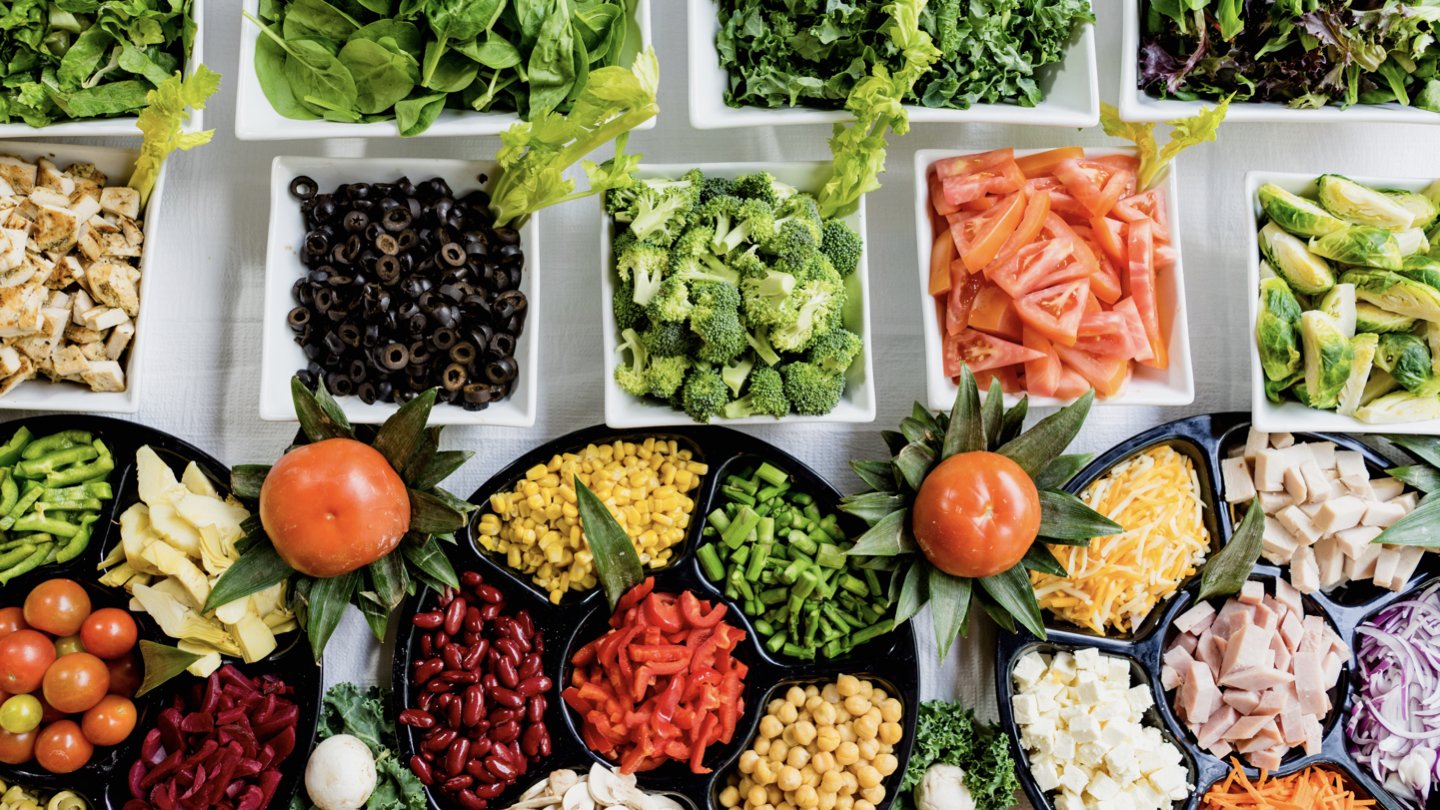
Fruits and vegetables are high in antioxidants and polyphenols—protective compounds that reduce inflammation. Some of the best choices include berries (strawberries, blueberries, raspberries), cherries, oranges, and leafy greens (spinach, kale, collards).
3. Whole Grains
Whole grains, such as oats, quinoa, brown rice, and whole wheat, are high in fiber, which can reduce levels of C-reactive protein (a marker of inflammation) in the blood. They also provide important nutrients, including B vitamins, which can reduce chronic inflammation.
4. Nuts and Seeds
Nuts and seeds, including almonds, walnuts, flaxseeds, and chia seeds, are good sources of healthy fats, protein, and fiber, all of which can help combat inflammation. They also contain antioxidants and other nutrients that contribute to reducing inflammation.
5. Herbs and Spices
Turmeric, ginger, cinnamon, and garlic are not only flavorful but also possess potent anti-inflammatory properties, thanks to compounds like curcumin in turmeric and gingerol in ginger.
6) Eat anti-anxiety foods.
In an article for Harvard Health, Dr. Uma Naidoo makes a case for the important role diet plays in managing anxiety. She recommends foods rich in magnesium (spinach, swiss chard, legumes, nuts, seeds), zinc (oysters, cashews, liver, beef, eggs), omega-3s (discussed above), probiotics (sauerkraut, kefir, kombucha, kimchi), and B vitamins (avocado, almonds). All of these foods encourage the release of neurotransmitters like serotonin and dopamine, which improve mood.
DOWNLOAD AN EXAMPLE DAILY MEAL PLAN FOR HEALTHY FAMILIES.
Recommended cookbooks:
Bonus: Healthy Nutrition Podcast
Check out this podcast episode with guest Leslie Beck on Nutrition for Optimal Health.
The Bottom Line
Inflammation can be a double-edged sword—protective and healing on one hand, but harmful when it becomes chronic. By incorporating anti-inflammatory foods into our diet, we can harness nutrition's power to combat inflammation and improve our overall health. Remember, no single food can alleviate inflammation on its own; a holistic, balanced diet combined with a healthy lifestyle is the key to reducing inflammation and protecting your health.
