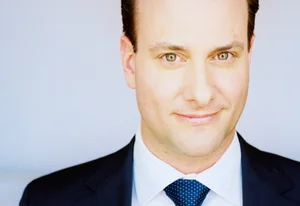
The Science of Finishing What You Start With Chris Bailey
Chris Bailey is trying to solve the gap between setting goals and actually following through on them. In this episode, we dig into helping you to stop relying on vague motivation or willpower and instead align your goals, priorities, and daily actions with what matters most to you.



In today’s conversation Chris Bailey explores why intention is deeper than goal setting and why follow-through depends on aligning daily actions with values and priorities. He and Dr. Wells unpack Bailey’s “intention stack,” the science of human values, and the hidden role of aversion in procrastination. They also examine how people can redesign goals so they feel more meaningful, attractive, and realistic. The conversation ultimately turns productivity into something more human: a way of acting with purpose instead of simply doing more.
You will learn how Chris defines intention, how values quietly shape motivation and follow-through, why priorities sit between values and goals, how procrastination is often driven by aversion rather than laziness, and why time awareness is one of the most practical tools for becoming more intentional. You will also hear a simple daily practice he uses himself: setting three clear intentions for the day before the noise begins.
You will discover that a goal is not just a wish or an ambition. In Bailey’s framing, it is a prediction about where your current and planned actions will take you, which means better follow-through depends on designing those actions far more carefully.
This episode helps solve the challenge of knowing what you want but repeatedly failing to act on it. Bailey gives listeners a framework for making goals more doable by connecting them to values, reducing aversion, and translating them into concrete daily intentions.
Key take aways:
Goals fail when they clash with values.
Priorities connect values to goals.
Aversion drives procrastination.
Time awareness creates better action.
Three daily intentions sharpen focus.
“A goal is a prediction of where we believe our current and our planned actions will take us.”
Today’s Expert Guest - Best Selling Author Chris bailey
Chris Bailey is an author, speaker, and productivity researcher known for translating behavioral science into practical tools for work and life. According to his official site, he turned down full-time job offers after business school to spend a year studying productivity full time, then built a body of work around interviews, self-experiments, and deep dives into academic research. He is the author of Intentional, How to Calm Your Mind, Hyperfocus, and The Productivity Project, and Penguin Random House says his books have been published in forty-two languages.
Chris Bailey’s work stands out because he does not treat productivity as hustle, speed, or optimization for its own sake. His approach is more evidence-based and more reflective: he combines academic research, rigorous self-experimentation, and practical frameworks that help people align attention, action, and meaning. In Intentional, that becomes especially clear through his integration of values research, procrastination science, and Buddhist insight around volition and self-awareness.
One ACTIONABLE TAKEAWAY: Start each day by choosing three intentions before you react to anything else. That small practice creates structure, protects attention, and gives your day a clear direction that is connected to your bigger goals.
Follow Chris Bailey on Instagram & Linked In.
Check out his website.
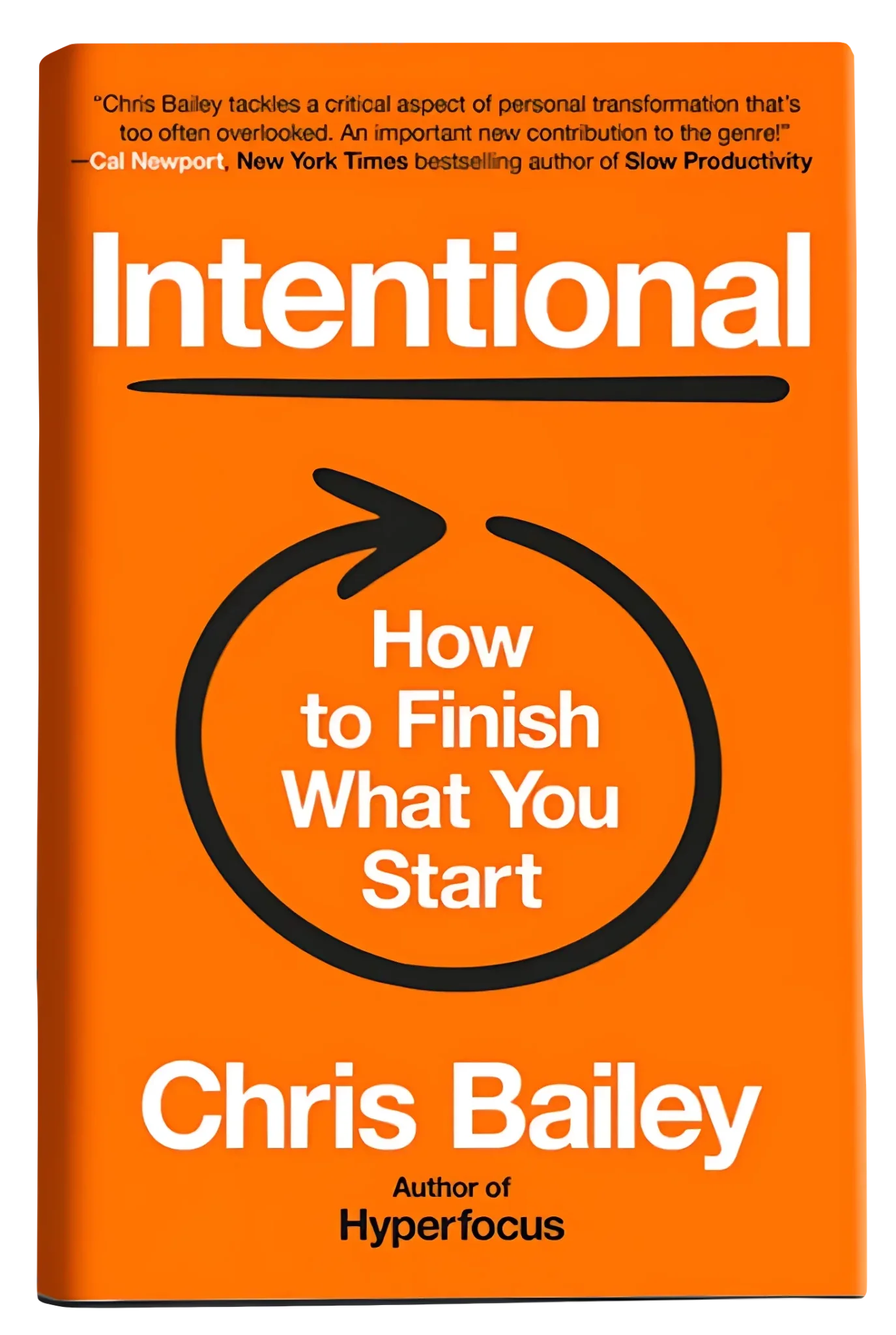
Intentional
How to Finish What Your Start
Setting goals is easy. Following through on them? A whole lot harder.
It turns out, the secret to finishing what you start isn’t sheer willpower or the latest productivity hack. It’s becoming more intentional.
With Intentional, bestselling author Chris Bailey distills a decade of deep research on productivity to deliver a profound, practical, and counterintuitive road map to getting things done. Forget extensive to-do lists and a never-ending workload. To reach your goals, you must structure your daily actions around what’s most important to you—and let go of the rest. This way, getting things done becomes second nature.
This podcast contains advice and information relating to health and wellness. It should be used to supplement rather than replace the advice of your doctor or another trained health professional. If you know or suspect that you have a health problem, seek your physician’s advice before embarking on any medical program or treatment. All efforts have been made to assure the accuracy of the information contained in this podcast / interview / article as of the date of publication. The author and publisher disclaim liability for any medical or other outcomes that may occur as a result of applying the methods suggested in this material.