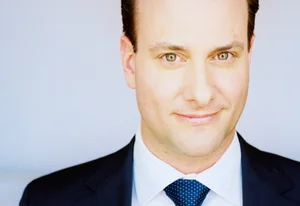
#53 - How leaders protect performance and mental health with Dr. Marie Helene-Pelletier
Today’s guest is Dr. Marie Helene-Pelletier
Dr. Pelletier is solving the “I’m exhausted and slipping, but I don’t know what to change” problem—helping busy professionals and leaders understand what burnout really is, how to spot the early warning signs, and how to rebalance demands vs. supplies with practical, evidence-based actions at both the individual and organizational level.
In today’s conversation Marie-Hélène Pelletier explores why burnout is more than just feeling tired—and how it shows up as exhaustion, cynicism, and declining performance. She breaks down a simple but powerful framework: demands are rising (especially during crisis), and if supply doesn’t increase, we slide downward over time. Dr. Wells and Dr. Pelletier also dig into how to build self-awareness earlier, reduce stigma through more specific conversations (anxiety, depression, substance use, etc.), and protect performance using the fundamentals that move the needle most.
You will learn the World Health Organization framing of burnout and why people often misuse the term. You’ll learn how to map your stressors using a “demand list” and identify the small percentage you can change to get meaningful relief. You’ll learn the four foundational behaviors that most strongly support mental health (sleep, nutrition, exercise, and relationships), plus why they require consistency—not quick fixes. You’ll learn simple self-awareness tools (daily 0–10 ratings, nuance over extremes, and check-ins with trusted people) that help you catch problems sooner.
You will discover that resilience isn’t just “trying harder”—it often starts by reducing the load you’re carrying and aligning your choices with your values, because some demand levels are impossible to “out-supply.”
She helps listeners solve the challenge of staying high-performing without slowly breaking down—by creating a realistic plan to prevent burnout, restore energy, and protect mental health in high-demand workplaces.



Key take aways:
Burnout is exhaustion plus cynicism plus performance decline.
List demands first—then find what you can change.
Protect the basics: sleep, nutrition, exercise, relationships.
Track your mood daily—no “0” and no “10.”
Challenge catastrophic thoughts; broaden perspective to calm the brain.
“A thought is just a thought.”
Today’s Expert Guest - Dr. Marie Helene Pelletier
Dr. Marie-Hélène Pelletier (Dr. MH) is an award-winning workplace mental health expert, psychologist, executive coach, and speaker. She holds a PhD in counselling psychology from the University of British Columbia and an MBA from UBC Sauder, and she teaches leadership resilience. She has led workplace mental health strategy and senior leadership roles (including at Sun Life Financial), served on the boards of the Canadian Psychological Association and the International Association of Applied Psychology, and is an active member of the World Health Organization’s Global Clinical Practice Network.
Dr. Pelletier’s approach is distinct because she bridges clinical psychology + business leadership—translating research into practical, workplace-ready strategies that protect both performance and wellbeing. She emphasizes resilience as a strategic system (not a personality trait), helping individuals, teams, and organizations see the levers they can pull to reduce burnout risk, improve clarity and decision-making under pressure, and build a healthier, higher-performing culture.
One key actionable take-away (biggest idea): Do a Demand–Supply Reset this week: write your top work and life demands, then identify the 20% you can change (delegate, pause, renegotiate, or drop). In parallel, pick one supply habit to protect daily (sleep, movement, nutrition, or connection) and schedule it like a meeting—because you can’t sustainably “outwork” an impossible load.
12. and 13. Follow Dr. Pelletier on Instagram & Linked In.
14. Check out her website.
This podcast contains advice and information relating to health and wellness. It should be used to supplement rather than replace the advice of your doctor or another trained health professional. If you know or suspect that you have a health problem, seek your physician’s advice before embarking on any medical program or treatment. All efforts have been made to assure the accuracy of the information contained in this podcast / interview / article as of the date of publication. The author and publisher disclaim liability for any medical or other outcomes that may occur as a result of applying the methods suggested in this material.