
Episode 129 · July 28, 2023 · 44 min



When I started working with the canoe kayak team, I sat on the dock in Florida for three weeks before anyone asked for my opinion. Research only helps an athlete when it fits that athlete’s world, and Dr. Paul Laursen learned the same lesson as Physiology Manager for High Performance Sport New Zealand through the London and Rio Olympic cycles. Paul co-wrote the textbook on high-intensity interval training, and in this conversation he shows you how to choose your intervals, recover between them and fuel for long events.
HIIT takes you above your critical power, where you recruit the large fast-twitch muscle fibres that walking and easy running never reach. When those fibres recover, they build more mitochondria, and the stretch on your heart increases the blood it pumps with each beat, so your VO2 max climbs. The details decide how much of that you get, and Paul makes them simple enough to use this week.
“The context should always be in front of the content.”
Key takeaways
Put context before content. Decide what a session is for before you choose it. A sprint or power athlete trains the neuromuscular system with short, all-out efforts and full rest. An endurance athlete wants more time near VO2 max, from longer intervals that keep you breathing hard.
Rest completely between short intervals. In a 2004 study Paul cites, athletes doing 15-second efforts lasted more than twice as long when they rested passively instead of jogging. Standing still lets myoglobin reload oxygen inside your muscle, so your next effort runs on more aerobic energy.
Let your brain set the pace. Learn your training zones with a watch, then learn to feel them. After a poor night of sleep, an illness or a hard day at home, your brain pulls you back, and that effort is the right one for that day.
Recover before you go hard again. Sleep, fluids, food and calm do most of the work after a hard session. Heart rate variability and your own sense of readiness tell you whether your stress hormones have settled, and an easy walk or spin fills the days in between.
Eat like a nutrivore. Choose foods for the vitamins and minerals they deliver. For Ironman racing, Paul builds his athletes’ fat metabolism with a whole-food, lower-carbohydrate diet, which can ease the load on the gut during a long race. He is clear that it works for some athletes and not for others.
Your 1% Tip
Next time you do intervals, rest completely between efforts: stand still or walk slowly. Try 15 seconds hard and 15 seconds of rest for five minutes, and stop when your speed fades. Your muscles reload oxygen during each rest, so every effort you make counts for more.
About Paul
Dr. Paul Laursen is co-founder of Athletica and HIIT Science, and an Adjunct Professor of Exercise Physiology at Auckland University of Technology. He was Physiology Manager for High Performance Sport New Zealand through the London and Rio Olympic cycles, has published more than 150 peer-reviewed articles, and co-wrote Science and Application of High-Intensity Interval Training with Martin Buchheit. He is an Ironman athlete and endurance coach based in Revelstoke, British Columbia.
Website · Athletica profile · HIIT Science
Resources
Passive versus Active Recovery during High-Intensity Intermittent Exercises (Dupont et al., Medicine & Science in Sports & Exercise, 2004): the recovery study Paul describes.
HIIT Science: Paul’s courses and articles on interval training.
Athletica: the adaptive training app Paul co-founded.
Get the science in your inbox
Wells Performance Insights is my newsletter. I take the science of your body and brain and turn it into a 1% Tip you can use the same day. Sign up for Wells Performance Insights.
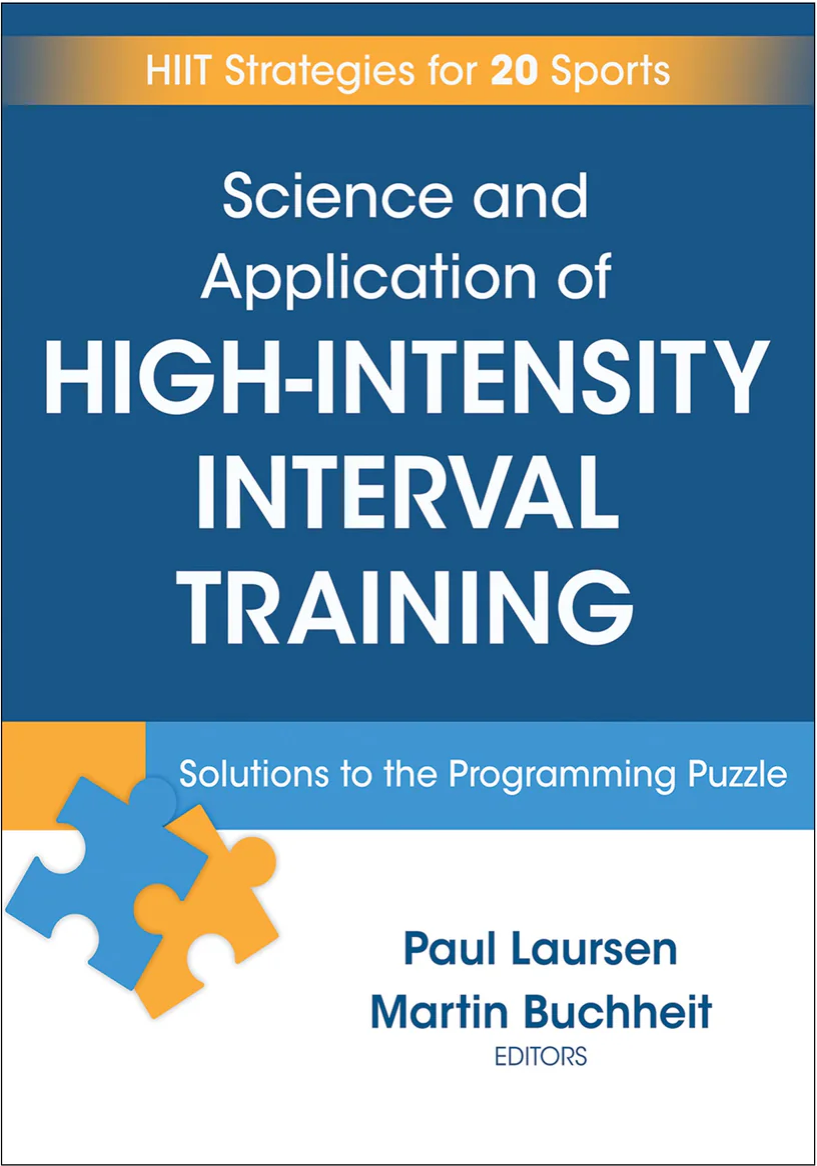
The book
Science and Application of High-Intensity Interval Training is the textbook Paul wrote with Martin Buchheit: the science of HIIT, plus chapters from coaches in 20 sports on how they use it.
Dr. Greg Wells is a human physiologist, five-time bestselling author, Senior Scientist Emeritus at SickKids and author of 70+ peer-reviewed papers.
This podcast contains advice and information relating to health and wellness. It should be used to supplement rather than replace the advice of your doctor or another trained health professional. If you know or suspect that you have a health problem, seek your physician’s advice before embarking on any medical program or treatment. All efforts have been made to assure the accuracy of the information contained in this podcast / interview / article as of the date of publication. The author and publisher disclaim liability for any medical or other outcomes that may occur as a result of applying the methods suggested in this material.
