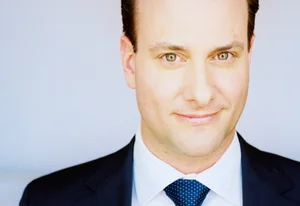
#60 - Navy SEAL Strategies to Stay Calm and Execute Under Pressure with Steven Drum
Today’s guest is Navy Seal Master Chief Steven Drum
Stephen is solving the “pressure gap”: the moment when stress hijacks focus and people react instead of respond—in leadership, business, and life—because they haven’t built a deliberate process to prepare for defining moments.
In today’s conversation Stephen Drum explores what it really means to “perform on the X”—the critical moment when everything is on the line and you don’t get a do-over. He breaks down the difference between reacting and responding, and why presence, rehearsal, and simple performance cues matter more than raw intensity. Stephen also shares how Stoic philosophy, mindfulness, performance psychology, and breathing practices help leaders stay steady in chaos.
You will learn how Navy SEAL teams prepare for “no-return” moments, and how to translate that into boardroom, relationship, and life pressure. You will learn practical tools to notice your stress signals early, pause, and choose a response that serves you. You will learn why confidence is earned through preparation (not “fake it till you make it”), and how to build a repeatable readiness process. You will learn simple breathing and mental rehearsal techniques that improve focus and composure fast.
You will discover that your mind and body often respond to a high-stakes presentation (slides failing, tough feedback, big pitch) with the same stress physiology as truly dangerous situations—and the solution is a trained, deliberate process, not willpower.
Stephen helps listeners solve the challenge of staying calm, clear, and decisive when pressure spikes—so they can execute effectively instead of getting pulled into fight/flight/freeze and regretful reactions.



Key take aways:
Identify your “X” moments before they happen.
Respond, don’t react—pause and choose deliberately.
Rehearse what “right” looks like under pressure.
Earn confidence through preparation and process.
Use slow breathing to lower arousal quickly.
Today’s Expert Guest is Navy SEAL Steven Drum
Stephen Drum is a combat-tested, retired U.S. Navy SEAL Master Chief leading and developing high-performance teams. He trained and led U.S. and partner special operations forces on high-risk missions globally, including combat operations in Iraq and Afghanistan, and he co-developed and taught the U.S. Navy’s Warrior Toughness training program to better prepare sailors and officers for acute operational stress.
Stephen’s work is built around helping leaders and teams **plan, prepare, and execute** when it matters most—what he calls performing “on the X.” His approach stands out because it’s not hype or bravado; it’s a practical, repeatable system that blends real-world operational lessons with tools like mindfulness, performance psychology, deliberate rehearsal, and stress regulation—so people can show up with courage, confidence, and readiness in defining moments.
One actionable takeaway from today’s conversation is to build your X-Moment Plan: write down your top 1–3 high-stakes moments (a hard conversation, a key presentation, a critical decision), then backward plan how you’ll prepare—your rehearsal, your self-talk cue, and a simple breathing routine you’ll use to stay present—so you can respond deliberately when pressure hits.
Follow Steven Drum on Instagram & Linked In.
Check out his website.
This podcast contains advice and information relating to health and wellness. It should be used to supplement rather than replace the advice of your doctor or another trained health professional. If you know or suspect that you have a health problem, seek your physician’s advice before embarking on any medical program or treatment. All efforts have been made to assure the accuracy of the information contained in this podcast / interview / article as of the date of publication. The author and publisher disclaim liability for any medical or other outcomes that may occur as a result of applying the methods suggested in this material.