

The Dr. Greg Wells Podcast



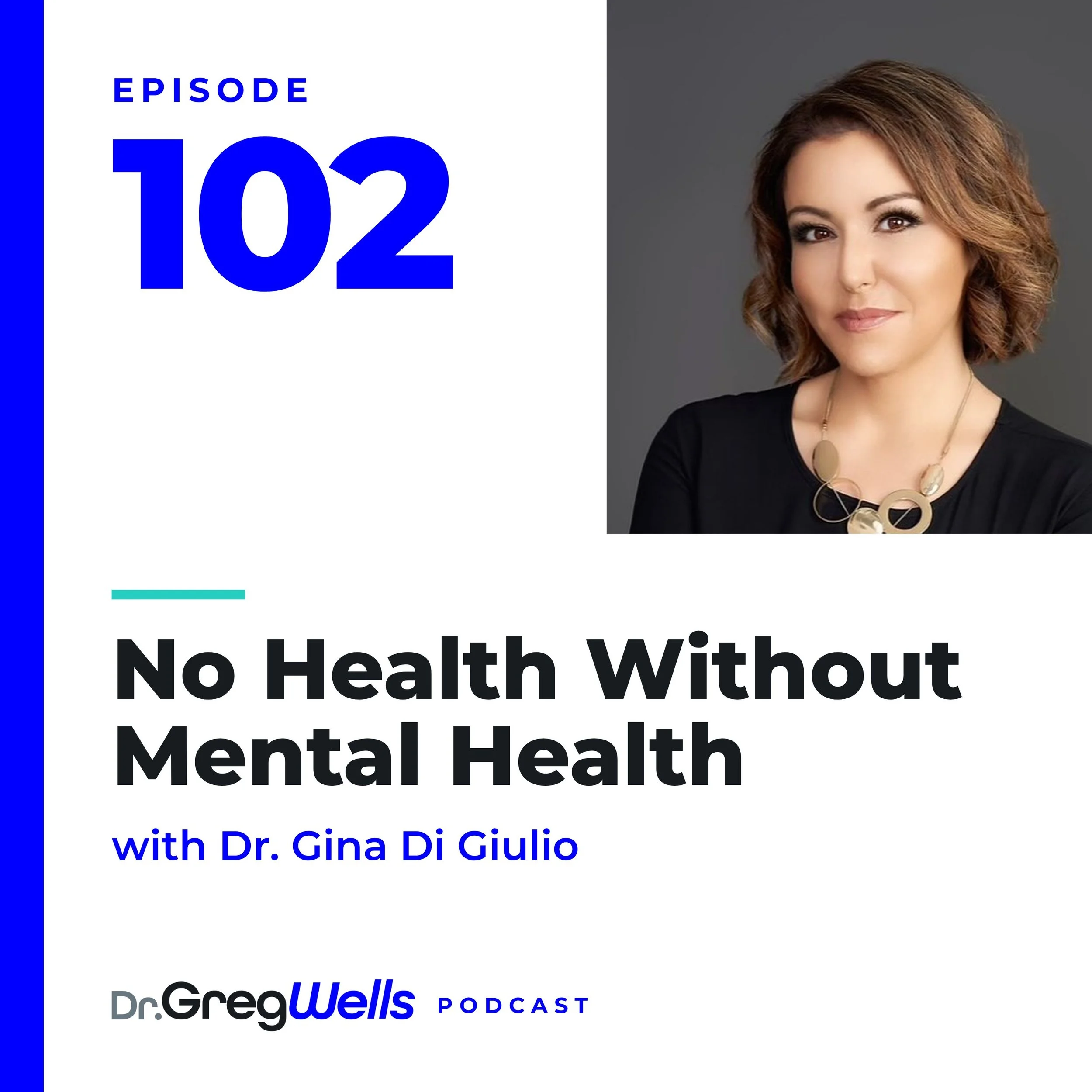
No Health Without Mental Health with Dr. Gina Di Giulio
During the pandemic, I set up a WhatsApp group with a few friends. Every time I finished a workout, I texted the group, and they did the same. We met up for bike rides, swims and paddleboard sessions, always outdoors. That social connection around exercise was invaluable for me. When I talked with clinical psychologist Dr. Gina Di Giulio about why, she gave me a line I circled ten times in my notes: action is the antidote of anxiety.
Gina’s approach to anxiety starts with one question: is this within my control? If it is, take one small action on it, because action interrupts the loop of worry and builds motivation as you go. Exercise is one of the most useful actions you can take for your mind. A large overview of systematic reviews in the British Journal of Sports Medicine found that physical activity reduced symptoms of depression, anxiety and psychological distress in adults, with medium effects compared with usual care. Gina’s guideline is at least 30 minutes of moderate cardio three times a week, and when you do it with friends, you add the protective effect of social connection.
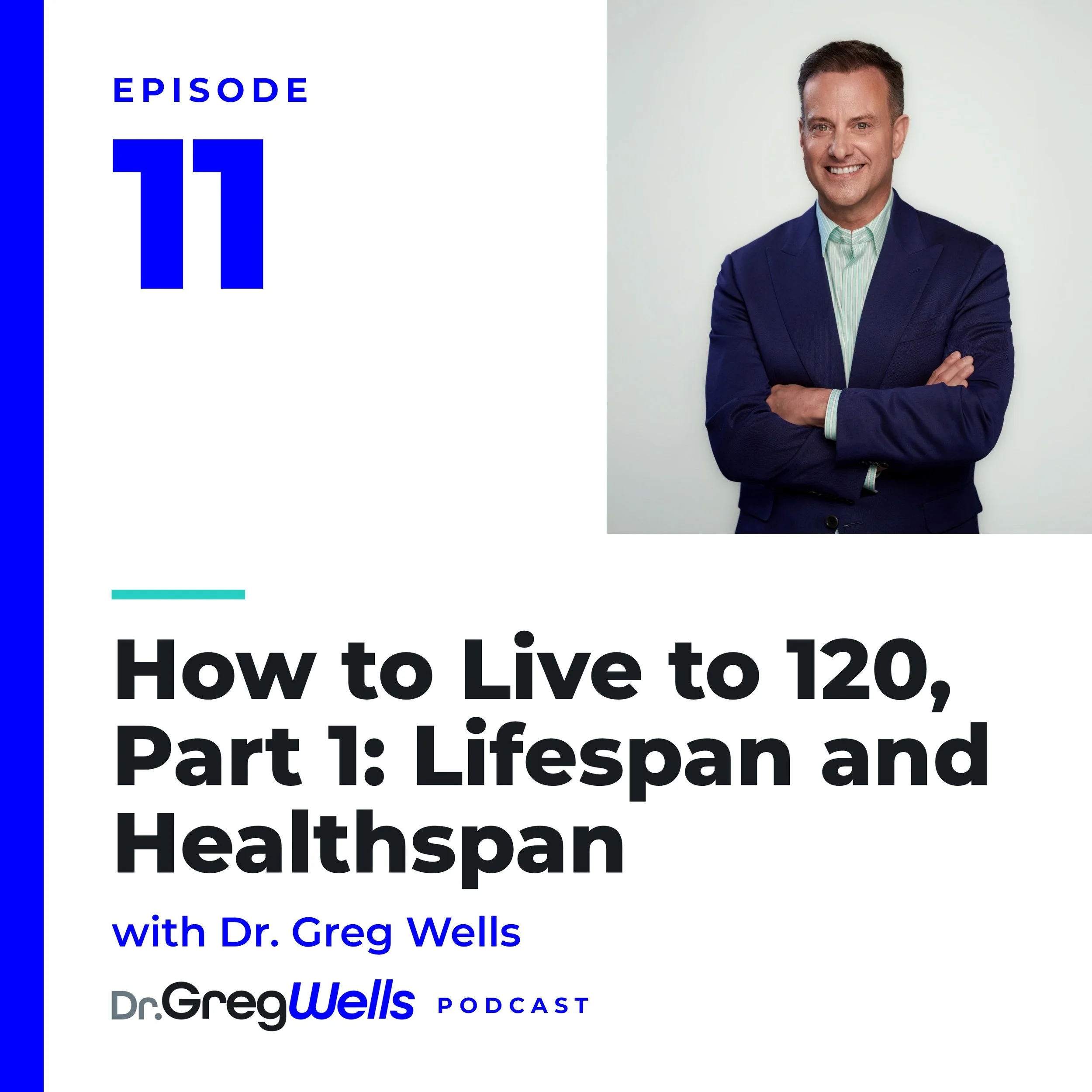
How to Live to 120, Part 1: Lifespan and Healthspan
For the five or six months before this talk, I swam in Lake Ontario with my friend Doug, right up until about three weeks before I flew out. If you have ever been in Lake Ontario, you know it is not warm. Swimming is what I grew up doing and what I competed in as an athlete. We would warm up, then sprint flat out, as hard as we could, in open water. People walking their dogs stopped to stare. Someone actually called the police on us once. Fortunately, Doug is a firefighter, and they left us alone.
Those sprints are one piece of a bigger plan. Living to 120 well takes two things: lifespan, the number of years you live, and healthspan, the number of those years you spend strong and able to do your best work. Aerobic exercise is your lifespan tool. In a study of more than 416,000 adults in Taiwan, people who exercised for just 15 minutes a day had a 14% lower risk of dying from any cause and lived about three years longer than people who were inactive (Wen et al., 2011). The benefit reaches all the way into your DNA. Researchers at the University of Colorado found that older endurance-trained adults had telomeres, the protective caps on the ends of your chromosomes, about 900 base pairs longer than sedentary people their age (LaRocca, Seals and Pierce, 2010). Strength training builds your healthspan by keeping your muscles strong as you age, and short, fast efforts challenge your body in a way steady exercise does not. Sleep is the foundation that lets your body repair from all of it.