

The Dr. Greg Wells Podcast



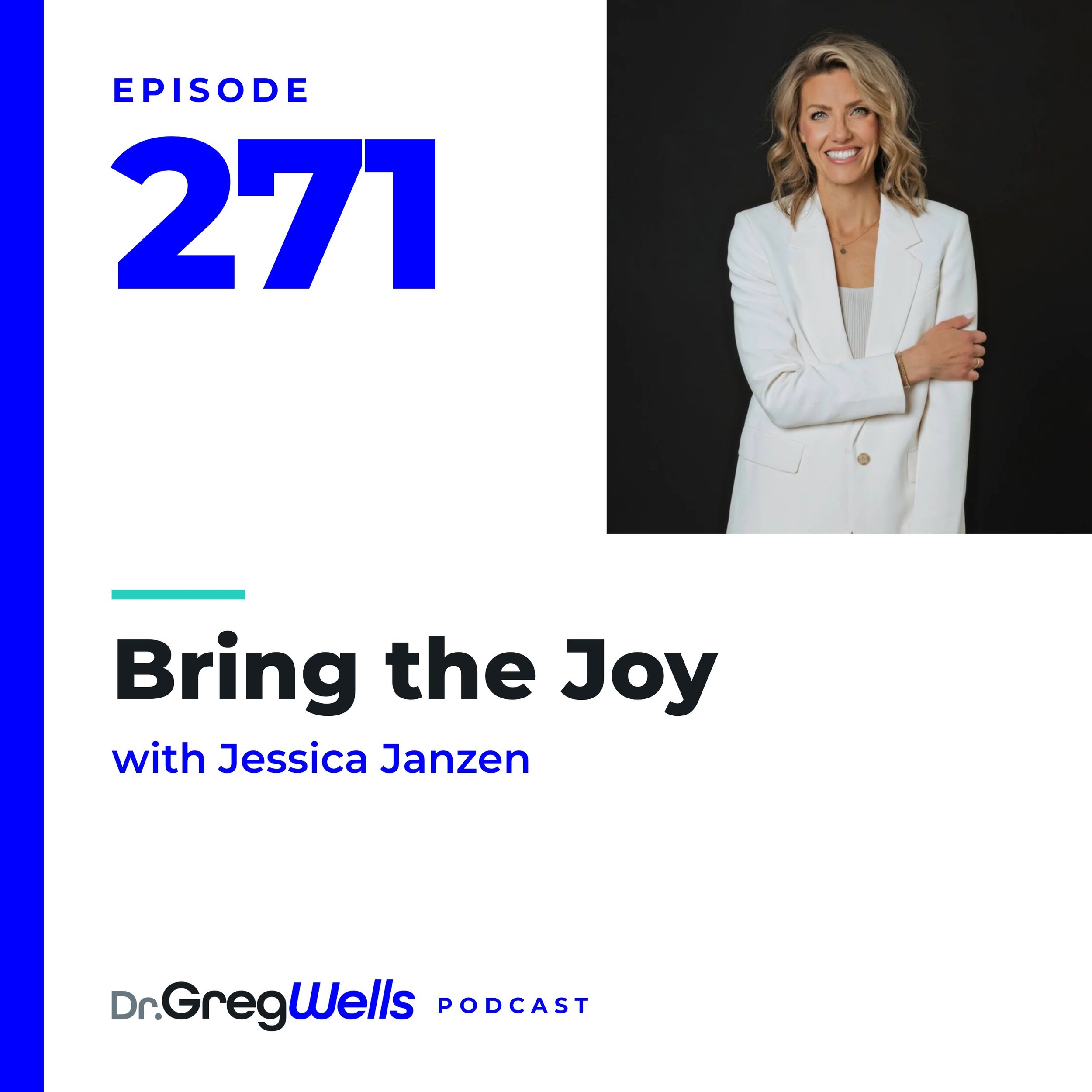
Bring the Joy with Jessica Janzen
Jessica Janzen was walking the track behind Alberta Children’s Hospital, looking west to the mountains, after doctors told her that her son Lewiston had spinal muscular atrophy and would not reach his first birthday. She turned to her husband and said, “Babe, let’s just bring the joy.” Jessica is a keynote speaker, mindset coach and the bestselling author of Bring the Joy. In this conversation we talk about radical acceptance, the hard work of joy, and how you can set the tone in any room you walk into.
What struck me most is where Jessica lands: joy rests on the same basics as performance. When you fuel your brain well, move your body and choose what you watch and who you spend time with, your brain is better equipped to test a dark thought against the evidence and let it go. That gives you room to decide how you show up, even on the hardest day.

Why I’m Doing The Great World Race
I recorded this episode on a steep mountain trail with my dog Luna, breathing hard, because training had taken over my life. My daughter and I had signed up for The Great World Race: seven marathons on seven continents in one week. Here I explain why: years of stubborn injuries for both of us, a winter spent rebuilding from scratch, and a dinner-table moment when my daughter said she wanted to do something so hard that finishing it would prove she could do anything.
The physiology is the part I care about most. We stopped all cardio, went back to yoga, strength and rehab twice a day, and let our tissues adapt before asking anything big of them. It took about seven months before we could even think about real training. When you build that foundation first, your body becomes ready for loads it could not have handled a few months earlier.
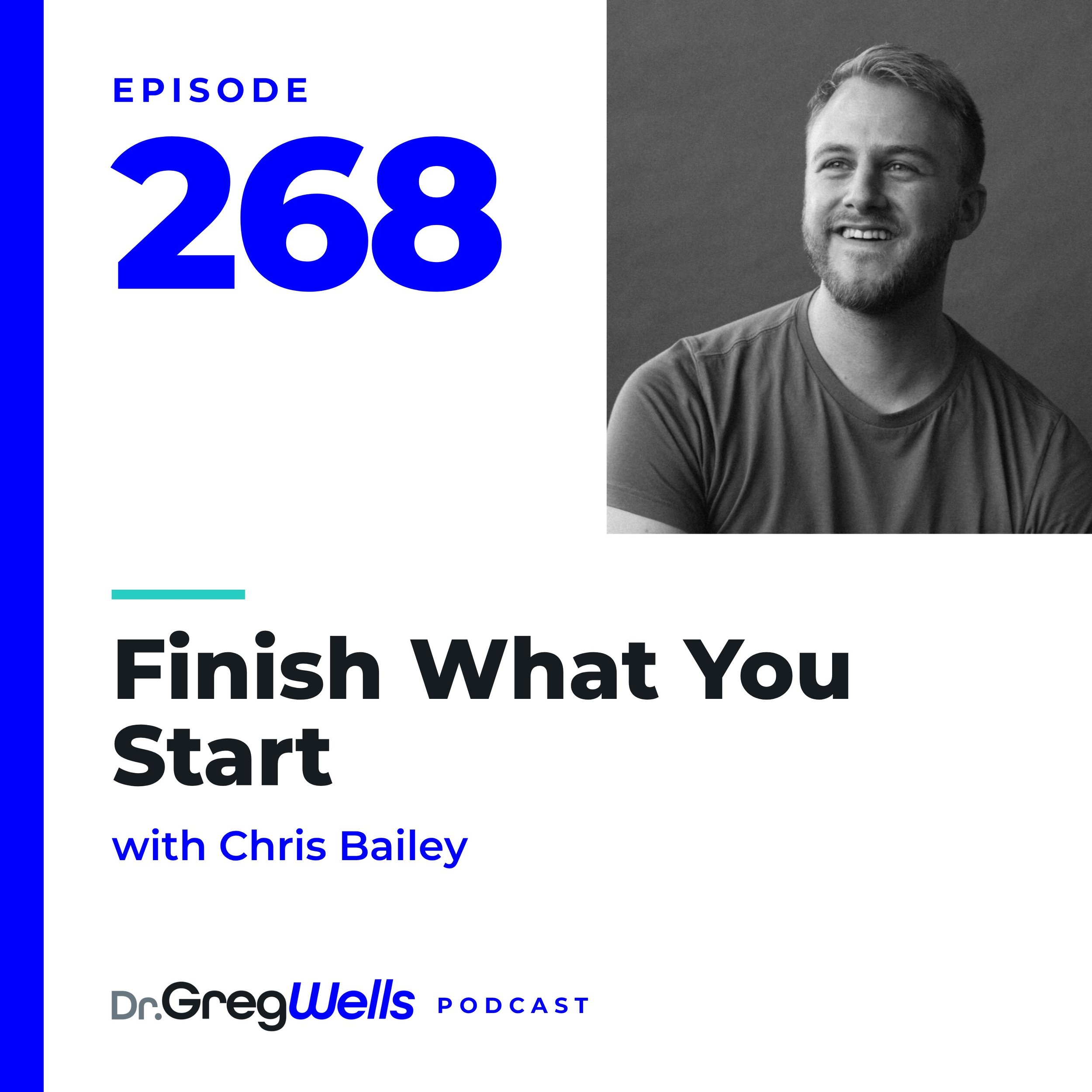
Finish What You Start with Chris Bailey
I have never liked core workouts, even though my back needs them. Then my daughter, rehabbing an injury at home, asked me to do her core sessions with her, and now I do every one. Chris Bailey explains why that works. Chris is the bestselling author of Intentional, and in this conversation he takes us through the research on values, goals and procrastination, and the daily rituals that help you finish what you start.
When a goal lines up with what you value, it feels less aversive, and aversion is what drives procrastination. Chris points to six triggers that make a task feel aversive: boring, frustrating, unpleasant, far off, unstructured and meaningless. When you know which ones a goal sets off, you can edit it, add structure and connect it to what matters to you, so your daily actions carry your values forward.
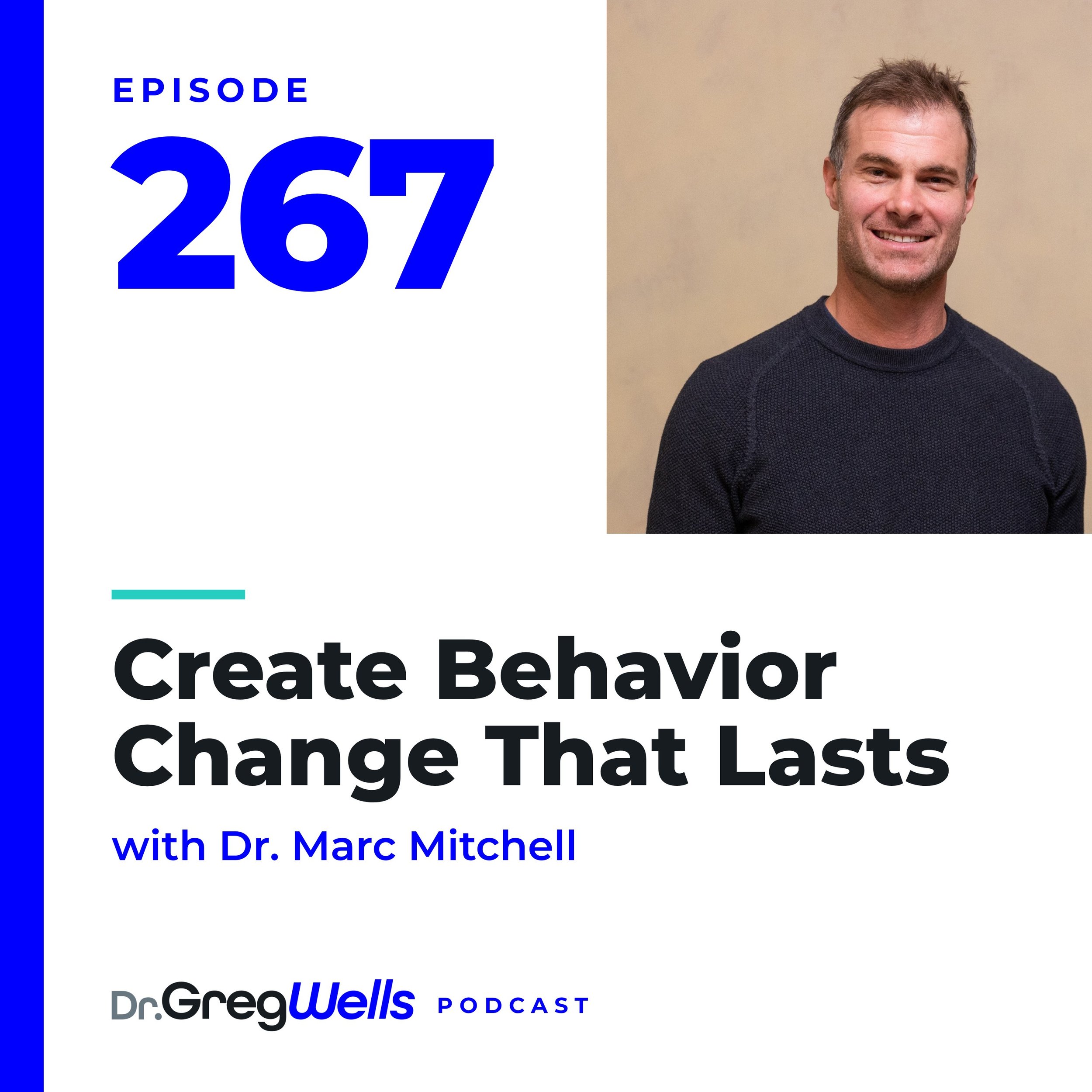
Create Behavior Change That Lasts with Dr. Marc Mitchell
Marc Mitchell has worked with cardiac rehab patients who had literally flatlined, and many of them still struggled to change how they lived. A former CFL player with the Calgary Stampeders and now a kinesiology professor at Western University, Marc studies why change is so hard and how small, well-designed nudges can make it stick. In this conversation we walk through his step-by-step approach, from choosing one behavior to finding the reason that carries you through a cold, dark morning.
My own theory is physiological: every change you face triggers a stress response that costs energy, and when you are already tired, you have little left to spend. Marc’s approach respects that. When you pick the change you feel most confident about and aim just above your own average, you spend less energy on each decision, build confidence faster and give the new habit a real chance to last.
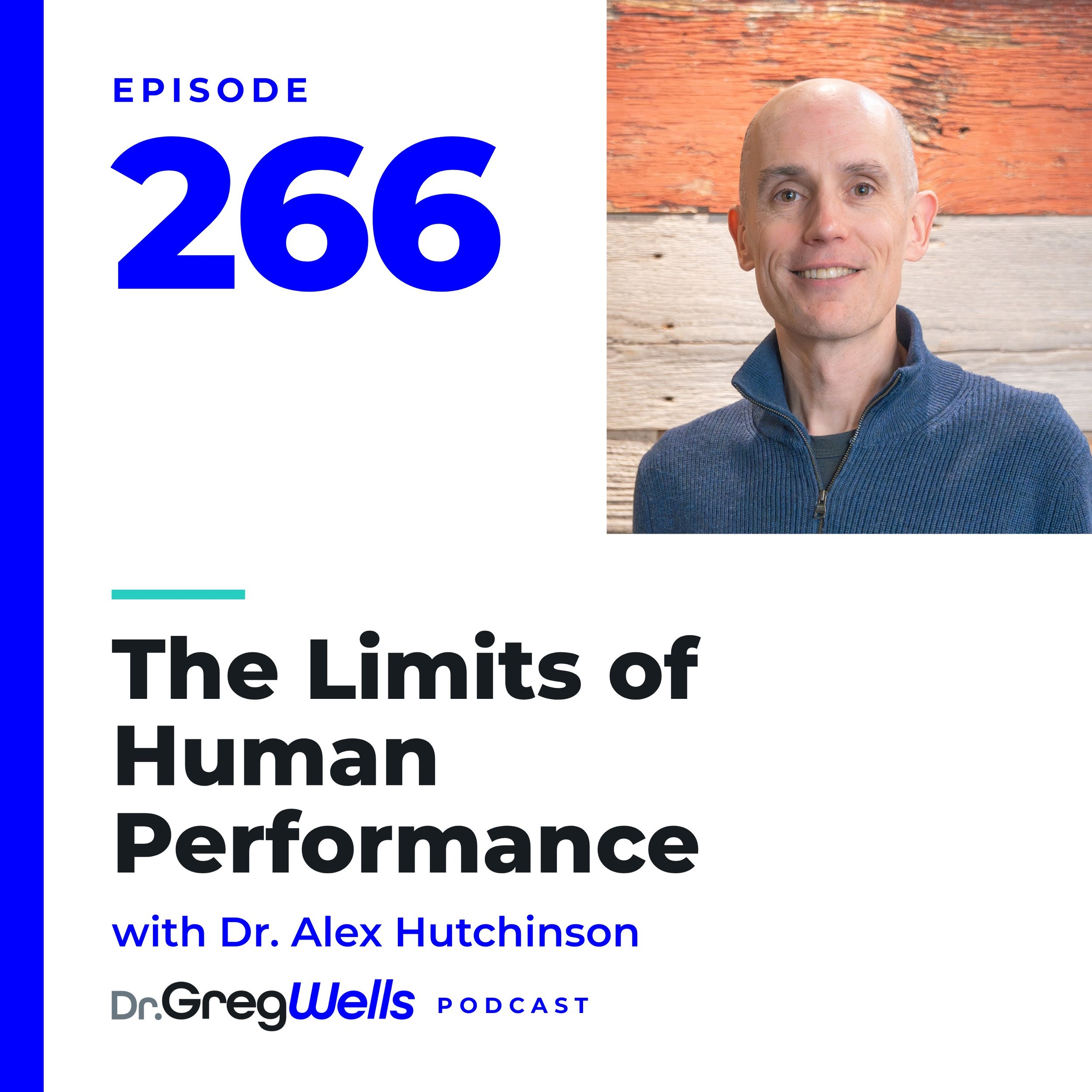
The Limits of Human Performance with Dr. Alex Hutchinson
On whitewater trips with his friends, Alex Hutchinson is often the most experienced canoeist in the group, and the most likely to say he will portage around the rapid. He loves the unknown and has no desire to drown. Alex is a science journalist, a former national team runner and the author of Endure and The Explorer’s Gene. In this conversation we explore what really limits your performance, why you crave hard things, and how to find adventure close to home.
The physiology is fascinating. Your brain folds fuel, core temperature, mental fatigue and even your self-talk into one feeling of effort, and that feeling decides whether you push on or back off. When you change any of those inputs, from a swig of sports drink to the words you tell yourself eight reps into a ten-rep set, you change what you can do.

How Screens Are Changing Our Relationships with Jake Ernst
In 2019, soon after he opened his clinic in Toronto, Jake Ernst walked a distractible nine-year-old boy back out to the waiting room. The boy’s mom sat at the table with a baby on her lap and a smartphone in her hand, and nearby a girl of about two was bent over a magazine, swiping at the page as if it were an iPad. That moment changed how Jake works: he stopped treating one child and started working with the whole family. Jake is a registered social worker and psychotherapist, and his core message is that today’s parents are co-parenting with the internet.
As a physiologist, I was struck by how directly this shows up in the brain. When you spend hours inside an algorithm, you use your prefrontal cortex less, the region you rely on for planning, empathy and good decisions, and your reactions shift toward faster, more emotional circuits deeper in the brain. Jake makes the case that kids and adults rebuild those skills through co-regulation, the steadying that happens when you spend real time with calm, present people.