

The Dr. Greg Wells Podcast



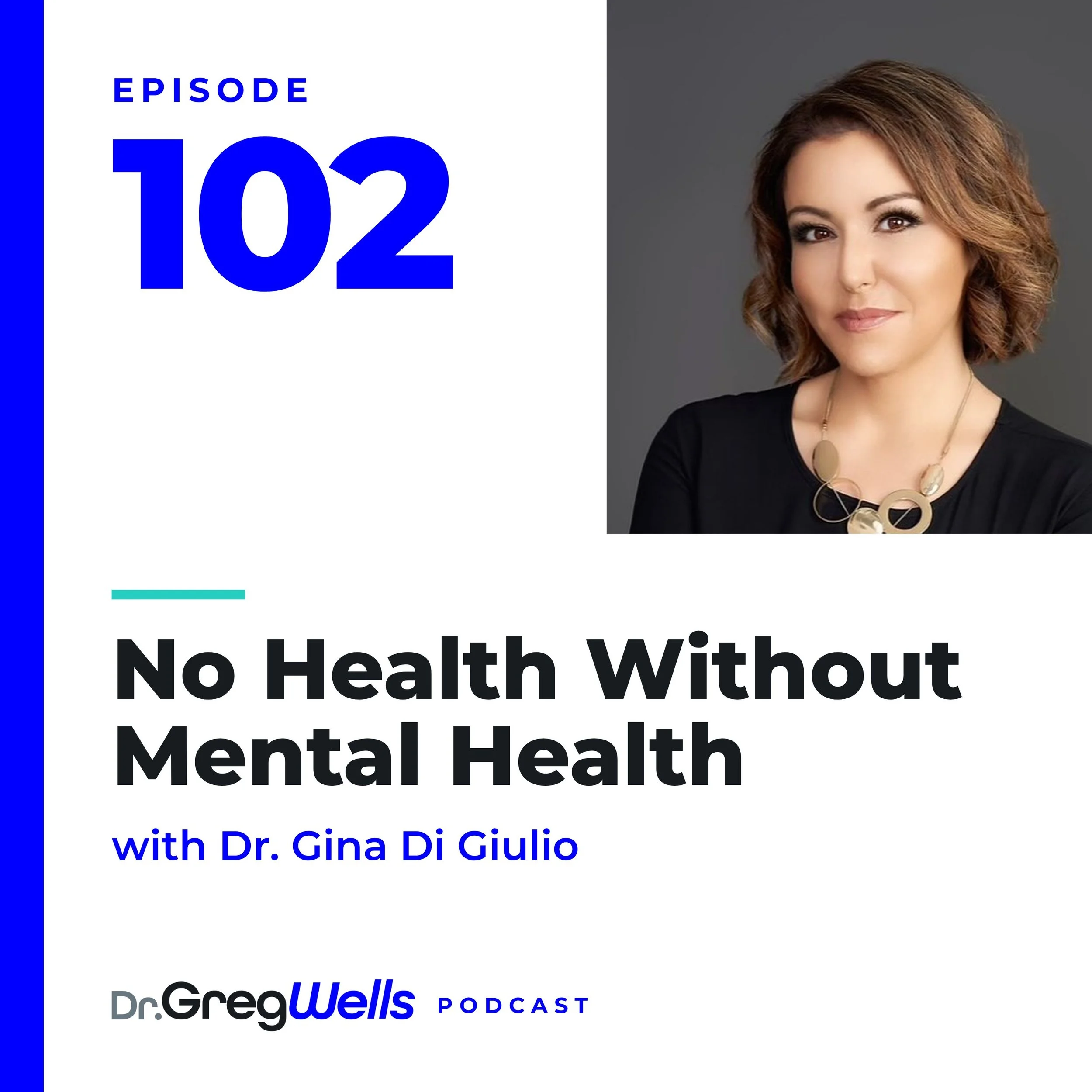
No Health Without Mental Health with Dr. Gina Di Giulio
During the pandemic, I set up a WhatsApp group with a few friends. Every time I finished a workout, I texted the group, and they did the same. We met up for bike rides, swims and paddleboard sessions, always outdoors. That social connection around exercise was invaluable for me. When I talked with clinical psychologist Dr. Gina Di Giulio about why, she gave me a line I circled ten times in my notes: action is the antidote of anxiety.
Gina’s approach to anxiety starts with one question: is this within my control? If it is, take one small action on it, because action interrupts the loop of worry and builds motivation as you go. Exercise is one of the most useful actions you can take for your mind. A large overview of systematic reviews in the British Journal of Sports Medicine found that physical activity reduced symptoms of depression, anxiety and psychological distress in adults, with medium effects compared with usual care. Gina’s guideline is at least 30 minutes of moderate cardio three times a week, and when you do it with friends, you add the protective effect of social connection.
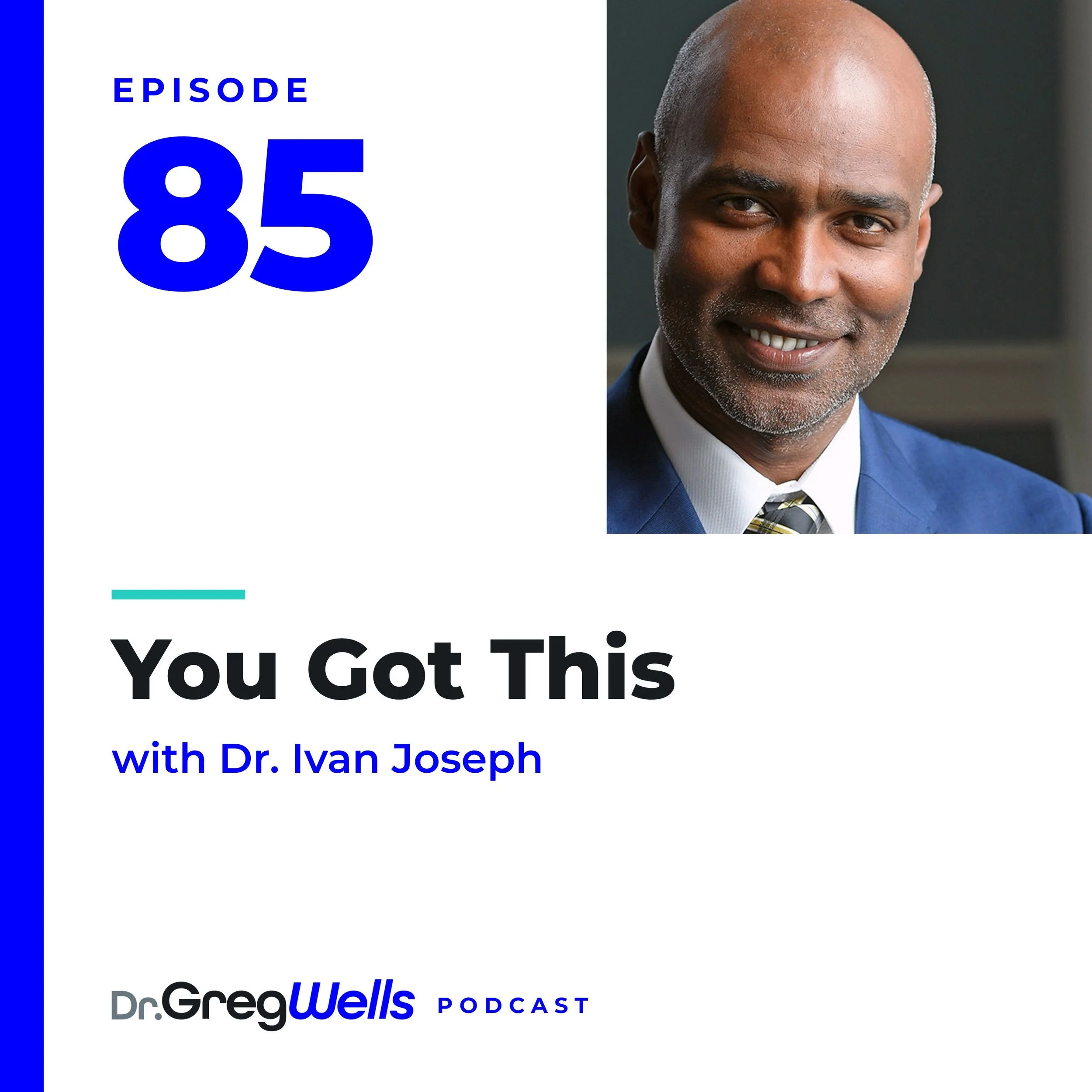
You Got This with Dr. Ivan Joseph
After I broke my neck as a teenager, people told me I would not swim again. I swam again. Years later, partway through an endocrinology course in my master’s degree, my professor sat me down and told me I clearly was not cut out for it and should probably drop the course. I refused. The next six weeks were awful, but I passed, finished my master’s and went on to complete my PhD. Dr. Ivan Joseph, a sport psychologist, award-winning coach and university leader, has spent his career studying what carries you through moments like those.
Ivan defines self-confidence as the genuine belief in your ability to accomplish the task in front of you, and he treats it as a skill you build through repetition, persistence and the way you talk to yourself. One of his tools is a letter to yourself: when he wanted to quit a job, he wrote down everything he had accomplished and read it whenever he doubted himself. Writing to others helps too. In a randomized, placebo-controlled study, Martin Seligman’s team found that writing a letter of gratitude and delivering it in person produced the largest increase in happiness of any exercise they tested, with benefits that lasted about a month. When you put your evidence on paper, you give yourself something concrete to believe the next time doubt shows up.
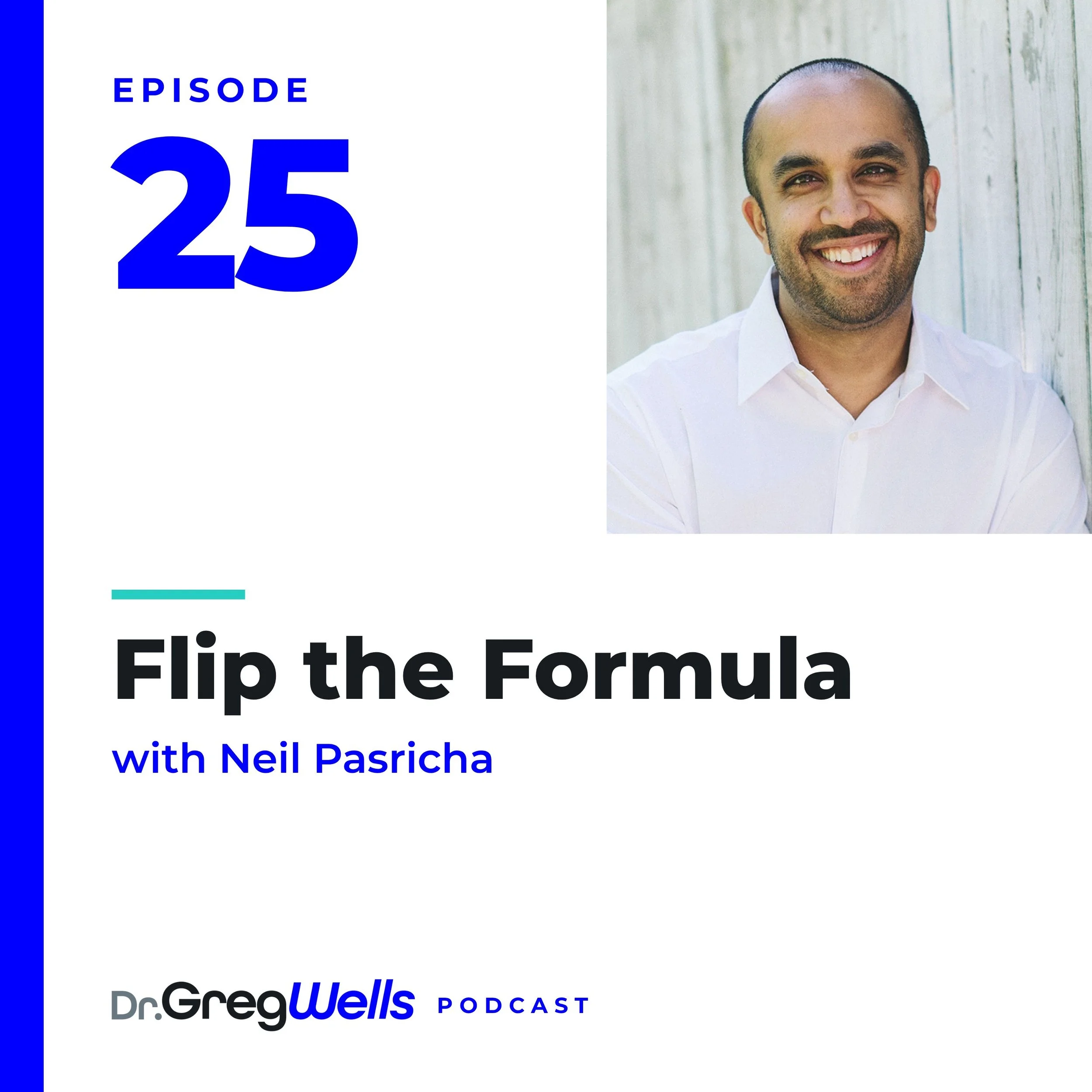
Flip the Formula with Neil Pasricha
Neil Pasricha was a best-selling author who barely read. He finished maybe five books a year, until his wife asked him how an author could not read. After three weeks with no news on their honeymoon, the world seemed loud when they got home. So he canceled his magazine and newspaper subscriptions, installed a bookshelf right beside his front door where he had to walk past it every day, canceled cable and moved the TV to the basement. That year he read 50 books. The year after, he read 100, and he says reading has made him a better dad and husband, with more compassion and empathy.
Neil’s bigger idea is that most of us were taught the formula backwards: work hard, succeed, then be happy. He flips it, so happiness comes first and the great work and success follow. The research backs him. Sonja Lyubomirsky, Laura King and Ed Diener combined 225 papers covering more than 275,000 people and found that happiness is associated with, and often comes before, many kinds of success, from fulfilling work to satisfying relationships. When you feel positive emotions often, you are more likely to work actively toward new goals and build new resources, which sets up the success you might have been waiting for before you let yourself be happy.
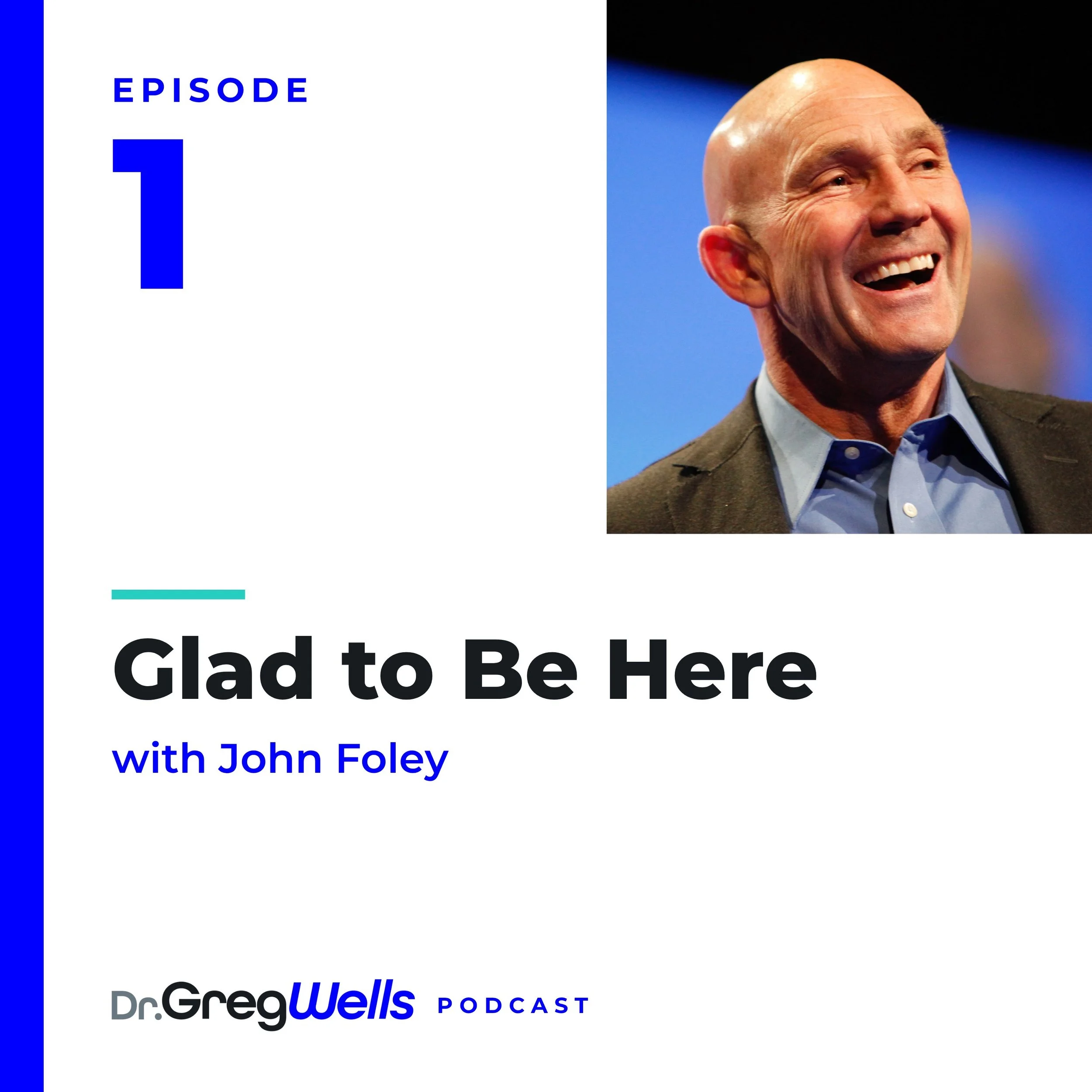
Glad to Be Here with John Foley
When John Foley was learning to fly as a Blue Angels solo pilot, his mentor gave him a checkpoint for the two-mile mark of a maneuver: the northeast corner of a three-story white house, the upper window with the green shade. John thought it was impossible. He would be upside down at 400 knots, and that house sat among a cluster of other white houses. With repetition, he learned to pick out the green shade every time he flew past. As John puts it, you can see that kind of detail at speed when you know exactly what you are looking for. Without the preparation, everything is a blur.
John and his teammates rehearsed every maneuver before they flew it. On the ground, the boss talked the team through the routine in the same cadence and tone they would hear in the air, so the whole team visualized the flight together. The research supports what they were doing. A meta-analysis of mental practice, the cognitive rehearsal of a task before you perform it, found that it has a positive and significant effect on your performance (Driskell, Copper and Moran, 1994). The Blue Angels close the loop with a debrief after every flight. When researchers pooled studies of teams and individuals, well-run debriefs improved performance by about 20 to 25 percent on average (Tannenbaum and Cerasoli, 2013).