

The Dr. Greg Wells Podcast



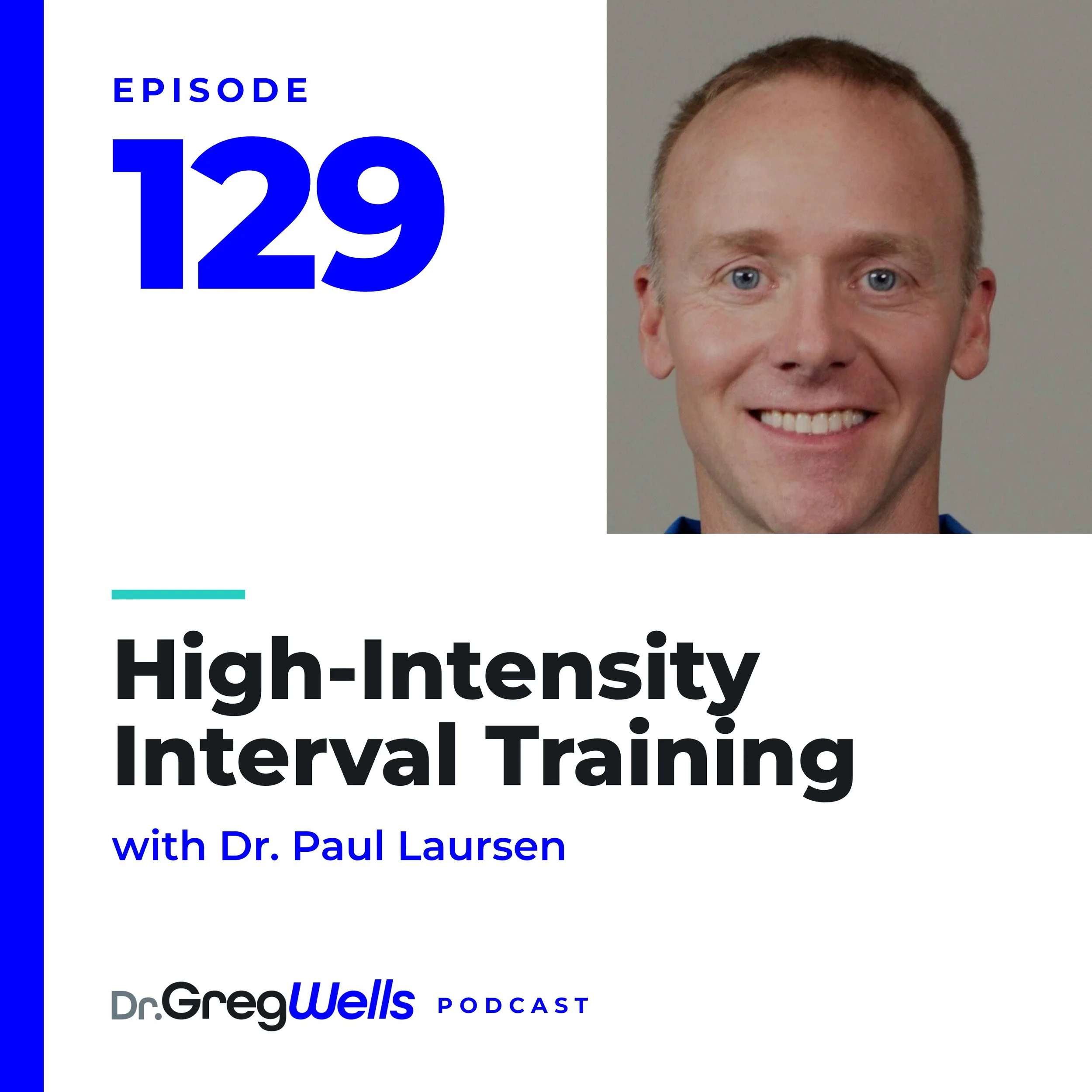
High-Intensity Interval Training with Dr. Paul Laursen
When I started working with the canoe kayak team, I sat on the dock in Florida for three weeks before anyone asked for my opinion. Research only helps an athlete when it fits that athlete’s world, and Dr. Paul Laursen learned the same lesson as Physiology Manager for High Performance Sport New Zealand through the London and Rio Olympic cycles. Paul co-wrote the textbook on high-intensity interval training, and in this conversation he shows you how to choose your intervals, recover between them and fuel for long events.
HIIT takes you above your critical power, where you recruit the large fast-twitch muscle fibres that walking and easy running never reach. When those fibres recover, they build more mitochondria, and the stretch on your heart increases the blood it pumps with each beat, so your VO2 max climbs. The details decide how much of that you get, and Paul makes them simple enough to use this week.
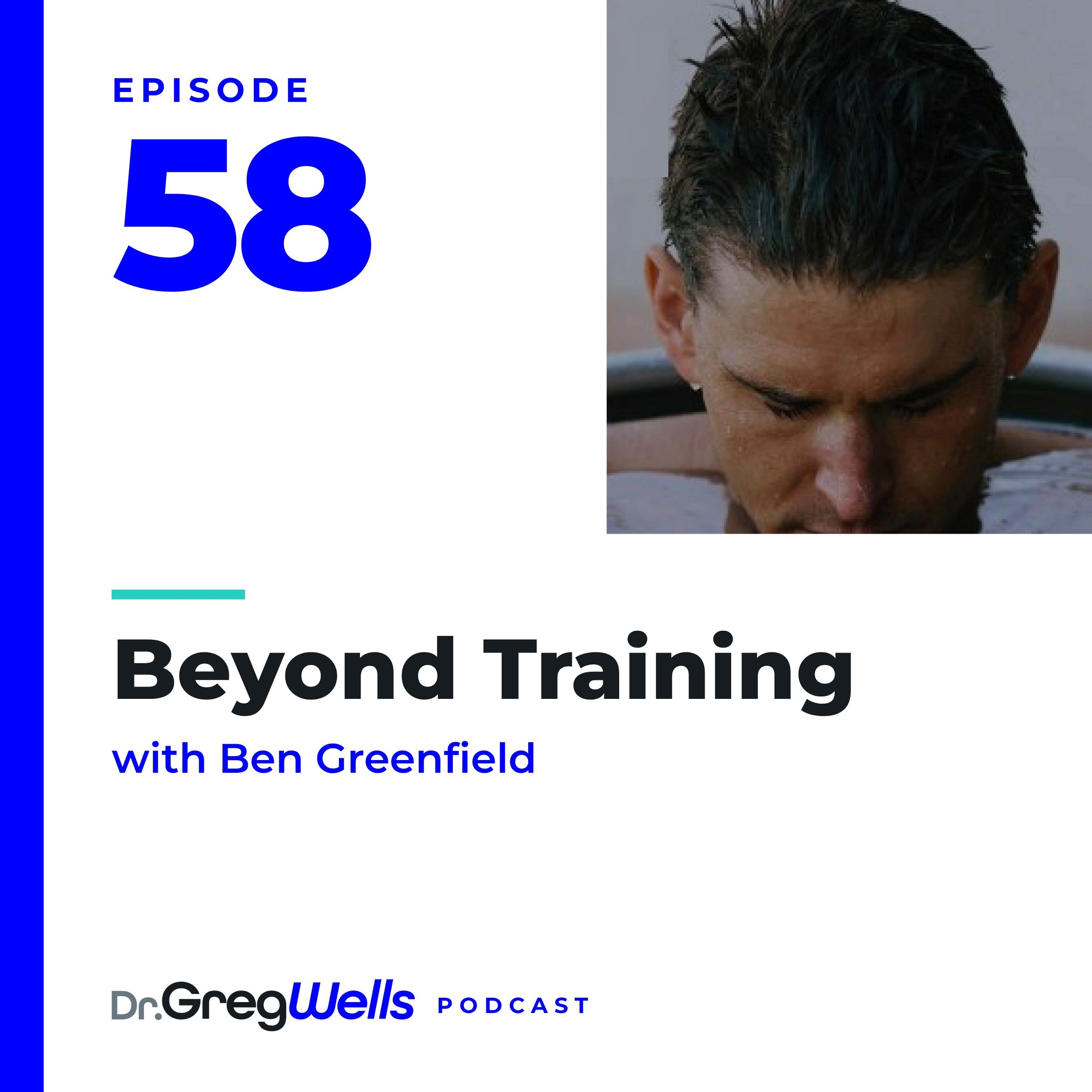
Beyond Training with Ben Greenfield
I finished my Ironman, and I’m glad I did it, but it was always hard for me. With my background as a swimmer, my body responds best to power, speed and explosive training, and when I went back to more of that work, I trained better and more efficiently. Ben Greenfield has raced 13 Ironman triathlons, and when we spoke he told me he had gotten them out of his system. He now builds his week around a simple structure: easy movement in the morning, hard training later in the day and a handful of sessions that each train a different part of your fitness.
One of those sessions is five all-out 30-second efforts on a bike with four minutes of easy recovery between them, and that format comes straight from the lab. When Martin Gibala’s team at McMaster University had recreationally active people do four to seven 30-second sprints with four minutes of recovery, six sessions over two weeks raised the oxidative capacity of their muscle by 38% and doubled how long they could ride at a hard aerobic pace. When you push that hard, even briefly, you stress your muscle’s energy systems enough that it responds by building more capacity to make energy aerobically. Ben pairs this with longer four-to-six-minute intervals for VO2 max, one hard lactic session, one long endurance effort, and strength and mobility work.