

The Dr. Greg Wells Podcast



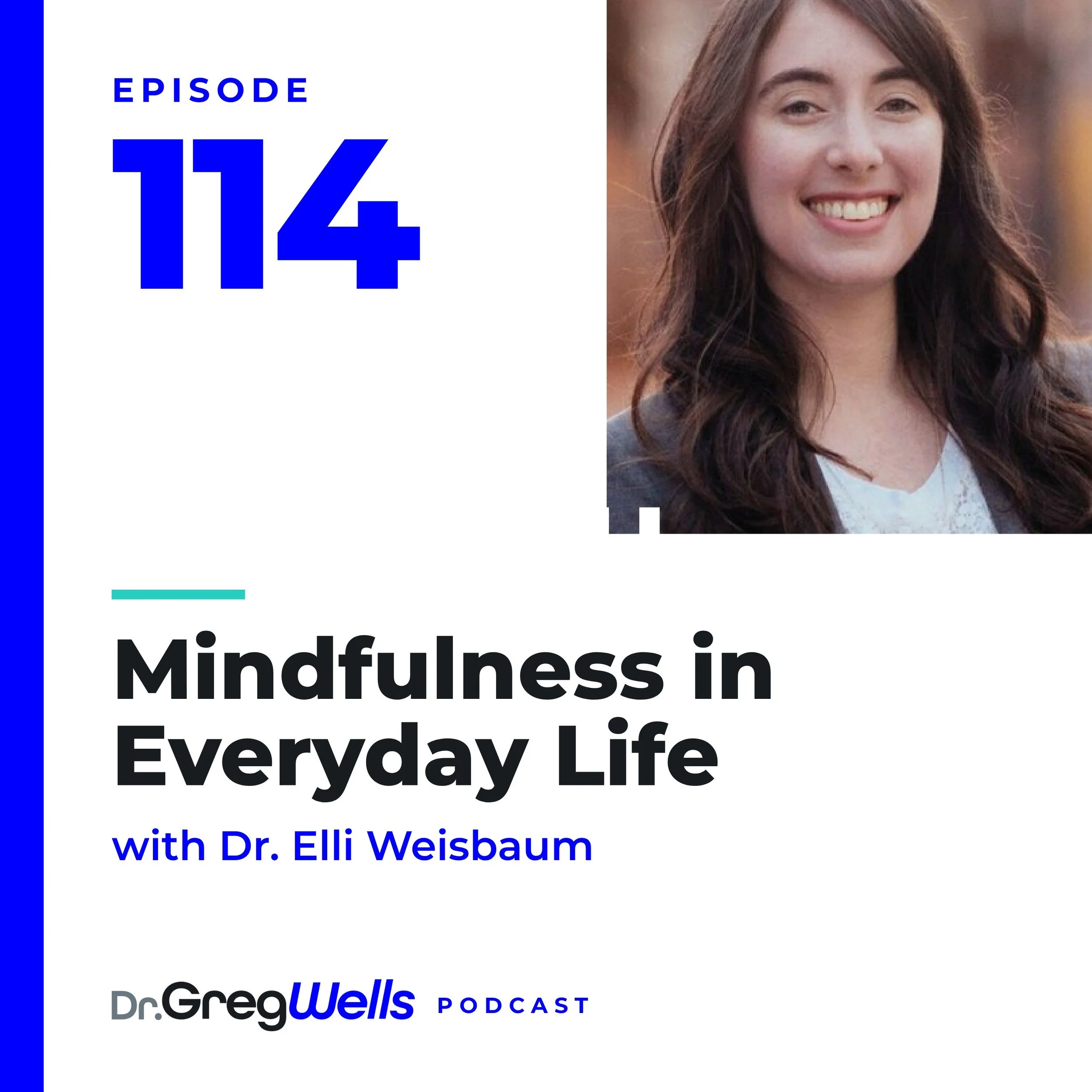
Mindfulness in Everyday Life with Dr. Elli Weisbaum
Not long before I recorded this conversation, my son was sitting next to me on the couch reading a book. It was one of those quiet parenting moments, and I tried to take in every detail so I would remember it five or ten years from now. For me, that is mindfulness. Dr. Elli Weisbaum, who attended her first mindfulness retreat with Thich Nhat Hanh at the age of 10 and now researches mindfulness in healthcare, shows how to turn everyday moments like that into practice.
Your brain has a default mode network, a set of regions that switch on when you are not focused on a task and let your mind wander, often scanning for problems. Mindfulness asks you to pay attention to what is happening inside and around you with kindness and curiosity, then gently come back when your mind drifts. Each return is a repetition. As Elli puts it, where attention goes, neural firing flows and connections grow, and over time those repetitions change the structure and function of your brain.
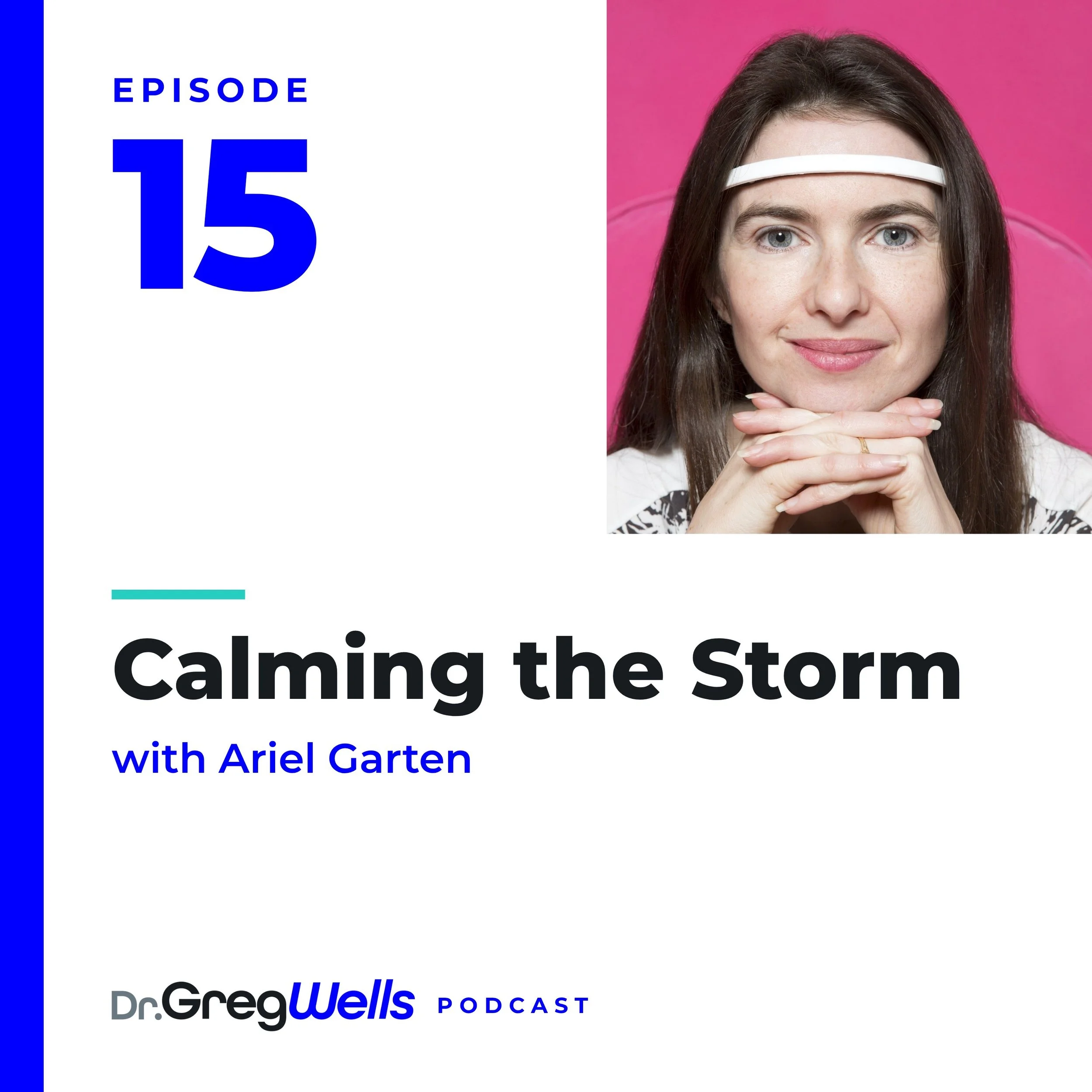
Calming the Storm with Ariel Garten
At the Vancouver 2010 Winter Olympics, Ariel Garten and her co-founders built an installation that let visitors control the lights on Toronto’s CN Tower, Niagara Falls and the Parliament buildings in Ottawa using only their brain activity, thousands of kilometres away. On the last night of the Games, Ariel’s parents drove to Niagara Falls. She sat down in the installation, looked up at the live feed and, one by one, turned the lights on the Falls pink for her mom. Years later, a concussion gave her a very different lesson in her own brain. She found that meeting each new symptom with curiosity, instead of anxiety, kept her out of the stress spiral that made everything harder.
Ariel’s favourite tool for nerves before a talk is to reinterpret the feeling. The rising energy in your body before you walk on stage can be read as nervousness or as excitement. Alison Wood Brooks at Harvard Business School tested exactly this. People who said “I am excited” before singing karaoke, giving a speech or doing difficult math performed better than people who tried to calm down, and they felt more excited. Anxiety and excitement are both high-arousal states, so it is easier to move from one to the other than to force yourself all the way down to calm. When you name the feeling as excitement, you shift toward an opportunity mindset, which lets you channel that energy into the performance.
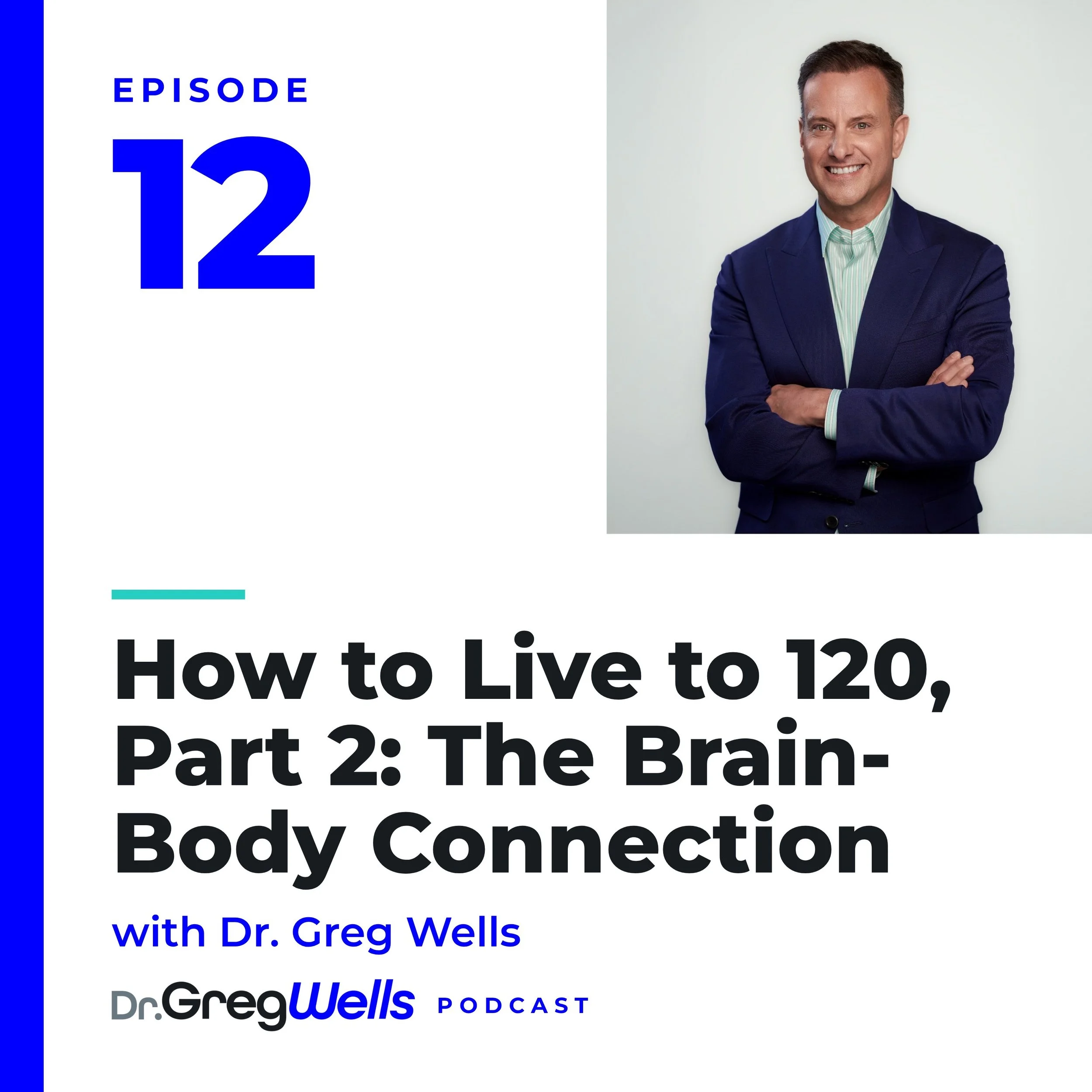
How to Live to 120, Part 2: The Brain-Body Connection
One of my favourite clips to show an audience comes from a training session with Adam van Koeverden, the Olympic champion kayaker I worked with as a physiologist, filmed shortly before an Olympic Games. Adam is paddling flat out beside another elite paddler. The other athlete grips his paddle hard and his face is locked in a grimace. Adam’s hands are loose and his face is calm, and in the instant before his blade catches the water on every stroke, his whole body relaxes. Both of them are working at the same intensity. Only one of them is wasting energy.
I call what Adam does moving meditation, and it shows how tightly your brain and body are wired together. Signals travel both ways along your spinal cord all day, so the way you move shapes the way you think, and the way you focus shapes the way you move. Researchers at Rutgers University put this to work in a program called MAP training: 30 minutes of focused-attention meditation followed by 30 minutes of aerobic exercise, twice a week for eight weeks. People with major depressive disorder reported significantly fewer depressive symptoms and less rumination afterward (Alderman et al., 2016). Meditation changes your brain’s structure too. After an eight-week mindfulness program, people showed increases in grey matter concentration in the hippocampus, a region central to learning and memory (Hölzel et al., 2011).
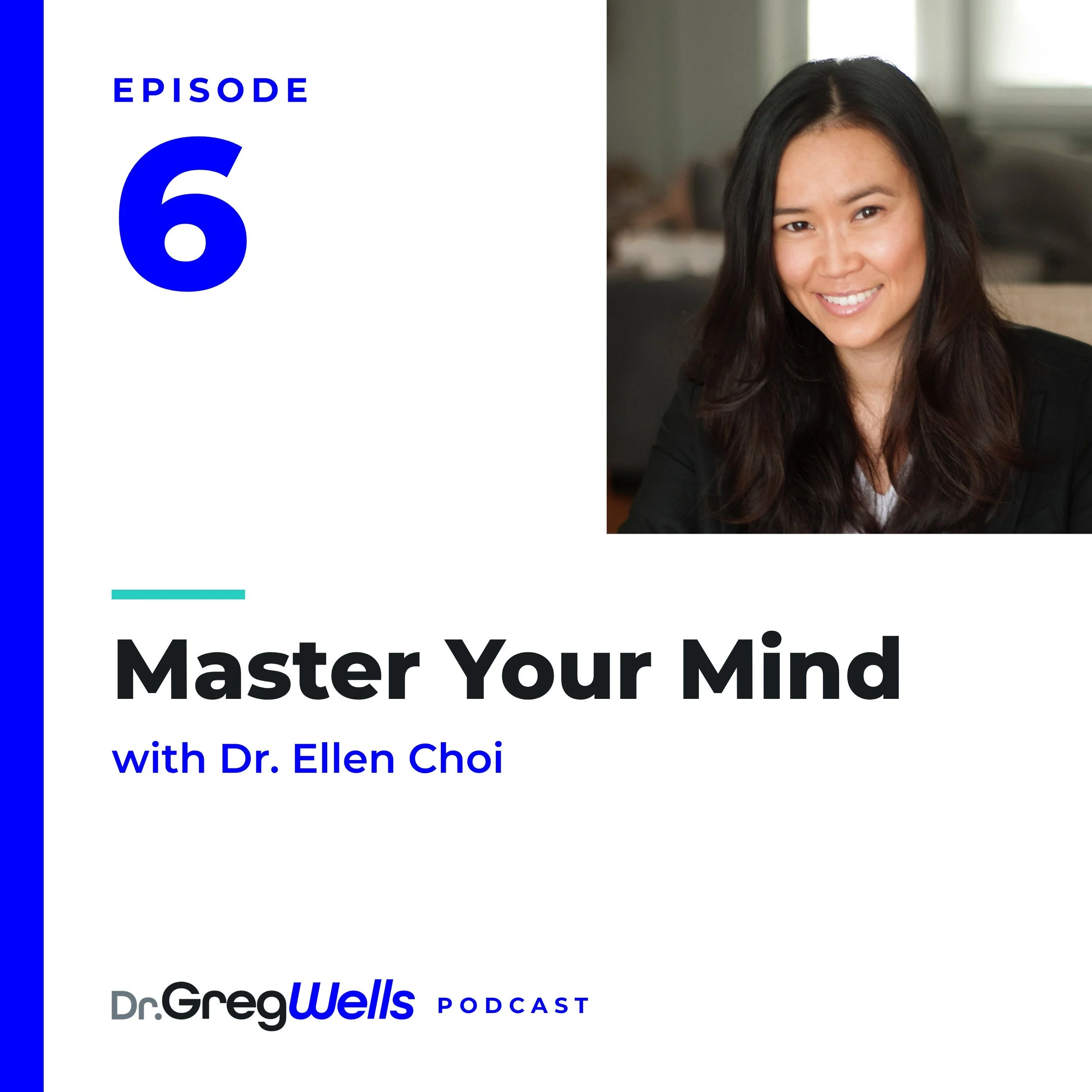
Master Your Mind with Dr. Ellen Choi
For her PhD, Ellen Choi took mindfulness into a hospital, a place where an unreported mistake can hurt a patient. Staff did an eight-week mindfulness program, an eight-week Pilates program or no training at all, and Ellen studied how they responded when they realized they had made an error. She expected the story to be about attention. What came through in her interviews was emotion. The usual inner voice after a mistake is harsh and fearful: how could I be so stupid, and what will they think of me? People who had trained in mindfulness spoke to themselves in a more human way. They could acknowledge that the mistake was frustrating and that everybody makes them, which left them free to stay with the error, report it and learn from it.
Ellen describes two ways your brain refers to itself. In the default mode, your mind drifts into the past or the future, stays focused on you and tends to be critical. In the experiential mode, your attention rests on what your senses are taking in right now, the way a hockey player in flow feels the stick and reads the ice. Researchers in Toronto saw this split in the brain. After an eight-week mindfulness course, people who focused on present-moment experience showed larger reductions in the midline regions tied to narrative self-talk and more activity in regions that track body sensation (Farb et al., 2007). The kinder inner voice pays off too. In experiments at UC Berkeley, people encouraged to treat a failed test with self-compassion spent more time studying for the next one than people given a self-esteem boost (Breines and Chen, 2012).