
Topic:
LEARNING
Learning, Planning and Strategic Thinking
Featured Articles on Learning and Metacognition






1% Tips and Micro Wins


Cramming doesn't work and science proves it. Your brain learns through repetition, emotional engagement, retrieval practice, and sleep. Spaced learning + stories = stronger memories. Stop grinding late nights. Sleep is when learning sticks.
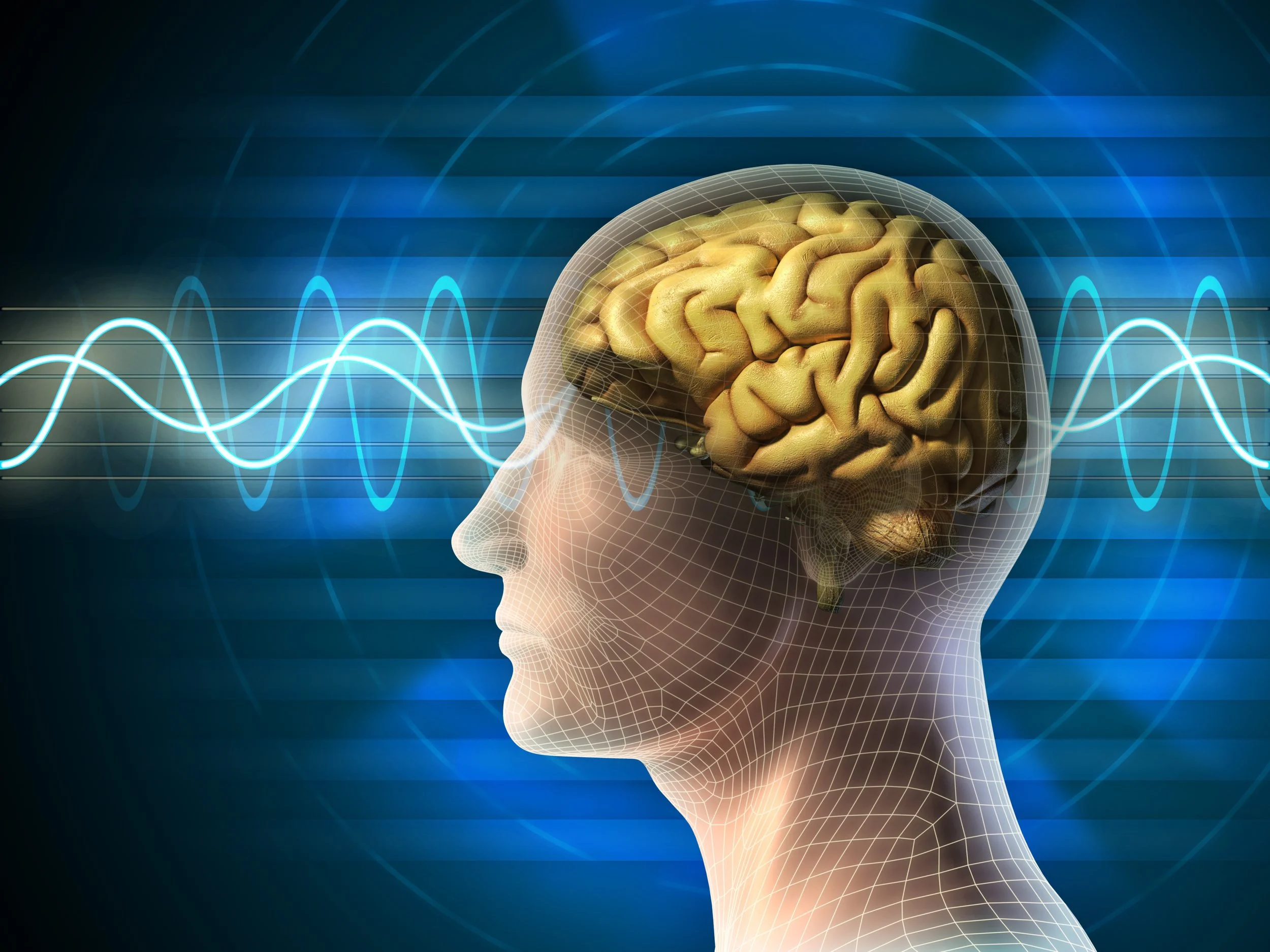
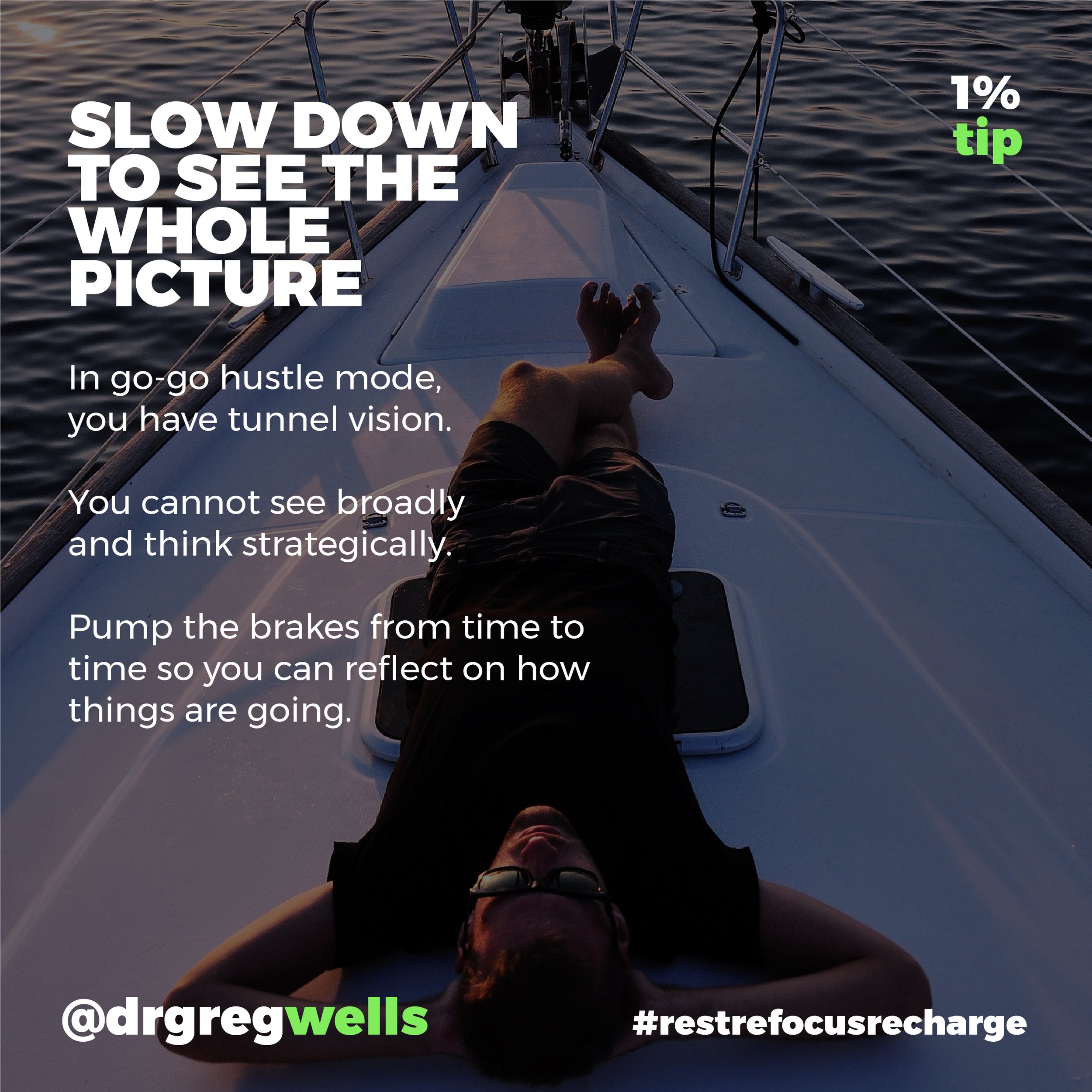
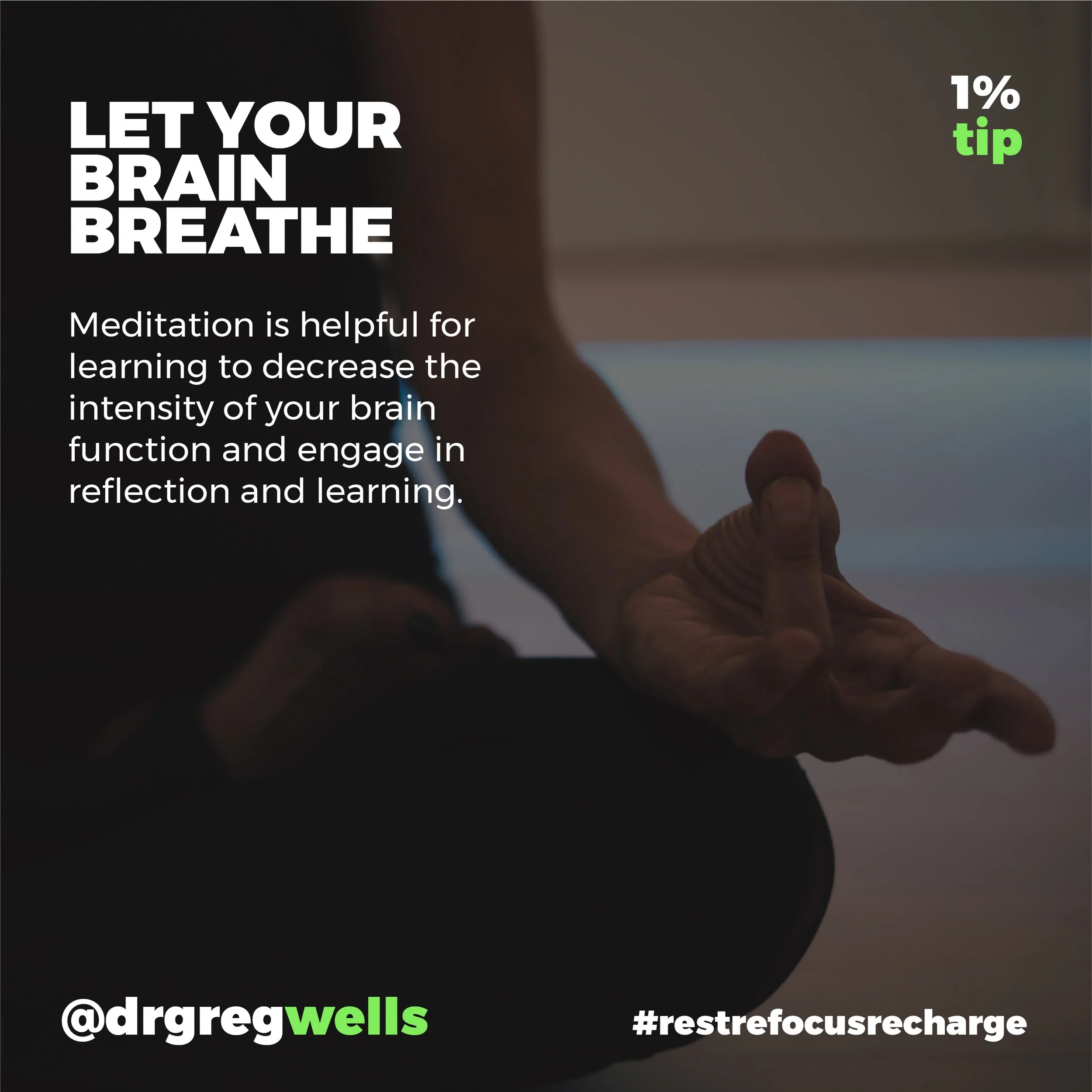
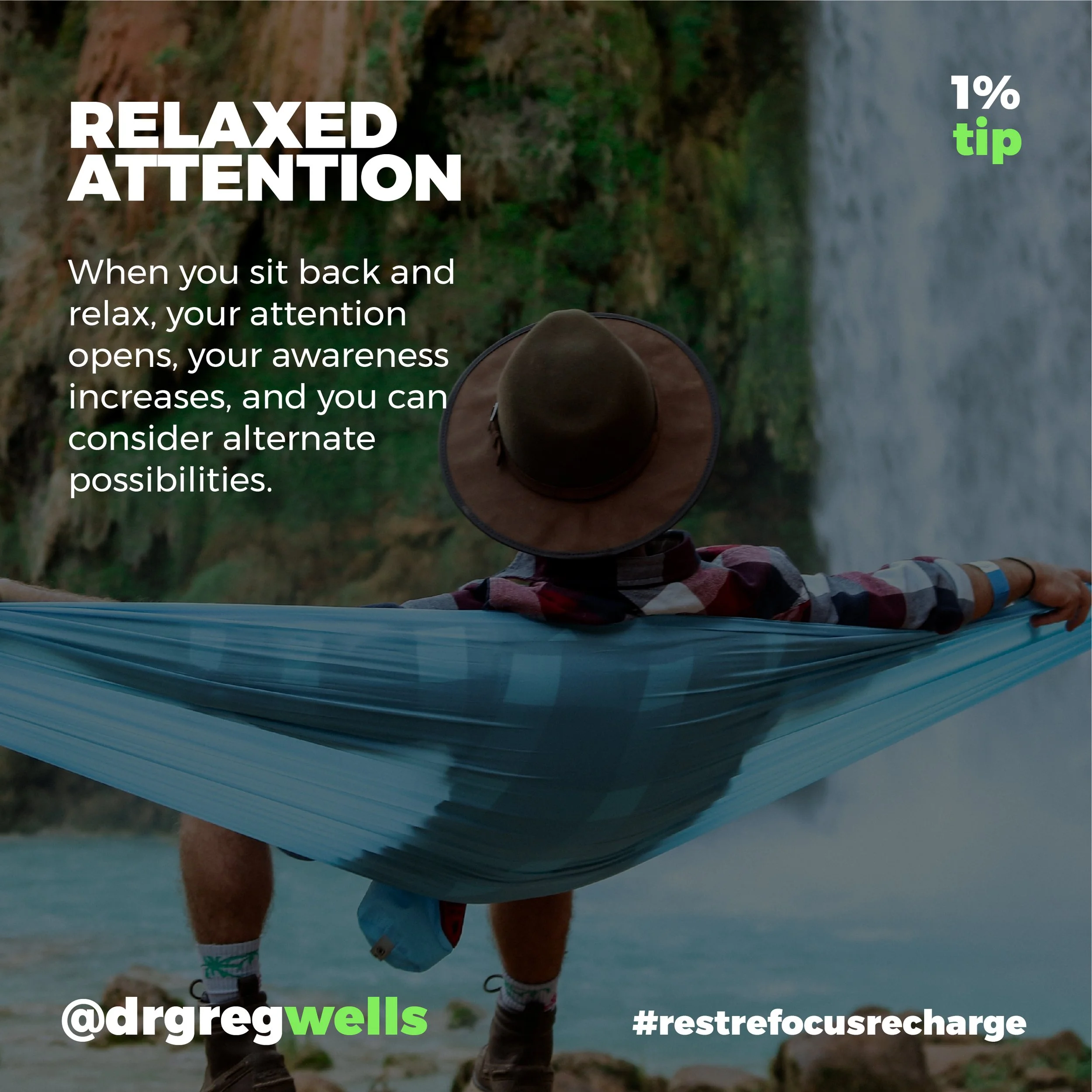
Stuck in constant stress mode? Your brain needs alpha waves. Just 30 minutes daily of meditation, walks, or quiet reflection can transform your learning, memory, and mental clarity. Shift from execution to reflection—and unlock your full potential.
Taking time to reflect and strategize is key to achieving sustainable and healthy high-performance. Practicing metacognition—thinking about how you think—helps shift the mind from reactive to strategic mode. Leveraging alpha brainwaves, which are created when we are learning and reflecting, is an effective way to activate metacognition, which helps to elevate our decision-making and planning abilities.
Exercise not only benefits the body but also significantly enhances brain function, in part due to brain-derived neurotrophic factor (BDNF). This protein, often called “fertilizer for the brain,” helps strengthen neurons, supports neuroplasticity, and plays a vital role in enhancing our ability to focus and concentrate.
When we remind ourselves that exercise just feels good, and that after we do our activities we are often happier, that can help us overcome the inertia of lying on the couch and get some momentum to get up and out the door for our run.
A 2021 Harvard Health article adds to the mountain of scientific literature linking exercise and cognitive function and improved memory and thinking skills. Exercise boosts your memory and thinking skills by acting on both the body and on the brain.
Optimizing our mental health is a challenge. I don’t think we should all be happy all the time, and experiencing life to the fullest can involve being happy, sad, excited, anxious or any one of many different moods and states.
The problem is when we experience chronic stress, anxiety or depression for extended periods of time without relief.
Therefore, in today’s post I’m sharing ideas on how to use exercise and physical activities to improve your mental health.
This week we’re exploring the impact that fun and play have on our health, wellbeing and ability to perform to our potential. While fun and play are usually NOT what we think about when perform at a high level, there is amazing research that shows that having fun, playing and crafting happiness in our lives is a key determinant of sustainable high performance.
Do you find yourself forgetting things more and more? Or feeling fuzzy minded when you need to be clear and sharp? You may be losing your edge if you’re not moving your body.
The benefits of mindfulness are far reaching - from decreasing stress, anxiety, and depression, to boosting focus, memory, problem solving. In addition to these functional benefits, there is also some evidence that mindfulness affects the structure of the brain. Studies have shown that meditation is associated with a higher concentration of grey matter in certain areas of the brain. However, the impact of mindfulness and meditation on white matter is less understood.
Your brain has a high-performance mode called "the zone." When you're in this flow state, ideas come and work feels effortless. It's not magic—it's gamma brainwaves. Learn how to access this state and unlock peak creativity.