
Topic:
MOVE MORE
Movement, Optimal Health and Exponential Wellness
Featured Articles on Moving More










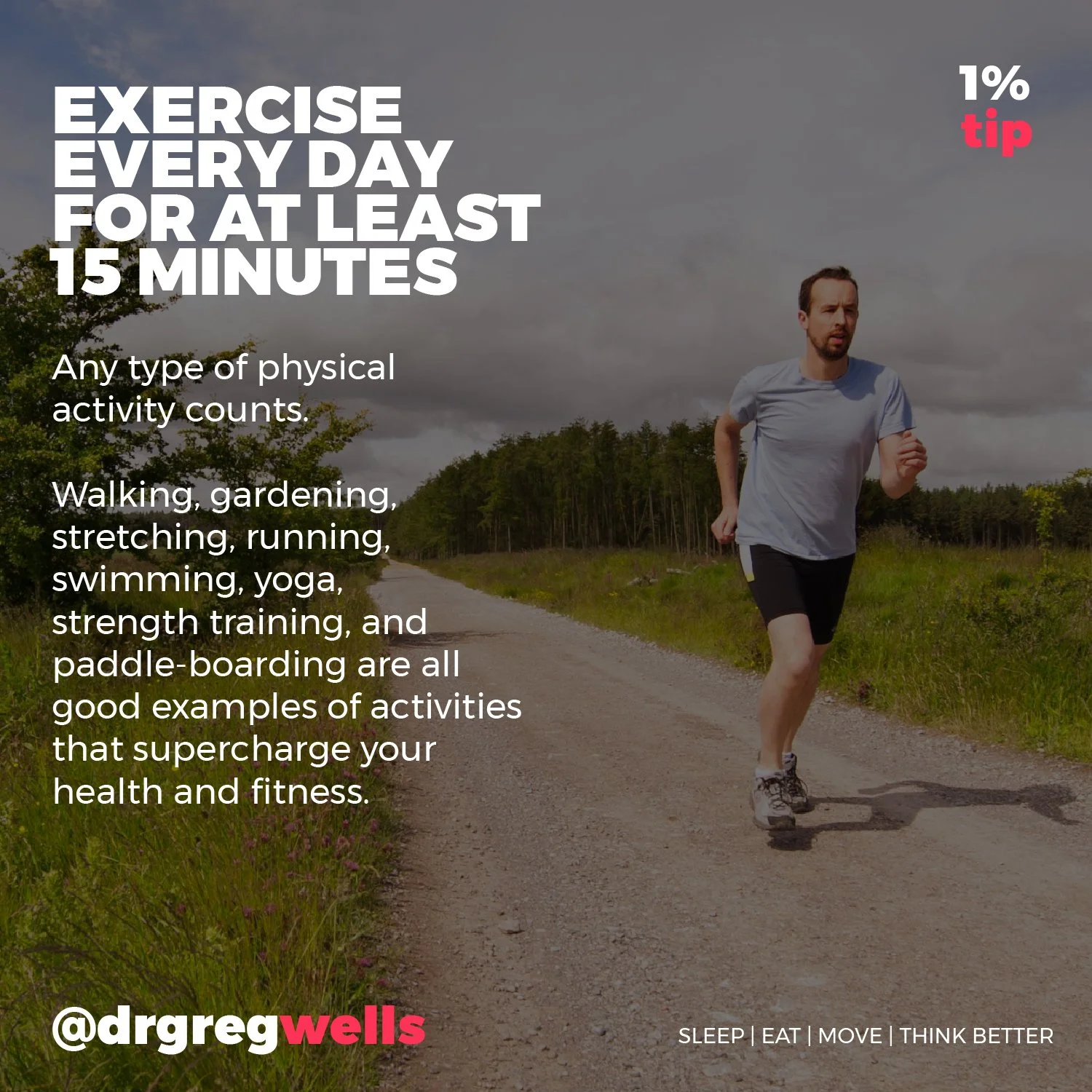
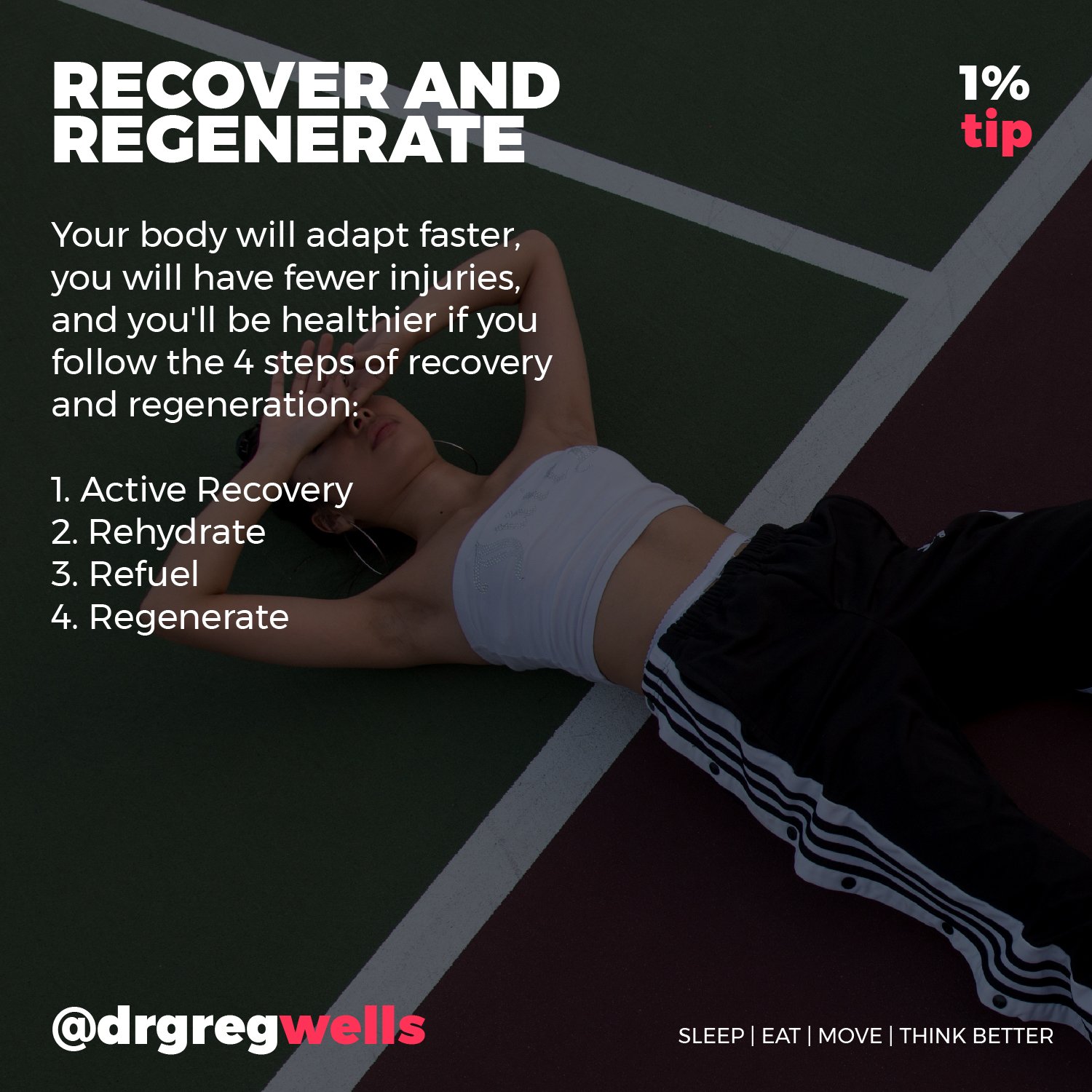


1% Tips and Micro Wins


When you have an entire day to recharge, the possibilities for profound restoration open up. This time allows the body and mind to undergo deeper recovery processes, from muscle rebuilding to memory consolidation.
When given a full hour to recharge, we have the opportunity to create a meaningful break that refuels both body and mind. In Rest, Refocus, Recharge, I recommend targeted, evidence-based methods to optimize this precious time. Engaging in deliberate recovery practices not only dissipates stress but also boosts cognitive and physical resilience. Here are science-backed strategies for maximizing an hour of rest to improve health, performance, and focus.
In the modern world, we often feel perpetually “on” and stretched thin by constant demands. Even seconds of intentional recharge can help recalibrate our nervous system, lower stress, and prevent burnout. In my book Rest, Refocus, Recharge, I presented simple, science-backed strategies for those precious seconds when we need a quick reset. These rapid recovery techniques allow us to respond, rather than react, to life’s pressures by taking control of our physical and mental state.
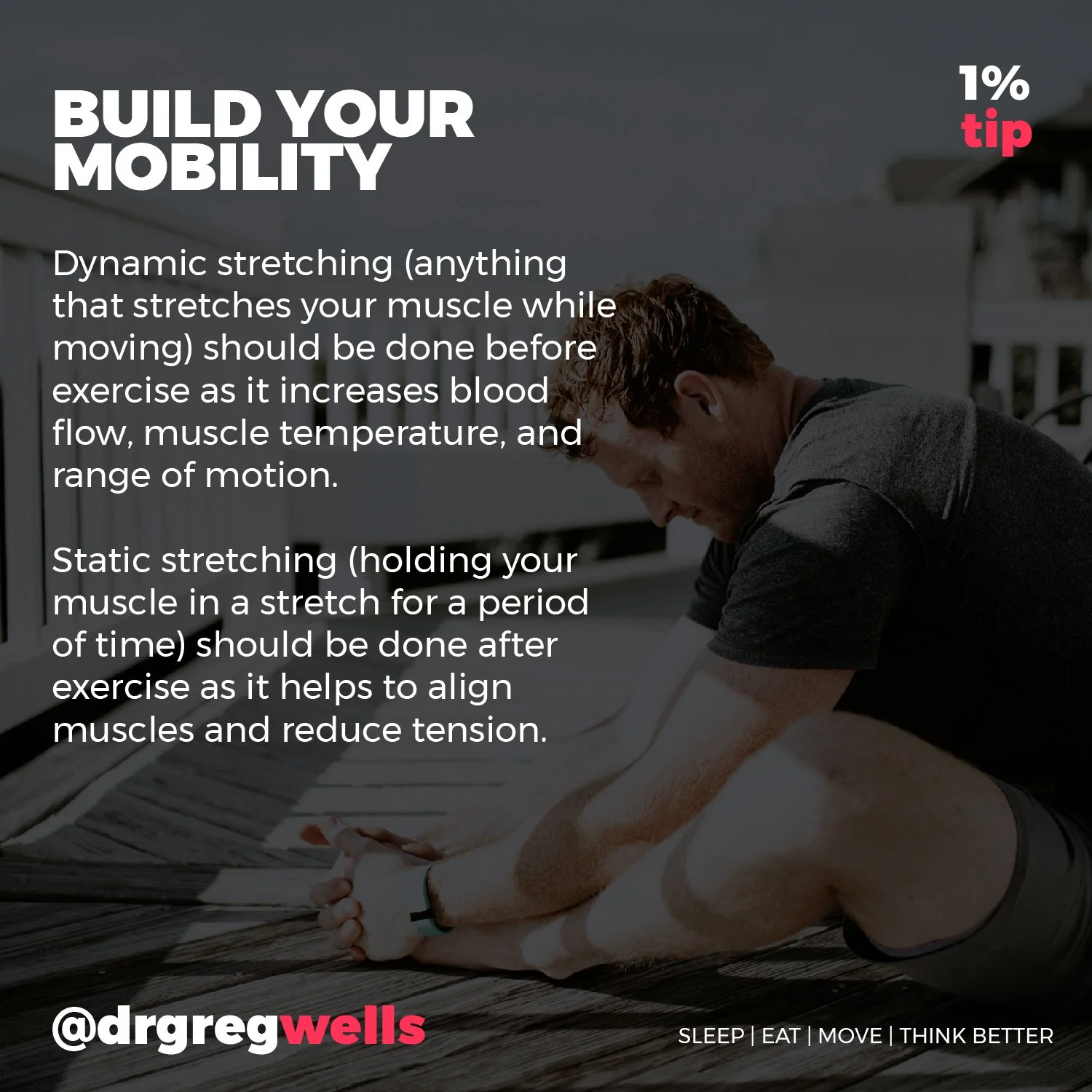
In this article I talk about the benefits of stretching to build flexibility and mobility. I also explain the difference between dynamic activation and static stretching and when you can do each for better health and performance.
Activating the body is one of the most effective ways to engage and focus the mind. Research consistently shows that physical activity boosts cognitive performance, helping us think faster, focus better, and improve creativity.
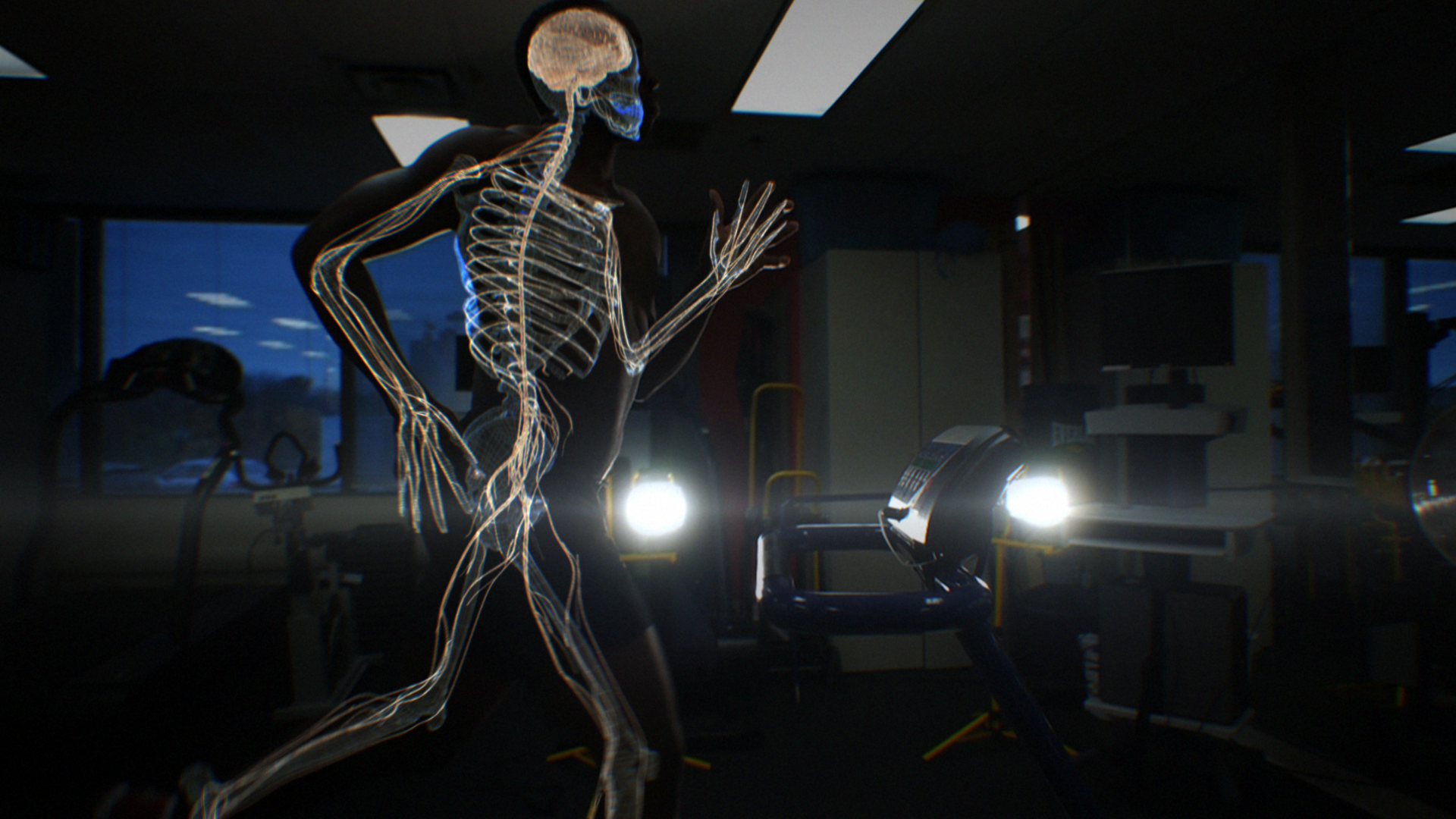
The connection between mind and body is essential and our understanding of this mind-body axis is exploding. This connection can be activated by activating specific enzymes, such as AMP kinase via aerobic exercise and mTOR via strength training as they play key roles in energy metabolism, cellular function, and positive adaptation.
In recent years, cold exposure has gained popularity as a powerful wellness practice with benefits that extend far beyond boosting resilience. Regular exposure to cold, whether through cold showers, ice baths, or winter swims, offers an impressive range of health benefits. Key to its positive effects is the activation of the parasympathetic nervous system, which promotes relaxation, mental clarity, and overall well-being. This article delves into the science behind cold exposure and its transformative effects on the body and mind.
From ancient practices to modern saunas, cultures worldwide have long recognized the health benefits of heat exposure. Recent science sheds light on why this practice is so beneficial: mild heat stress activates a family of cellular protectors known as heat shock proteins (HSPs), which play an essential role in cellular repair, resilience, and energy production. By embracing controlled heat exposure, like sauna sessions or hot baths, we can tap into these benefits to improve our health and longevity.
A 2021 Harvard Health article adds to the mountain of scientific literature linking exercise and cognitive function and improved memory and thinking skills. Exercise boosts your memory and thinking skills by acting on both the body and on the brain.
Today, we explore how proper nutrition can optimize health and energy. Mitochondria are essential for producing the energy that powers every cell in your body, playing a crucial role in overall health, vitality, and performance. By understanding the key nutrients that fuel these vital organelles, you can make informed dietary choices that enhance your wellbeing and supercharge your performance.
Do you find yourself forgetting things more and more? Or feeling fuzzy minded when you need to be clear and sharp? You may be losing your edge if you’re not moving your body.
Menopause is a metabolic crossroads. Your hormones shift. Your body changes. But here's what most women don't know: the right exercise (strength training, strategic cardio, and HIIT) can prevent muscle loss, preserve bone, and keep you strong and vibrant through menopause.