
Experiencing “flow,” a state of deep focus, calm, and optimal performance, is what flow researchers call optimal experience [1]. Athletes, artists, and professionals describe flow as being “in the zone,” where you lose track of time, actions feel effortless, and the mind is fully absorbed in the task at hand. Regular movement, particularly activities that challenge but don’t overwhelm, can help us access this ideal performance state and improve both our mental and physical well-being.
Understanding Flow and the Ideal Performance State
Flow was first identified by psychologist Mihaly Csikszentmihalyi, who defined it as a highly focused state conducive to peak performance. It occurs when our skills are balanced with the challenge at hand, a combination that creates an ideal performance state (IPS). Performance peaks when arousal is moderate, a pattern known as the Yerkes-Dodson law [2]. In flow terms, a challenge far below your skill leaves you bored, and one far beyond it leaves you anxious [1].
In this state, we lose our sense of self-consciousness, gain an intrinsic reward from the activity, and feel a profound sense of control and mastery. This IPS enables creativity, productivity, and a sense of timelessness. Reaching this zone can feel out of your control, but you can deliberately create the conditions for flow, particularly through movement. Csikszentmihalyi named three: clear goals, immediate feedback, and a balance between challenge and skill [1].
How Movement Facilitates Flow
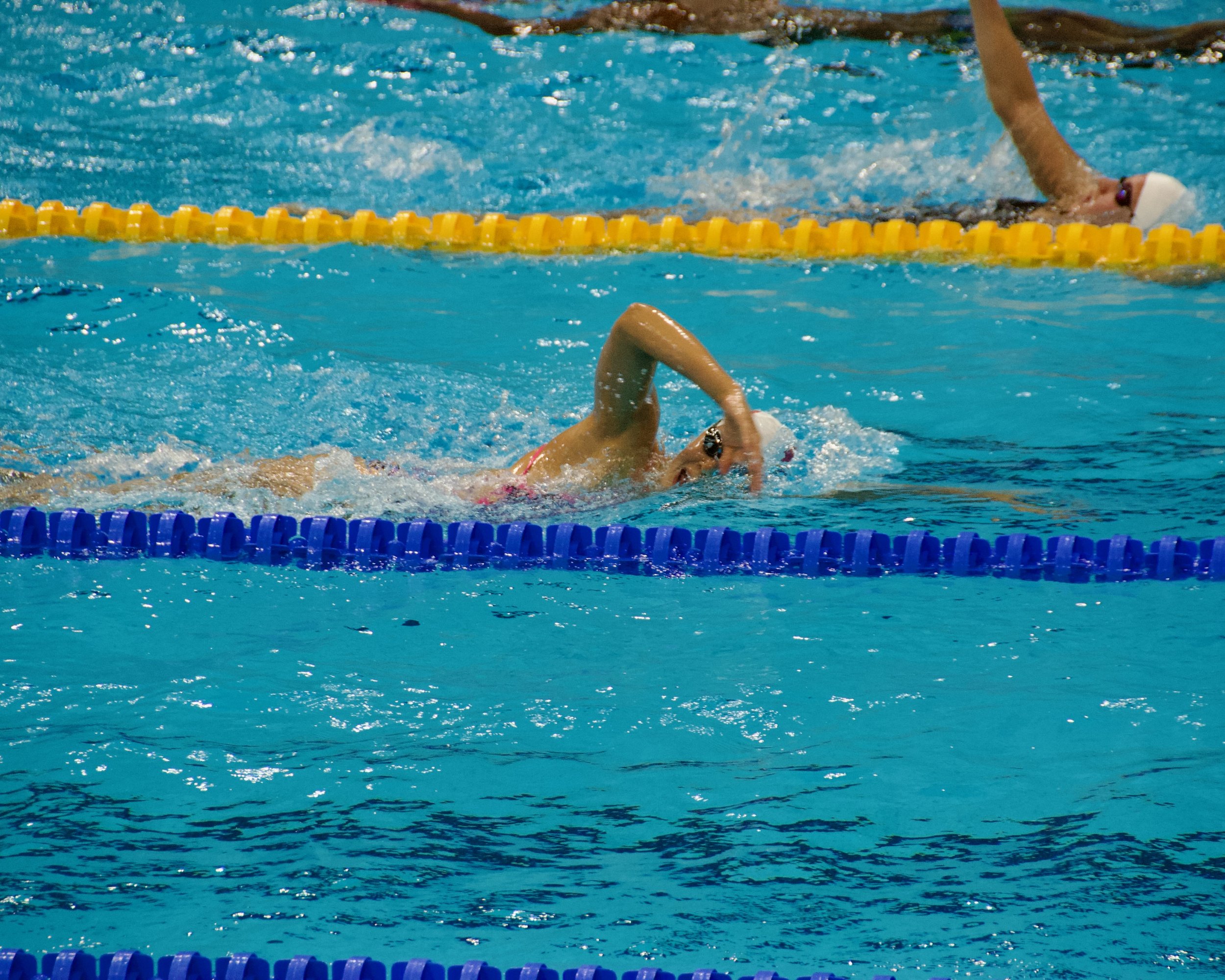
Exercise is a natural route into flow, and elite athletes often report experiencing it [3]. Movement brings us into the present moment, reduces stress, and enables us to reach the ideal level of arousal needed for flow. For example, rhythmic activities like running, cycling, or swimming synchronize the body and mind, so distractions fade as your brain settles into a focused, relaxed state.
During physical activity, your brain releases endorphins, which lift your mood: brain scans of runners showed this release after a two-hour run [4]. Regular exercise also builds your mitochondria [5] and your cardiovascular health, which improve your overall energy and mental clarity, both prerequisites for flow. Movement also helps you find the challenge-skills balance, which Csikszentmihalyi identified as the golden rule of flow [1]. When you choose activities that push your limits without overwhelming you, you engage your skills fully, which creates the conditions for flow.
Steps to Achieve Flow through Movement
Achieving flow requires a combination of the right activity, mindset, and environment. Here are some strategies to cultivate flow more regularly through movement:
Choose a Challenging Activity You Enjoy
Flow is more likely to occur during activities that are both enjoyable and challenging. Select exercises that you look forward to, like dance, rock climbing, or yoga. Once you feel comfortable, try to increase the difficulty slightly to maintain the challenge-skills balance and keep your brain engaged.Set Clear Goals
Setting a specific intention for your workout, such as completing a certain distance or maintaining a pace, can clarify goals and help you stay focused. Clear goals give you direct feedback, one of the core characteristics of flow. For example, a runner may set a goal to complete five miles within a set time, using each milestone as feedback toward their flow state.Create an Optimal Environment
Flow often occurs in environments that support focus and eliminate distractions. For some, this might mean listening to energizing music, while others may prefer the quiet of nature. Outdoor exercise, such as hiking or outdoor running, adds the calming effect of natural surroundings: in one study, a walk in nature restored people’s attention more than a walk through the city [6].Practice Mindful BreathingDeep, controlled breathing helps regulate your arousal levels [7], which keeps you in the ideal performance state. Many athletes use breath control to maintain calm focus, especially in high-stakes situations. Practicing deep breathing during movement creates a sense of rhythm and keeps your mind anchored in the present.
Focus on the Process, Not the Outcome
Flow is intrinsically rewarding; the joy of movement itself is more significant than any external reward. Rather than concentrating on finishing the workout or achieving a particular result, immerse yourself in each step of the process. This shift in focus reduces pressure and helps maintain flow even in challenging conditions.
The Benefits of Flow Beyond Exercise
Regularly entering flow has numerous benefits beyond physical performance. Flow states help people reach peak performance [8], and the skills you practice to find flow in movement (choosing the right challenge, setting clear goals and shutting out distractions) carry into other areas, such as work, study, or creative pursuits.
Achieving flow is also deeply calming. Since it requires full immersion in the present, flow redirects your attention away from anxiety and stressors. Csikszentmihalyi found that the best moments in people’s lives usually come when they stretch themselves to accomplish something difficult and worthwhile [1], so learning to find flow regularly brings more of those moments into your life.
Moving Toward Flow
Movement is a powerful tool for cultivating flow and accessing your ideal performance state. By choosing activities that balance challenge and skill, setting clear goals, and eliminating distractions, you can learn to enter flow more frequently, which builds your mental and physical well-being. Embrace the process, and experience the benefits of flow as it enriches your life both on and off the field.
This article is based on my Powerhouse book. If you want to learn more about healthy peak performance you can order the book here.
References
[1] M. Csikszentmihalyi, Flow: The Psychology of Optimal Experience. New York, NY, USA: Harper & Row, 1990.
[2] R. M. Yerkes and J. D. Dodson, “The relation of strength of stimulus to rapidity of habit-formation,” J. Comp. Neurol. Psychol., vol. 18, no. 5, pp. 459-482, Nov. 1908, doi: 10.1002/cne.920180503.
[3] C. Swann, R. J. Keegan, D. Piggott, and L. Crust, “A systematic review of the experience, occurrence, and controllability of flow states in elite sport,” Psychol. Sport Exerc., vol. 13, no. 6, pp. 807-819, Nov. 2012, doi: 10.1016/j.psychsport.2012.05.006.
[4] H. Boecker et al., “The runner’s high: Opioidergic mechanisms in the human brain,” Cereb. Cortex, vol. 18, no. 11, pp. 2523-2531, Nov. 2008, doi: 10.1093/cercor/bhn013.
[5] C. Lundby and R. A. Jacobs, “Adaptations of skeletal muscle mitochondria to exercise training,” Exp. Physiol., vol. 101, no. 1, pp. 17-22, Jan. 2016, doi: 10.1113/EP085319.
[6] M. G. Berman, J. Jonides, and S. Kaplan, “The cognitive benefits of interacting with nature,” Psychol. Sci., vol. 19, no. 12, pp. 1207-1212, Dec. 2008, doi: 10.1111/j.1467-9280.2008.02225.x.
[7] A. Zaccaro et al., “How breath-control can change your life: A systematic review on psycho-physiological correlates of slow breathing,” Front. Hum. Neurosci., vol. 12, p. 353, Sep. 2018, doi: 10.3389/fnhum.2018.00353.
[8] J. Gold and J. Ciorciari, “A review on the role of the neuroscience of flow states in the modern world,” Behav. Sci., vol. 10, no. 9, p. 137, Sep. 2020, doi: 10.3390/bs10090137.
