

The Dr. Greg Wells Podcast



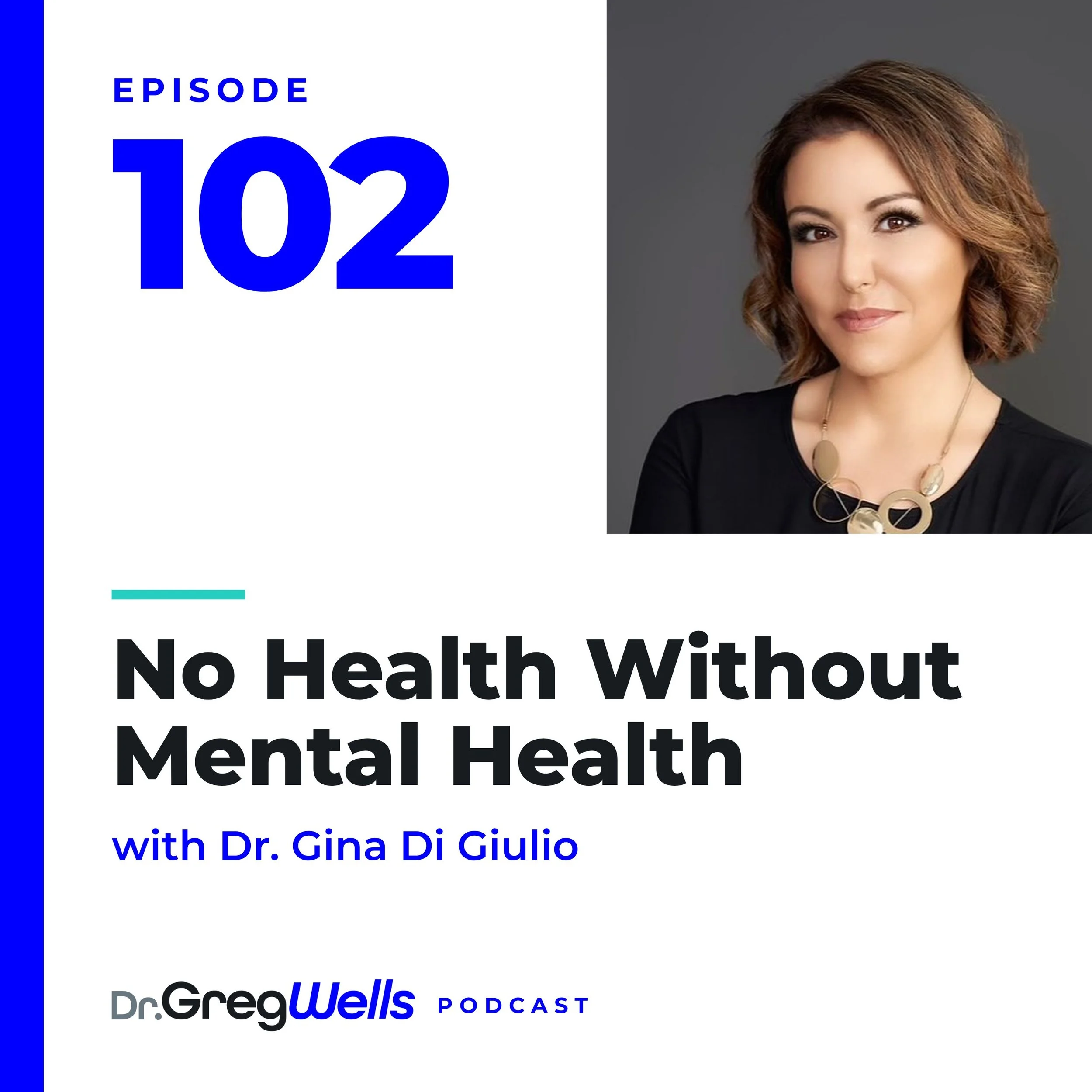
No Health Without Mental Health with Dr. Gina Di Giulio
During the pandemic, I set up a WhatsApp group with a few friends. Every time I finished a workout, I texted the group, and they did the same. We met up for bike rides, swims and paddleboard sessions, always outdoors. That social connection around exercise was invaluable for me. When I talked with clinical psychologist Dr. Gina Di Giulio about why, she gave me a line I circled ten times in my notes: action is the antidote of anxiety.
Gina’s approach to anxiety starts with one question: is this within my control? If it is, take one small action on it, because action interrupts the loop of worry and builds motivation as you go. Exercise is one of the most useful actions you can take for your mind. A large overview of systematic reviews in the British Journal of Sports Medicine found that physical activity reduced symptoms of depression, anxiety and psychological distress in adults, with medium effects compared with usual care. Gina’s guideline is at least 30 minutes of moderate cardio three times a week, and when you do it with friends, you add the protective effect of social connection.
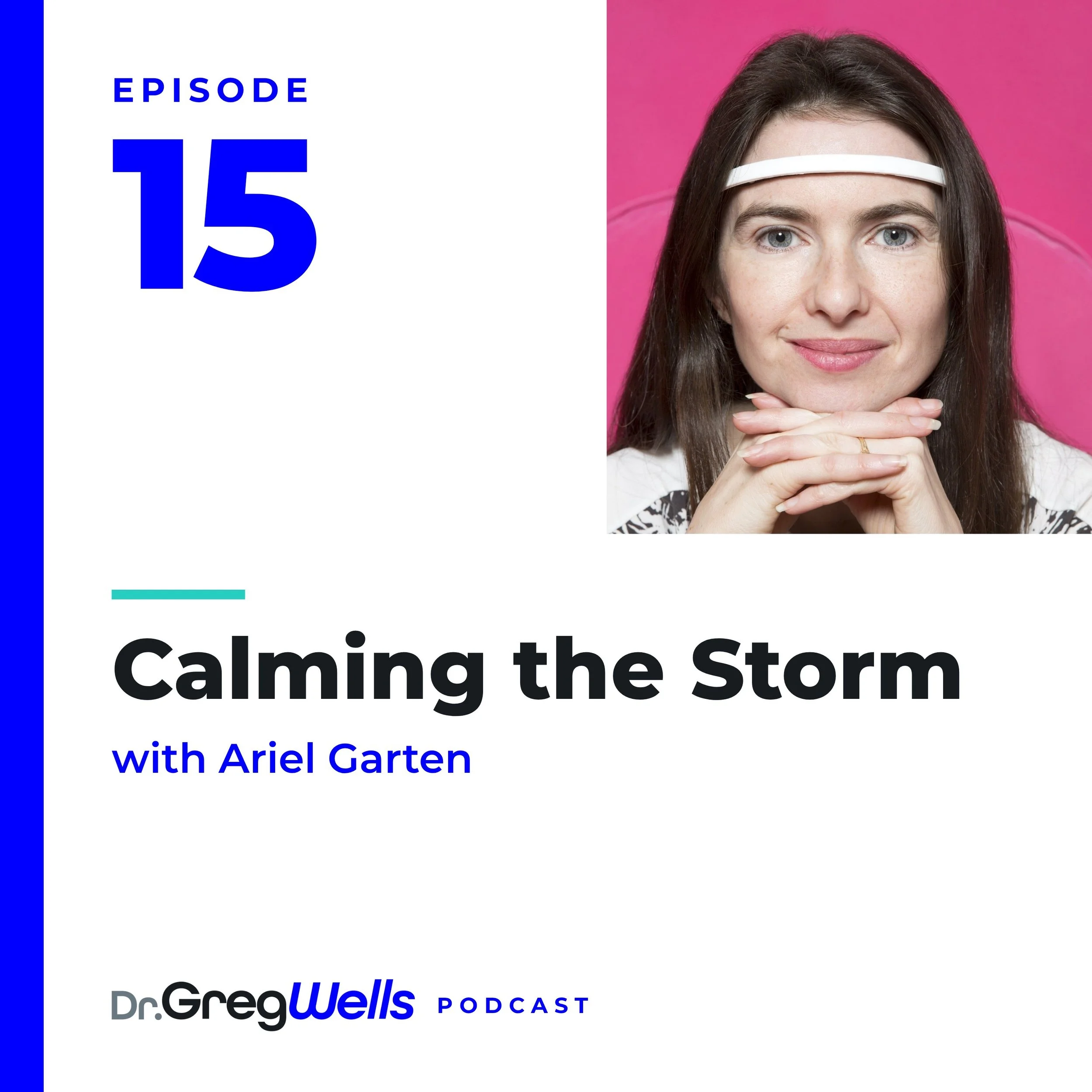
Calming the Storm with Ariel Garten
At the Vancouver 2010 Winter Olympics, Ariel Garten and her co-founders built an installation that let visitors control the lights on Toronto’s CN Tower, Niagara Falls and the Parliament buildings in Ottawa using only their brain activity, thousands of kilometres away. On the last night of the Games, Ariel’s parents drove to Niagara Falls. She sat down in the installation, looked up at the live feed and, one by one, turned the lights on the Falls pink for her mom. Years later, a concussion gave her a very different lesson in her own brain. She found that meeting each new symptom with curiosity, instead of anxiety, kept her out of the stress spiral that made everything harder.
Ariel’s favourite tool for nerves before a talk is to reinterpret the feeling. The rising energy in your body before you walk on stage can be read as nervousness or as excitement. Alison Wood Brooks at Harvard Business School tested exactly this. People who said “I am excited” before singing karaoke, giving a speech or doing difficult math performed better than people who tried to calm down, and they felt more excited. Anxiety and excitement are both high-arousal states, so it is easier to move from one to the other than to force yourself all the way down to calm. When you name the feeling as excitement, you shift toward an opportunity mindset, which lets you channel that energy into the performance.