
Topic:
CREATIVITY
Creativity, Problem Solving and Innovation
Featured Articles on Creativity and Innovation






1% Tips and Micro Wins





Distractions are stealing your focus and fragmenting your potential. Learn how to build "attention stamina," manage digital noise, and access flow states consistently. Deep focus is an invaluable, trainable skill.
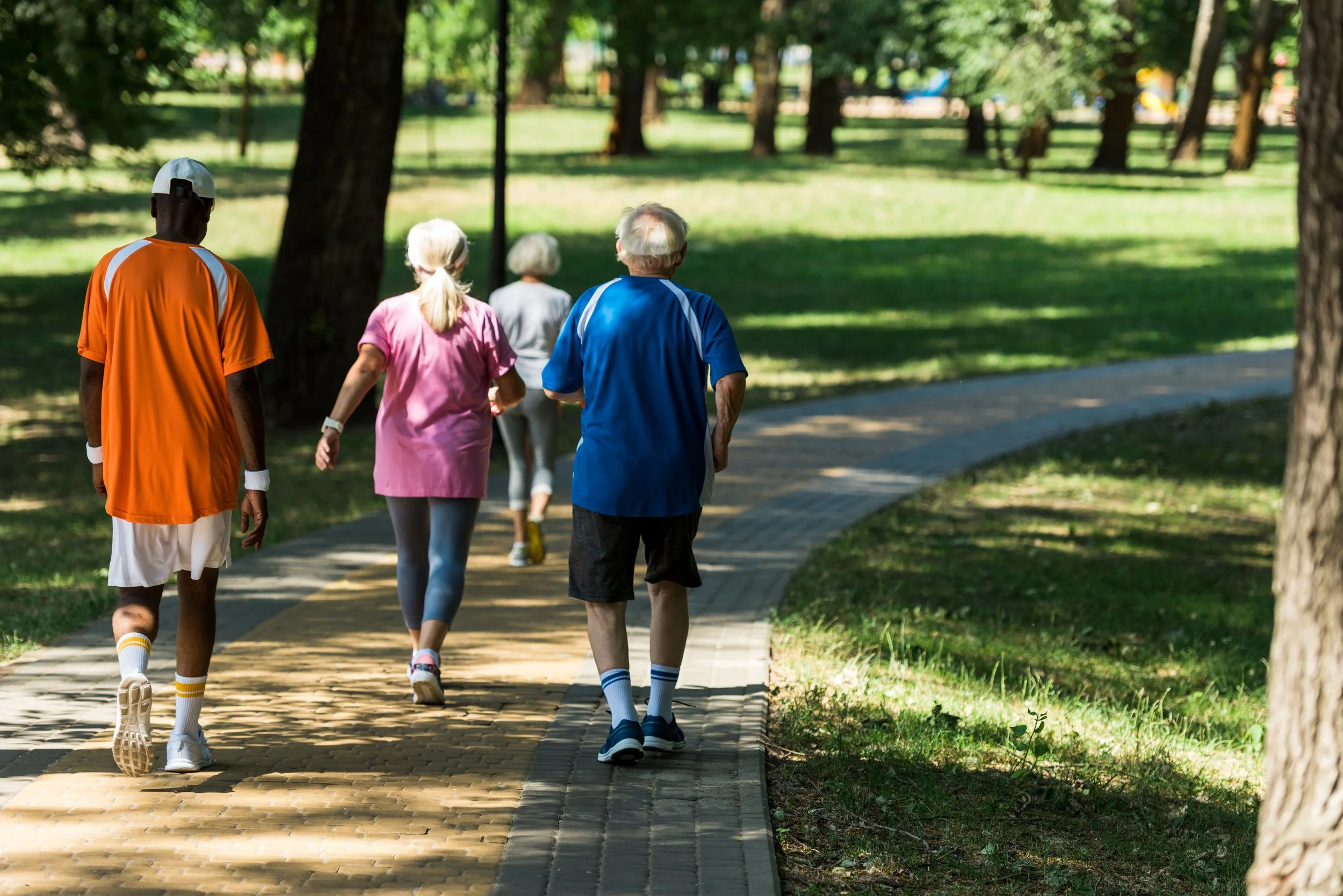
Stuck on a problem? Take a walk. The creative boost persists even after you sit down. Walking meetings? They transform team dynamics, soften hierarchies, stimulate ideas. Your next big breakthrough might just be a 10-minute walk away.
AI generates thousands of ideas. But only humans can create something that makes people care. Authenticity, empathy, emotional truth are what separates real creativity from algorithmic remix. Your edge? What makes you human.
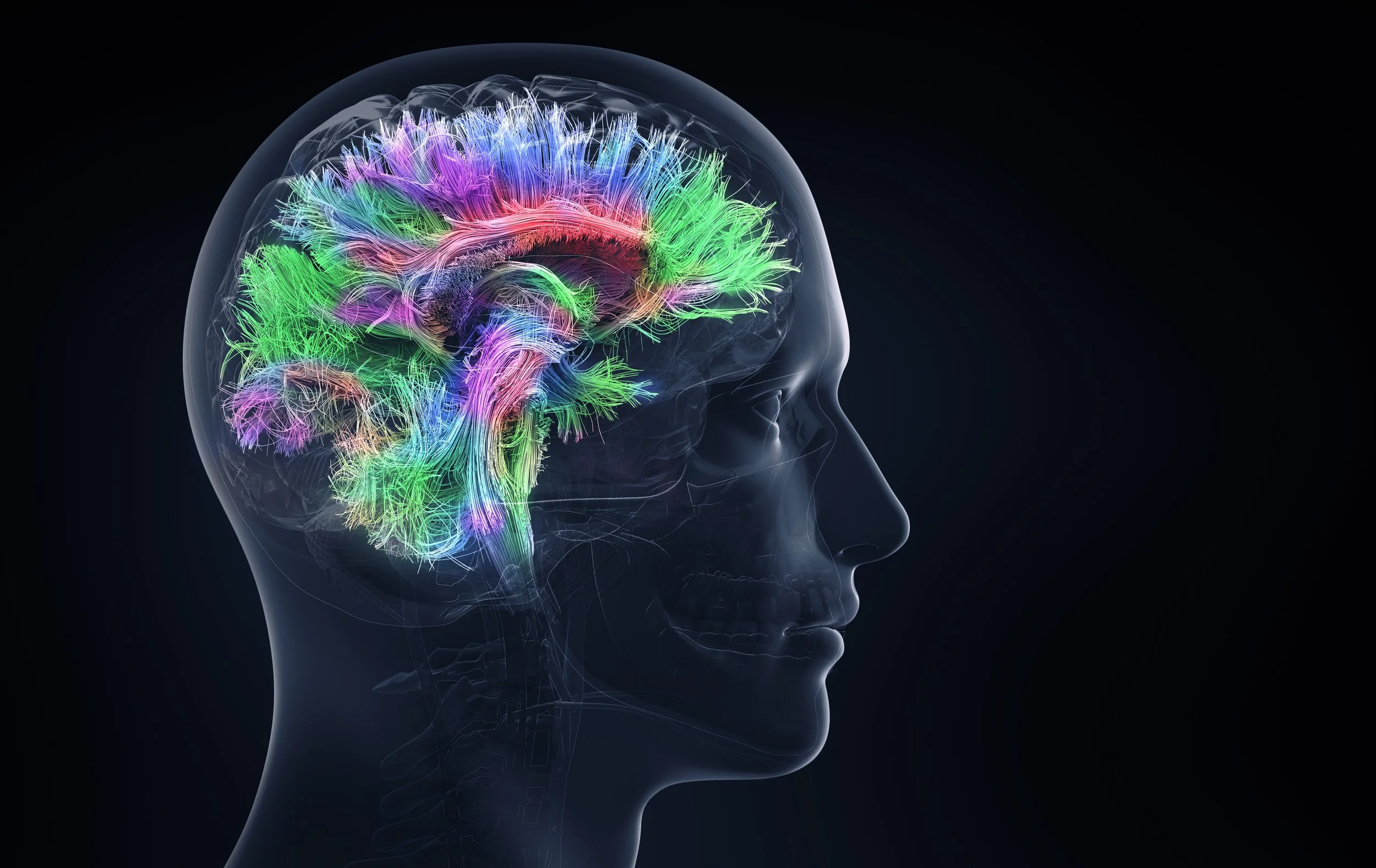
Certain types of physical activity can shift our brainwaves into a state associated with calm and creativity, known as theta brainwaves. Understanding the relationship between movement and brainwave activity can help us build resilience to stress and enhance mental well-being.
There are ways we can manipulate our internal and external environment to help us enter into a Theta brainwave state more often, such as seeking solitude, changing scenery, and releasing tension from the body. This week we’re going to dive into one of the most powerful hacks to enter into a state of creativity: moving meditation
Theta brainwaves are one of the slowest brainwave states, measuring at 4 - 7 cycles per second (Hz). In this state our creativity is flowing. During theta wave activity, several regions of our brain activate at the same time and connect to each other. This is how we have leaps of insight, come up with new solutions to old problems, and discover links we didn’t see before. A classic example is being on autopilot in the shower, going through the motions without thought, and having a new, seemingly random, idea pop into your mind.
I’m sure you’ve noticed on days you don't get a good sleep, you struggle to concentrate, are unable to recall facts, and find it difficult to solve problems. It’s also well established that students’ academic performance is correlated with sleep quantity and quality. But what exactly is happening at night that helps us think clearly the next day?
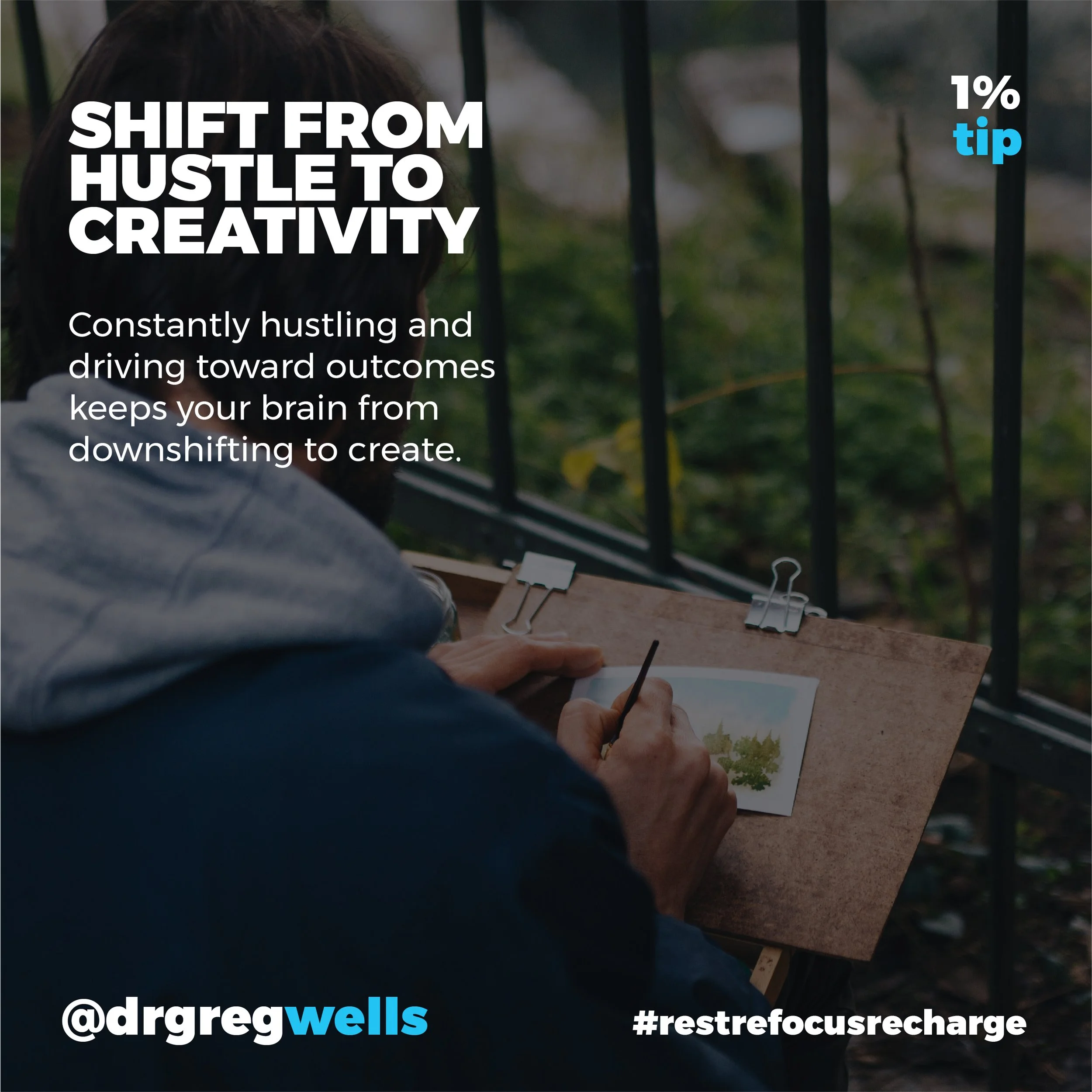
Your creativity isn’t something you can just turn on and off, but it is definitely something you will undermine if you are in constant go mode. Our brains aren’t designed to ideate and innovate when we are in focused execution mode.
Need to brainstorm or ideate? Need to come up with a radically new idea? Need to be agile and innovative? Step out of execution mode and relax.
One of the major side effects of the epidemic of unrelenting drive and constant hustle has been to limit our collective capacity for deep and broad thinking.
When it comes to reflection, learning, strategic thinking and metacognition, our brains need to slow down, focus and trigger alpha waves.
Science shows that when our creativity is peaking, we emit theta waves and several regions of our brains interact to make new connections and come up with novel ideas. But how do we get into that state, keep track of the ideas we generate and stimulate a long-term source of ideas?
Your brain learns better in a group. When diverse minds come together with shared purpose, stress hormones drop, and performance climbs. Science shows: we're wired to thrive together. Here's why community is your ultimate performance edge. #CollaborativeLearning #GroupPerformance