
Featured Newsletter Articles
Articles




Distractions are stealing your focus and fragmenting your potential. Learn how to build "attention stamina," manage digital noise, and access flow states consistently. Deep focus is an invaluable, trainable skill.
Most high performers believe they have to trade their health for results. After decades working with Olympic athletes and leaders, I’ve learned the best ones refuse that trade. Here’s the science of Healthy High Performance, and a 60-second check you can do tomorrow morning.
Menopause is a metabolic crossroads. Your hormones shift. Your body changes. But here's what most women don't know: the right exercise (strength training, strategic cardio, and HIIT) can prevent muscle loss, preserve bone, and keep you strong and vibrant through menopause.
Stuck on a problem? Take a walk. The creative boost persists even after you sit down. Walking meetings? They transform team dynamics, soften hierarchies, stimulate ideas. Your next big breakthrough might just be a 10-minute walk away.
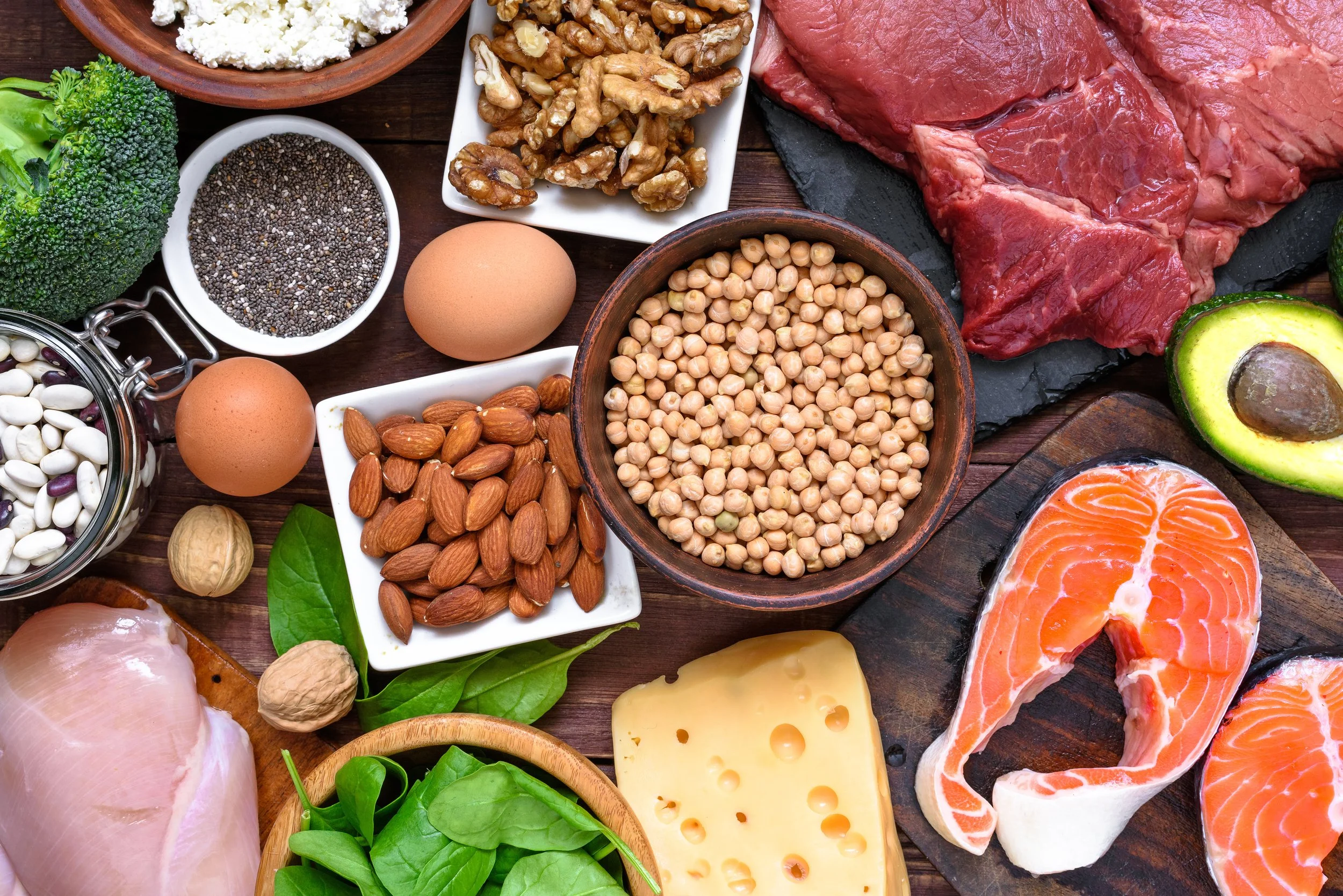
What you eat before a big moment can make or break your mental sharpness. Discover how strategic protein timing boosts focus, energy, and clarity, giving you a science-backed edge, every afternoon and beyond.
Your brain learns better in a group. When diverse minds come together with shared purpose, stress hormones drop, and performance climbs. Science shows: we're wired to thrive together. Here's why community is your ultimate performance edge. #CollaborativeLearning #GroupPerformance