
Episode 259 · February 6, 2026 · 43 min



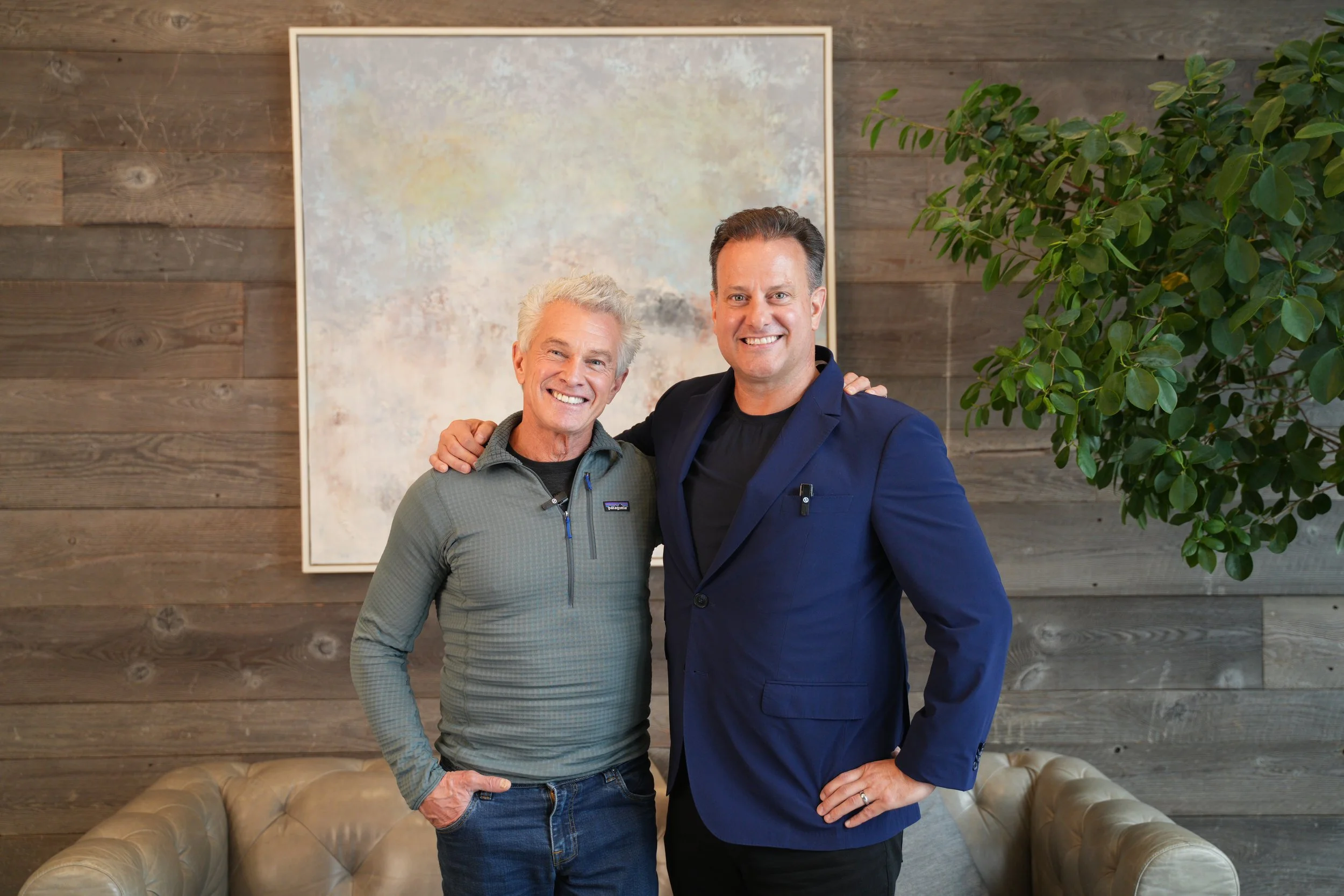
The morning we recorded this conversation, Dr. James Rouse and I compared notes over breakfast at a conference. How much did you sleep? Eight and a half hours. When did you go to bed? Eight o’clock, while everyone we love was still out having a great time. James calls that kind of no his bushido, the personal code that protects what matters most to him. He is an international speaker, award-winning author, high-performance coach, clinician and Emmy Award-winning media host, and I have known him for more than a decade.
As a physiologist, I love how he frames cortisol. Cortisol gives you the energy to get hard things done, and when it stays high all day without recovery, it drives inflammation and leaves you depleted. James’s answer is to live in intervals: peak effort followed by deep rest, so your stress chemistry does its job and then gets a chance to reset.
“Peace always trumps performance.”
Key takeaways
Put peace before performance. James spent years in triathlon trying to outwork how he felt about himself, and his performance suffered. Whatever practice you choose, from sleep to breathwork to cold water, do it first for peace. Self-acceptance becomes the foundation your performance is built on.
Do the one thing. Instead of starting 11 new habits, pick one and make the cue obvious, like running shoes beside your bed. When you notice yourself doing it well, your sense of self-efficacy grows and the next habit comes more easily.
Live in intervals. Pair peak performance with deep rest. James finishes a cold plunge by wrapping up in a blanket and sitting still, and he describes this contrast between hard effort and real recovery as high interval intention training.
Feed your mitochondria. Start the day with healthy fats instead of refined carbohydrates, eat deeply colored plants like dark leafy greens and blueberries, and include lean protein and resistance training. A good night’s sleep supports the clean-up work that keeps your mitochondria healthy.
Build your bookends. James breathes, chants and prays before he touches his phone, which he keeps out of arm’s reach. He stops work at 4 p.m., finishes eating by 5:30, takes a slow walk with his dogs and is usually asleep by 8. He ends each day with self-recognition, a list of what he did well.
Your 1% Tip
Tonight, before you go to sleep, write down three things you did well today. James calls this self-recognition, and it is different from gratitude: it trains you to notice your own wins, which builds self-efficacy and lets you end the day on what went right.
About James
Dr. James Rouse is an international speaker, award-winning author, high-performance coach and entrepreneur focused on purpose-driven success and whole-person wellbeing. He is a clinician and an Emmy Award-winning media host and producer who has worked with leaders from Fortune 50 executives to everyday changemakers. His book DIEM: The Art of Every Day brings his approach to daily practice, purpose and energy together in one place.
Resources
DIEM: The Art of Every Day by Dr. James Rouse with Dr. Debra Rouse: his daily guide to living with purpose and energy.
Get the science in your inbox
Wells Performance Insights is my newsletter. I take the science of your body and brain and turn it into a 1% Tip you can use the same day. Sign up for Wells Performance Insights.
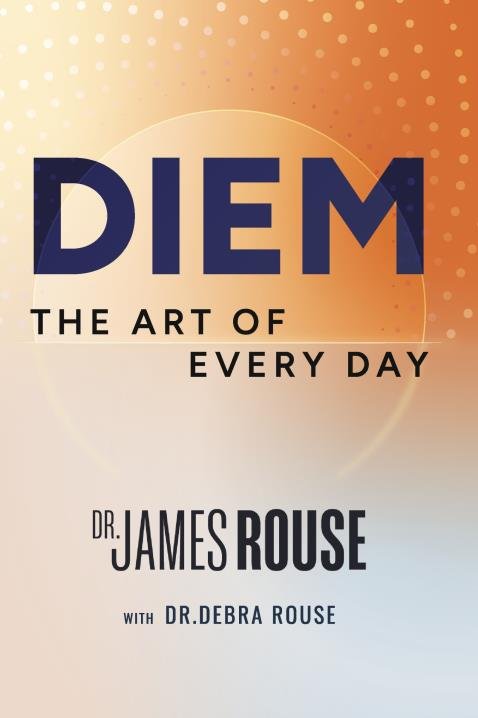
The book
DIEM: The Art of Every Day, by James with Dr. Debra Rouse, is his daily guide to building purpose, energy and presence into ordinary days.
Dr. Greg Wells is a human physiologist, five-time bestselling author, Senior Scientist Emeritus at SickKids and author of 70+ peer-reviewed papers.
This podcast contains advice and information relating to health and wellness. It should be used to supplement rather than replace the advice of your doctor or another trained health professional. If you know or suspect that you have a health problem, seek your physician’s advice before embarking on any medical program or treatment. All efforts have been made to assure the accuracy of the information contained in this podcast / interview / article as of the date of publication. The author and publisher disclaim liability for any medical or other outcomes that may occur as a result of applying the methods suggested in this material.
