
Episode 260 · February 20, 2026 · 53 min



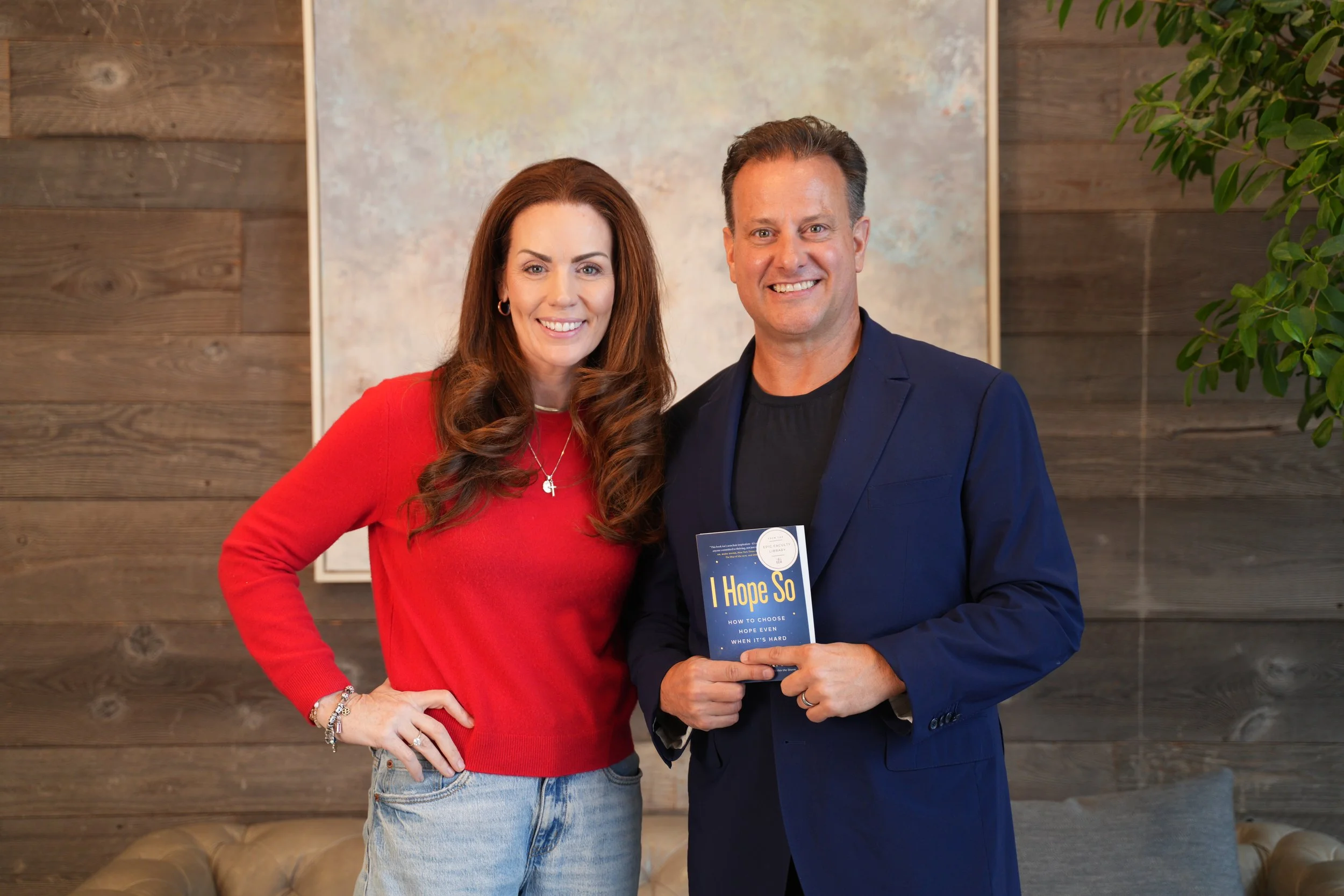
A while ago, Dr. Robyne Hanley-Dafoe’s speaking business hit a strange season. She sent me a text to say she was going through it and asked whether I was open to a conversation. I called her back, and it turned out my business was in a strange season too, so we worked through it together and both moved forward. Robyne is an award-winning psychology and education expert, a high school dropout turned university professor and the bestselling author of Calm Within the Storm and Stress Wisely. Her new book is I Hope So: How to Choose Hope Even When It’s Hard.
As a physiologist, I appreciate how practical her approach is. She builds on C. R. Snyder’s hope theory, which describes hope as two skills you can train: pathway thinking, where you identify possible next steps, and agency thinking, where you recognize the decisions that are yours to make. When you are in crisis, your stress response narrows what you can see, so Robyne starts with your physiology: sleep, food, a short walk and one trusted person.
“When you are drowning, it doesn’t matter how you got into the water.”
Key takeaways
Separate hope from optimism. Optimism is attached to a particular outcome. Robyne describes hope as a steadfast belief that, come what may, you will keep finding a way forward, even when things happen that you never wished for.
Get to the shore first. In a crisis, skip the big decisions and sweeping statements. Get a good night’s sleep, eat, move a little and reach out to one trusted person, then look at the problem with fresh eyes. Your first question can be what will not make this worse.
Choose agency over control. Trying to control everything is the fastest way to feel out of control. Agency means asking how you want to show up, then taking small steps that build predictability back into your day, such as waking at a set time and getting outside for a 10-minute walk.
Hope together. Robyne asks friends, “Can I hope with you?” and then dreams out loud with them. When you have your people around you, you can set bold goals because a setback or rejection stings less. To find the people you are missing, she suggests writing a missing person report that describes who they are and what they bring, instead of a job title.
Add a hope to your life resume. Life will put things on your resume that you never asked for, so Robyne adds one hope each year. For 2026, hers is a 29029 event in Whistler: climbing the mountain seven times in 36 hours to match the elevation of Everest. Talk about yourself as the person you want to be, too, because beliefs are practised thoughts.
Your 1% Tip
Pick one hope for this year and say it out loud to one person you trust, then ask them what they are hoping for. When someone else knows what you are reaching for, a setback stings less and you start to see pathways you would have missed on your own.
About Robyne
Dr. Robyne Hanley-Dafoe is an award-winning psychology and education expert who helps people and organizations achieve meaningful success without sacrificing wellbeing. A high school dropout turned university professor, she has delivered more than 2,000 keynotes around the world and writes for Psychology Today. She is the bestselling author of Calm Within the Storm and Stress Wisely, and her third book, I Hope So: How to Choose Hope Even When It’s Hard, treats hope as a practical skill for leadership, mental health and community.
Resources
I Hope So: How to Choose Hope Even When It’s Hard by Dr. Robyne Hanley-Dafoe: her step-by-step approach to hope as a skill.
Calm Within the Storm by Dr. Robyne Hanley-Dafoe: her guide to staying steady through stress and change.
Get the science in your inbox
Wells Performance Insights is my newsletter. I take the science of your body and brain and turn it into a 1% Tip you can use the same day. Sign up for Wells Performance Insights.
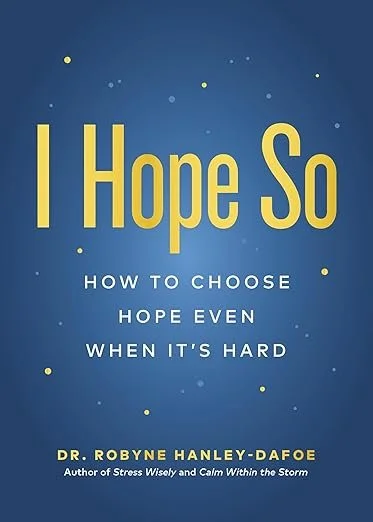
The book
I Hope So: How to Choose Hope Even When It’s Hard is Robyne’s guide to hope as a practical skill you can use in hard seasons at work and at home.
Dr. Greg Wells is a human physiologist, five-time bestselling author, Senior Scientist Emeritus at SickKids and author of 70+ peer-reviewed papers.
This podcast contains advice and information relating to health and wellness. It should be used to supplement rather than replace the advice of your doctor or another trained health professional. If you know or suspect that you have a health problem, seek your physician’s advice before embarking on any medical program or treatment. All efforts have been made to assure the accuracy of the information contained in this podcast / interview / article as of the date of publication. The author and publisher disclaim liability for any medical or other outcomes that may occur as a result of applying the methods suggested in this material.
