
Episode 261 · March 6, 2026 · 45 min



When Dr. Shimi Kang was 10 years old, she asked her older sister, a science teacher, for a model of the brain as her birthday present. She still has it, she calls it George, and she held it up for me while walking on her treadmill during our conversation. Shimi is a Harvard-trained psychiatrist, a Clinical Associate Professor at the University of British Columbia and the bestselling author of The Dolphin Parent and The Tech Solution, and she has spent 25 years helping people understand how the brain and body work together.
As a physiologist, I love how she treats the body as one connected system. When you contract your muscles, they release signaling molecules called myokines, and some of them influence your brain, your mood and your ability to learn, which is why Shimi calls muscles antidepressant organs. She brings the same lens to technology and sorts it the way you would sort food, by the chemistry it triggers in your brain.
“We have to go beyond time and understand that every life experience is metabolized, just like our food is metabolized.”
Key takeaways
Put your tech on a diet. Shimi sorts technology like food. Toxic tech, such as hate, bullying, lost sleep and hours of sitting, drives your stress hormones. Junk tech, such as mindless scrolling and gaming, runs on dopamine and is fine in small amounts. Healthy tech supports self-care, community and creativity, from a breathing app to a video call with family.
Look past screen time. Five minutes on FaceTime with a grandparent and five minutes watching violence online are very different experiences, even though the clock reads the same. Shimi’s question is what the tech does to you, because every experience is metabolized, just like food.
Protect your attention. Shimi notes that a quick check of a phone can cost more than 20 minutes before you fully refocus. The thinking cortex keeps developing into the mid-20s, which leaves young people more vulnerable to persuasive design and makes clear guidelines at home and at school worth the effort.
Honor your three brains. Shimi’s POD framework stands for play, others and downtime. Downtime calms the stress response you feel in your gut, time with others builds connection, and play means trying new things and getting comfortable with mistakes. The opposite of play, she says, is perfectionism.
Lead like a dolphin. Whether you are a parent, teacher or manager, Shimi suggests showing up firm yet flexible, moving alongside the people you lead. The shark micromanages and the jellyfish offers no structure, and neither one builds self-motivation.
Your 1% Tip
Right now, unclench your jaw, breathe in deeply and let the air out slowly through an open mouth. Shimi points out that you would never yawn or smile while running from a tiger, so a relaxed jaw and a long exhale tell your nervous system you are safe and shift you toward rest and recovery.
About Shimi
Dr. Shimi Kang is an award-winning, Harvard-trained psychiatrist, scientist and bestselling author who has practised psychiatry for 25 years. She worked at the World Health Organization early in her career, has held senior leadership roles in child and youth mental health and is a Clinical Associate Professor at the University of British Columbia. She is the author of The Dolphin Parent and The Tech Solution: Creating Healthy Habits for Kids Growing Up in a Digital World, and her Future Ready Minds program teaches young people brain science and future-ready skills.
Resources
The Tech Solution by Dr. Shimi Kang: her guide to healthy tech habits for kids and families.
The Dolphin Parent by Dr. Shimi Kang: the play, others and downtime framework for raising self-motivated kids.
Get the science in your inbox
Wells Performance Insights is my newsletter. I take the science of your body and brain and turn it into a 1% Tip you can use the same day. Sign up for Wells Performance Insights.
The book
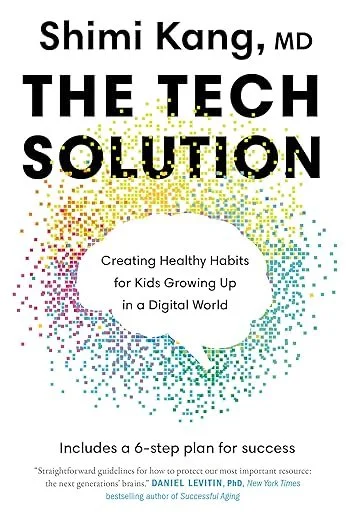
The Tech Solution: Creating Healthy Habits for Kids Growing Up in a Digital World is Shimi’s practical guide for parents and educators raising kids in a digital world.
Dr. Greg Wells is a human physiologist, five-time bestselling author, Senior Scientist Emeritus at SickKids and author of 70+ peer-reviewed papers.
This podcast contains advice and information relating to health and wellness. It should be used to supplement rather than replace the advice of your doctor or another trained health professional. If you know or suspect that you have a health problem, seek your physician’s advice before embarking on any medical program or treatment. All efforts have been made to assure the accuracy of the information contained in this podcast / interview / article as of the date of publication. The author and publisher disclaim liability for any medical or other outcomes that may occur as a result of applying the methods suggested in this material.
