
Episode 265 · May 1, 2026 · 45 min



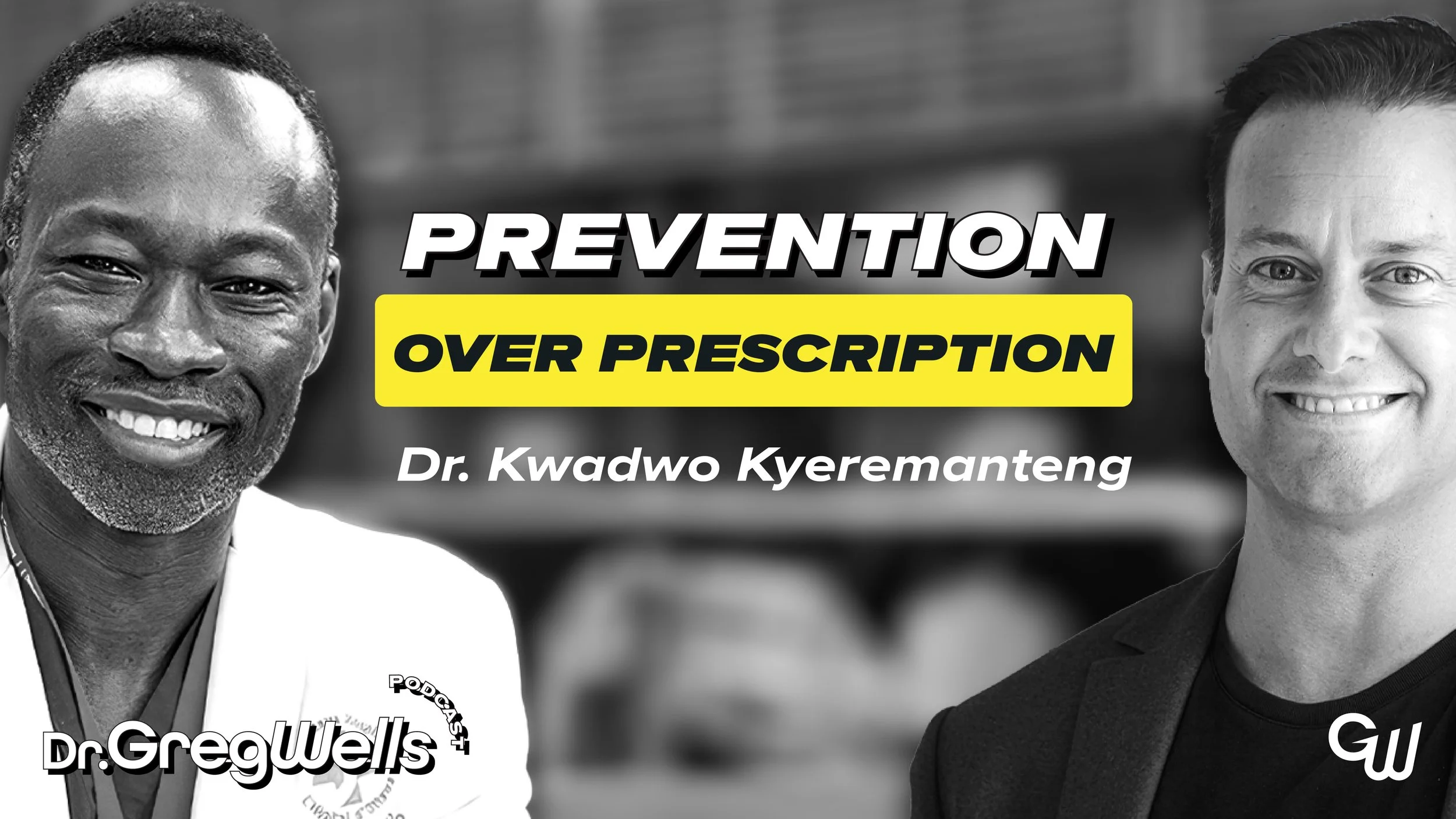
One of Dr. Kwadwo Kyeremanteng’s ICU patients, a man in his mid-70s who trained at the gym five mornings a week, survived a cardiac arrest and then did something Kwadwo had never seen: he walked while still on life support. Today he is home playing with his grandkids. Kwadwo is head of critical care at The Ottawa Hospital and the author of Prevention Over Prescription. In this conversation he walks us through his PRESS method for staying healthy and out of the ICU.
His message lands hard for me as a physiologist: frailty is what kills. When you build muscle, your muscles soak up glucose and steady your blood sugar, and when you train for power as well as strength, you keep the ability to catch yourself in a fall at 80. Kwadwo starts with purpose, then layers in small, consistent tweaks you can actually keep.
“Frailty is what kills.”
Key takeaways
Start with purpose. PRESS stands for purpose, restoration, eating, strength and social connection, and purpose comes first. When it is dark and cold in early January, your reason, whether it is being there for your grandkids or modelling health for your kids, is what gets you moving.
Name your kryptonite and plan for it. Everyone has a weak spot: late-night snacking, short sleep, stress. When you plan a healthier alternative in advance, you keep winning on the days that would otherwise knock you off course.
Choose consistency over intensity. A short workout on a day you don’t feel like it still counts. Like the Alberta farmers Kwadwo grew up around, who lifted heavy things a little every day, you build strength through steady volume you can sustain.
Build strength and power to stay independent. Muscle soaks up glucose and raises your resting metabolic rate. Power, your ability to move force quickly, fades with age and is what lets you catch yourself in a fall, so add moves like kettlebell swings.
Eat your protein first. Kwadwo aims for about 0.7 to 1 gram of protein per pound of ideal body weight. When you eat protein first, you feel fuller, and on his own glucose monitor it blunted the blood sugar spike from a starchy meal.
Your 1% Tip
At your next meal, eat the protein on your plate first, before the bread or the starch, and make that portion a little bigger than usual. It is one small tweak that helps you feel full for longer and, as Kwadwo saw on his own glucose monitor, softens the blood sugar spike that follows.
About Kwadwo
Dr. Kwadwo Kyeremanteng is head of the Department of Critical Care at The Ottawa Hospital, where he works as a critical care and palliative care physician. He is the author of Unapologetic Leadership and Prevention Over Prescription: Take Control of Your Health through Nutrition, Movement and Community, and hosts the Prevention Over Prescription podcast. He founded the Resource Optimization Network, a research group that looks for ways to improve care while reducing health care spending.
Website · Prevention Over Prescription podcast
Resources
Prevention Over Prescription by Dr. Kwadwo Kyeremanteng: the PRESS method in full.
The Prevention Over Prescription podcast: Kwadwo’s show on preventive health.
Get the science in your inbox
Wells Performance Insights is my newsletter. I take the science of your body and brain and turn it into a 1% Tip you can use the same day. Sign up for Wells Performance Insights.
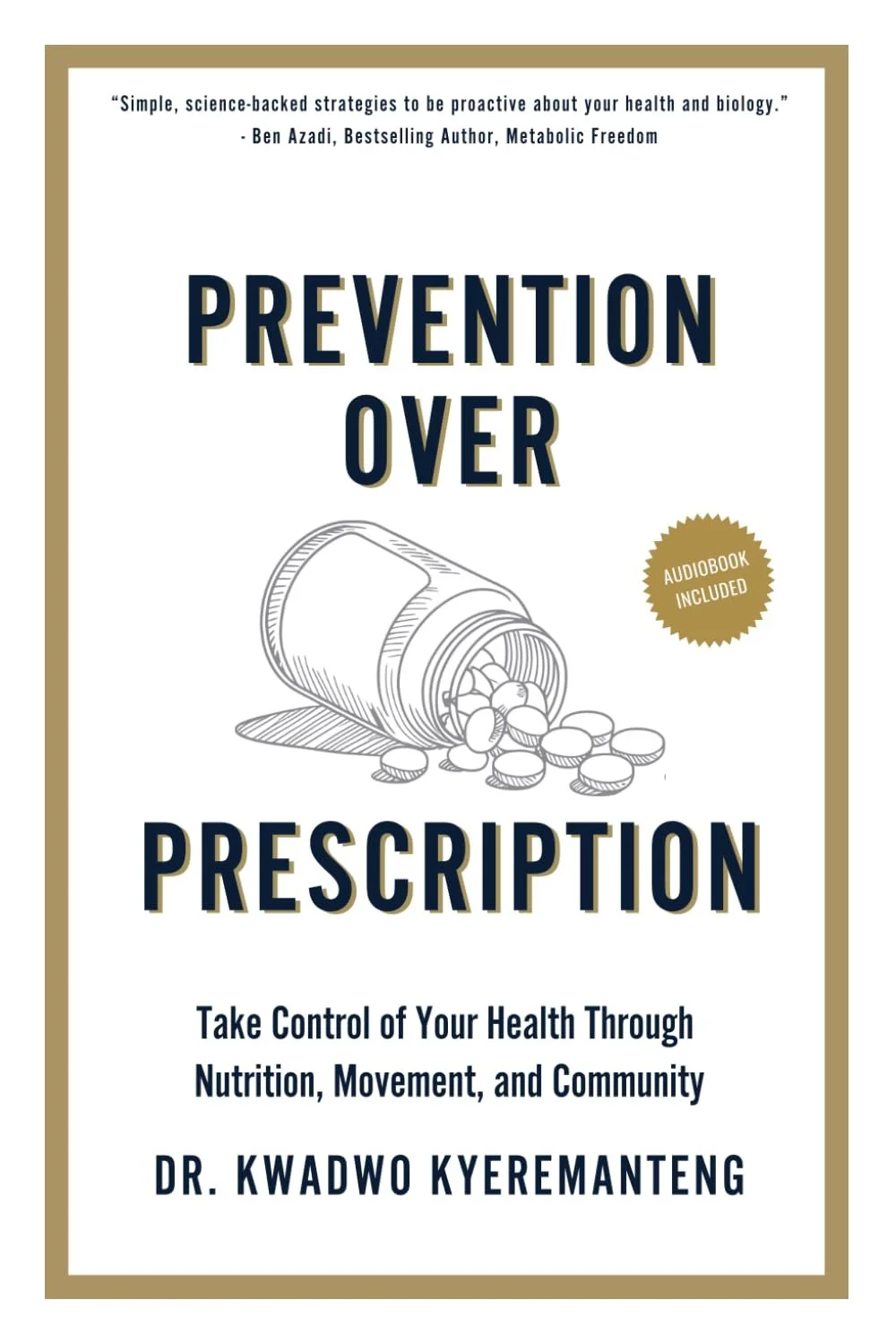
The book
Prevention Over Prescription: Take Control of Your Health through Nutrition, Movement and Community is Kwadwo’s roadmap for staying out of the ICU, built on the PRESS method.
Dr. Greg Wells is a human physiologist, five-time bestselling author, Senior Scientist Emeritus at SickKids and author of 70+ peer-reviewed papers.
This podcast contains advice and information relating to health and wellness. It should be used to supplement rather than replace the advice of your doctor or another trained health professional. If you know or suspect that you have a health problem, seek your physician’s advice before embarking on any medical program or treatment. All efforts have been made to assure the accuracy of the information contained in this podcast / interview / article as of the date of publication. The author and publisher disclaim liability for any medical or other outcomes that may occur as a result of applying the methods suggested in this material.
