

The Dr. Greg Wells Podcast



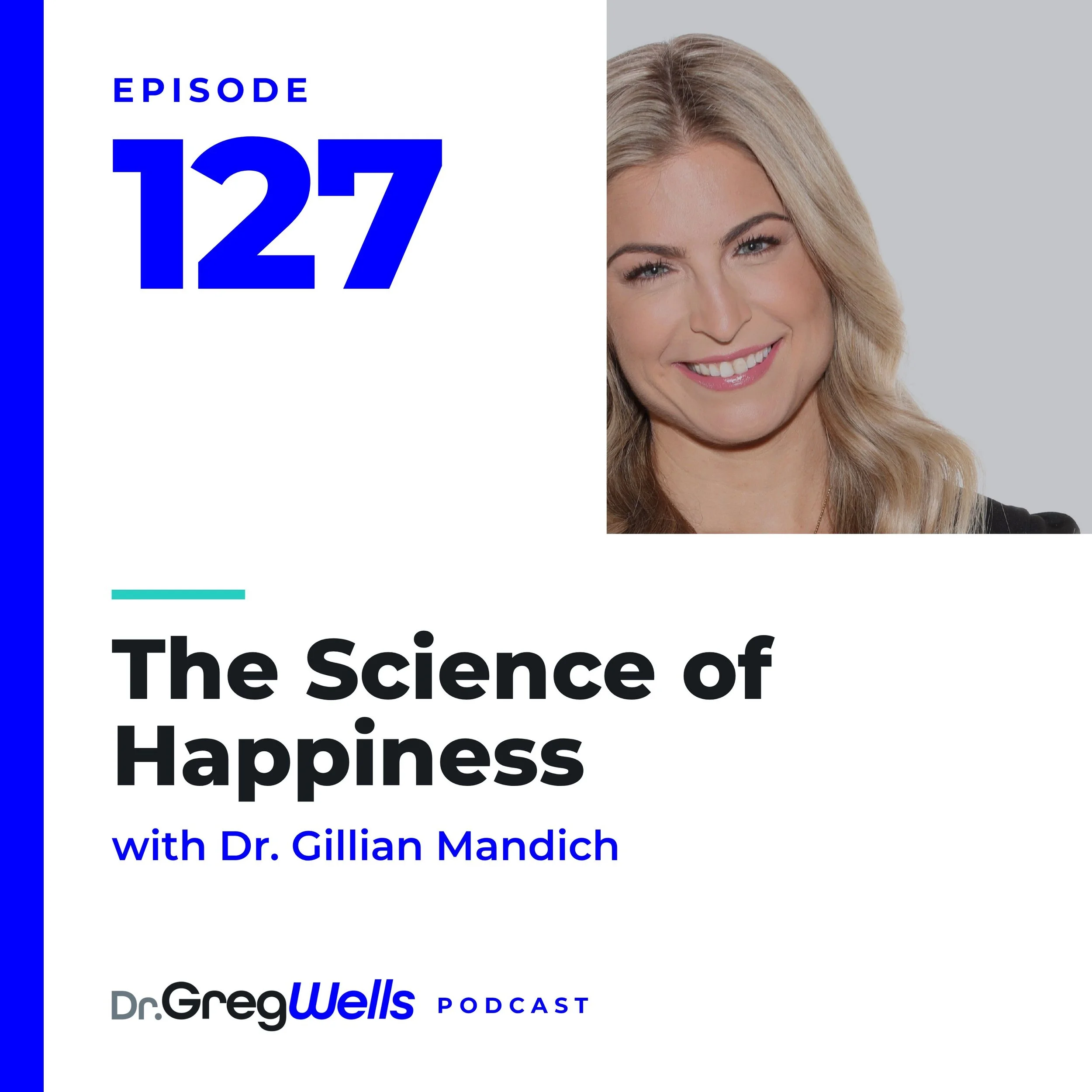
The Science of Happiness with Dr. Gillian Mandich
When I commentated the Olympics for Canadian television in 2010 and 2012, one of the first things I learned happened during the countdown: three, two, one, smile, and you are live. It struck me that in that instant you put the entire audience at ease. Happiness researcher Dr. Gillian Mandich explains why a smile does more than you might expect, and why a happier life is built from small, repeated moments of joy.
When you smile, the muscles that lift the corners of your mouth and the orbicularis oculi muscles around your eyes send signals back to your brain. Your brain responds to the smile without asking why you are smiling, which nudges how you feel. Gillian describes happiness as a muscle you can train: your genetics and your environment shape part of your happiness, and your thoughts, actions and behaviours shape the part you control.
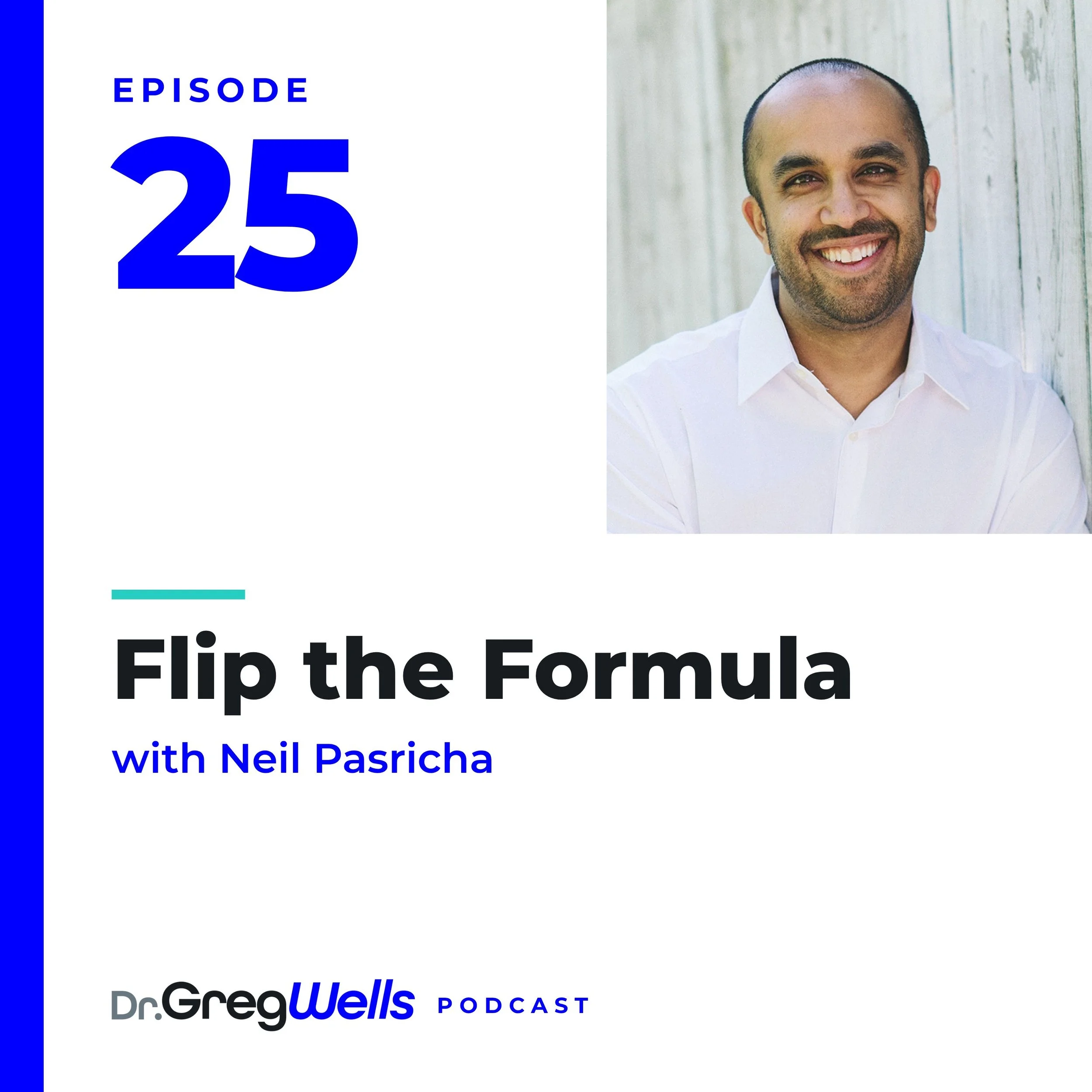
Flip the Formula with Neil Pasricha
Neil Pasricha was a best-selling author who barely read. He finished maybe five books a year, until his wife asked him how an author could not read. After three weeks with no news on their honeymoon, the world seemed loud when they got home. So he canceled his magazine and newspaper subscriptions, installed a bookshelf right beside his front door where he had to walk past it every day, canceled cable and moved the TV to the basement. That year he read 50 books. The year after, he read 100, and he says reading has made him a better dad and husband, with more compassion and empathy.
Neil’s bigger idea is that most of us were taught the formula backwards: work hard, succeed, then be happy. He flips it, so happiness comes first and the great work and success follow. The research backs him. Sonja Lyubomirsky, Laura King and Ed Diener combined 225 papers covering more than 275,000 people and found that happiness is associated with, and often comes before, many kinds of success, from fulfilling work to satisfying relationships. When you feel positive emotions often, you are more likely to work actively toward new goals and build new resources, which sets up the success you might have been waiting for before you let yourself be happy.
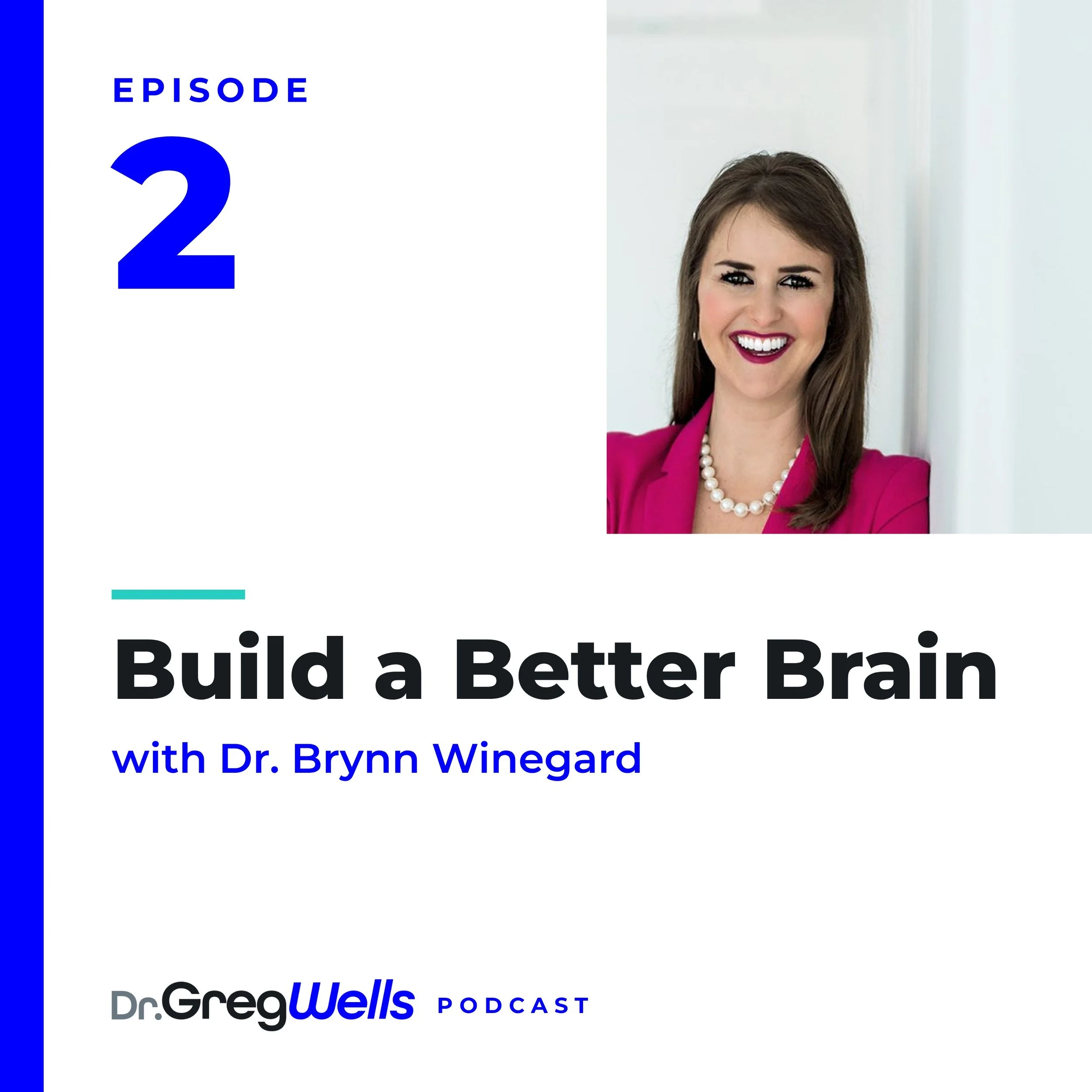
Build a Better Brain with Dr. Brynn Winegard
A personal trainer Dr. Brynn Winegard knows had clients who simply did not want to exercise, so he stopped asking them to run. He asked them to promise one thing instead. Every day, they would put on their workout clothes, tie their shoes, pull their hair back, put their earbuds in, walk out the front door and stand in the driveway. That was the whole commitment. Brynn loves the story because it captures what she teaches about motivation: starting is the hard part. Once you are dressed and standing in the driveway, the first step comes easily, and a little progress makes the next step easier still.
Brynn applies the same thinking to hard emotions. Rather than repress fear, she suggests you transform it: name it, normalize it and point its energy toward action. Researchers at Harvard tested a version of this with students preparing for the GRE. Students who were told that the physical arousal they feel before a test can help performance scored higher on the math section, both in a practice session and on the real exam one to three months later (Jamieson et al., 2010). Habits build one repetition at a time. In a study of 111 new gym members, it took at least four workouts a week for about six weeks before exercise became a habit, and doing it consistently was the strongest predictor of success (Kaushal and Rhodes, 2015).