

The Dr. Greg Wells Podcast



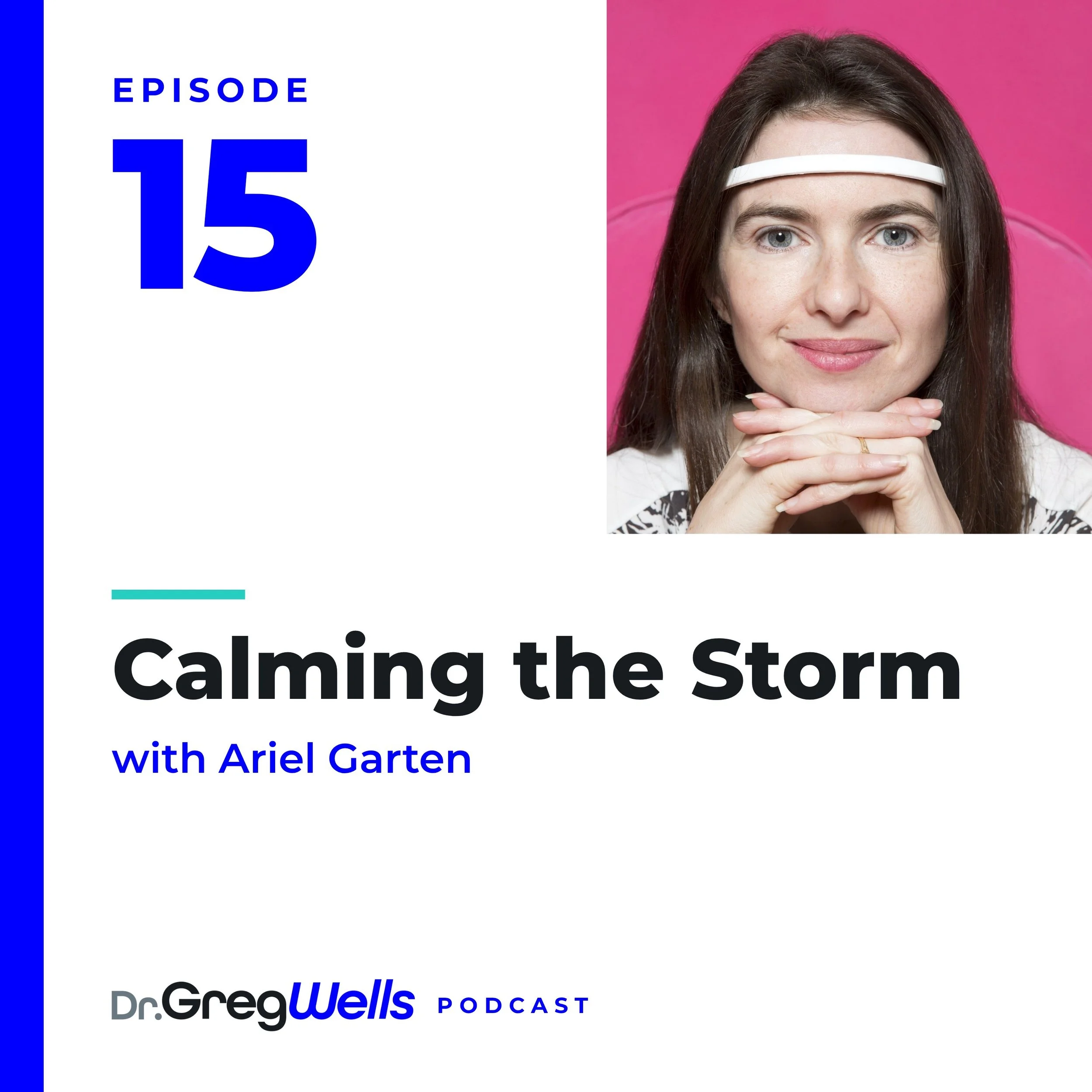
Calming the Storm with Ariel Garten
At the Vancouver 2010 Winter Olympics, Ariel Garten and her co-founders built an installation that let visitors control the lights on Toronto’s CN Tower, Niagara Falls and the Parliament buildings in Ottawa using only their brain activity, thousands of kilometres away. On the last night of the Games, Ariel’s parents drove to Niagara Falls. She sat down in the installation, looked up at the live feed and, one by one, turned the lights on the Falls pink for her mom. Years later, a concussion gave her a very different lesson in her own brain. She found that meeting each new symptom with curiosity, instead of anxiety, kept her out of the stress spiral that made everything harder.
Ariel’s favourite tool for nerves before a talk is to reinterpret the feeling. The rising energy in your body before you walk on stage can be read as nervousness or as excitement. Alison Wood Brooks at Harvard Business School tested exactly this. People who said “I am excited” before singing karaoke, giving a speech or doing difficult math performed better than people who tried to calm down, and they felt more excited. Anxiety and excitement are both high-arousal states, so it is easier to move from one to the other than to force yourself all the way down to calm. When you name the feeling as excitement, you shift toward an opportunity mindset, which lets you channel that energy into the performance.
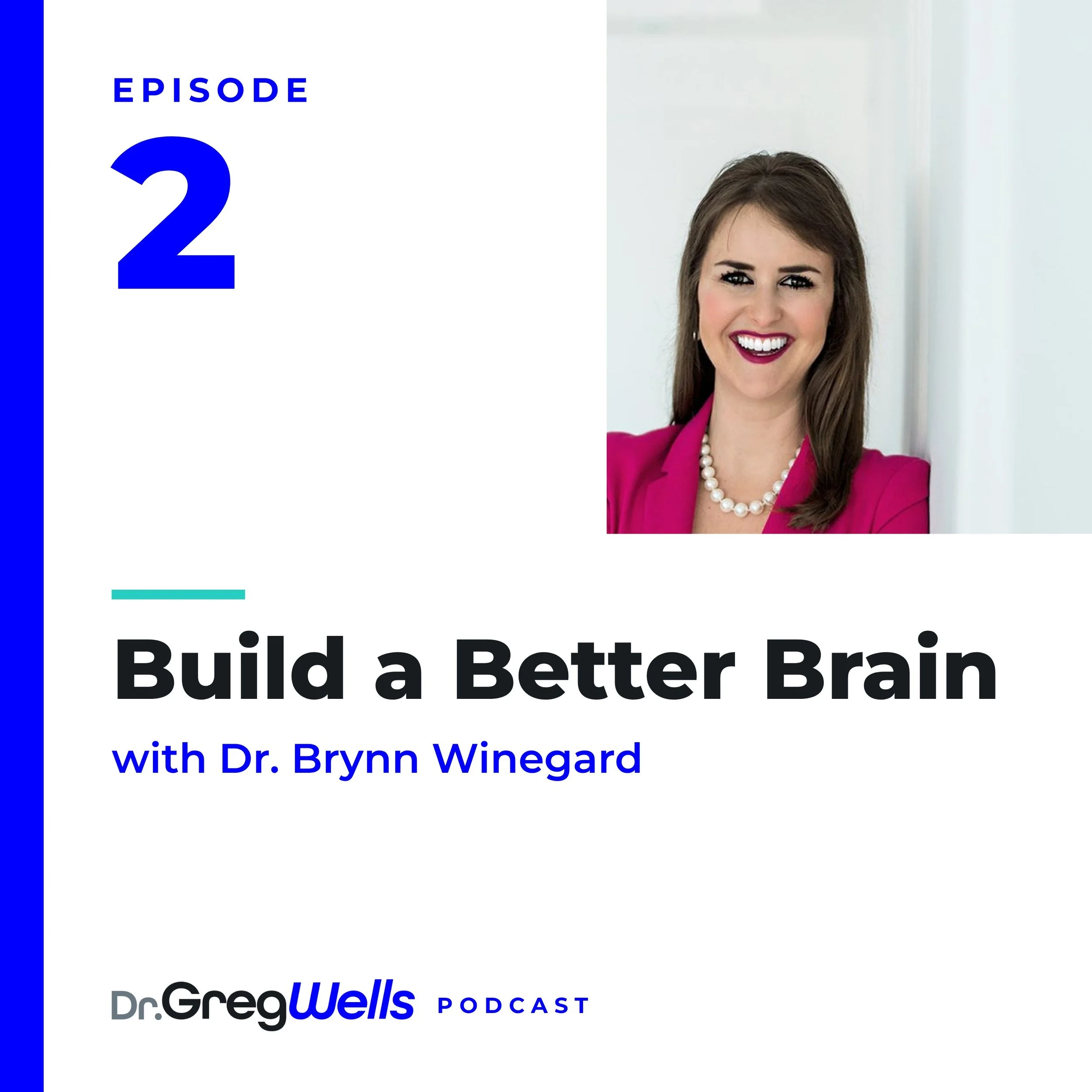
Build a Better Brain with Dr. Brynn Winegard
A personal trainer Dr. Brynn Winegard knows had clients who simply did not want to exercise, so he stopped asking them to run. He asked them to promise one thing instead. Every day, they would put on their workout clothes, tie their shoes, pull their hair back, put their earbuds in, walk out the front door and stand in the driveway. That was the whole commitment. Brynn loves the story because it captures what she teaches about motivation: starting is the hard part. Once you are dressed and standing in the driveway, the first step comes easily, and a little progress makes the next step easier still.
Brynn applies the same thinking to hard emotions. Rather than repress fear, she suggests you transform it: name it, normalize it and point its energy toward action. Researchers at Harvard tested a version of this with students preparing for the GRE. Students who were told that the physical arousal they feel before a test can help performance scored higher on the math section, both in a practice session and on the real exam one to three months later (Jamieson et al., 2010). Habits build one repetition at a time. In a study of 111 new gym members, it took at least four workouts a week for about six weeks before exercise became a habit, and doing it consistently was the strongest predictor of success (Kaushal and Rhodes, 2015).