

The Dr. Greg Wells Podcast



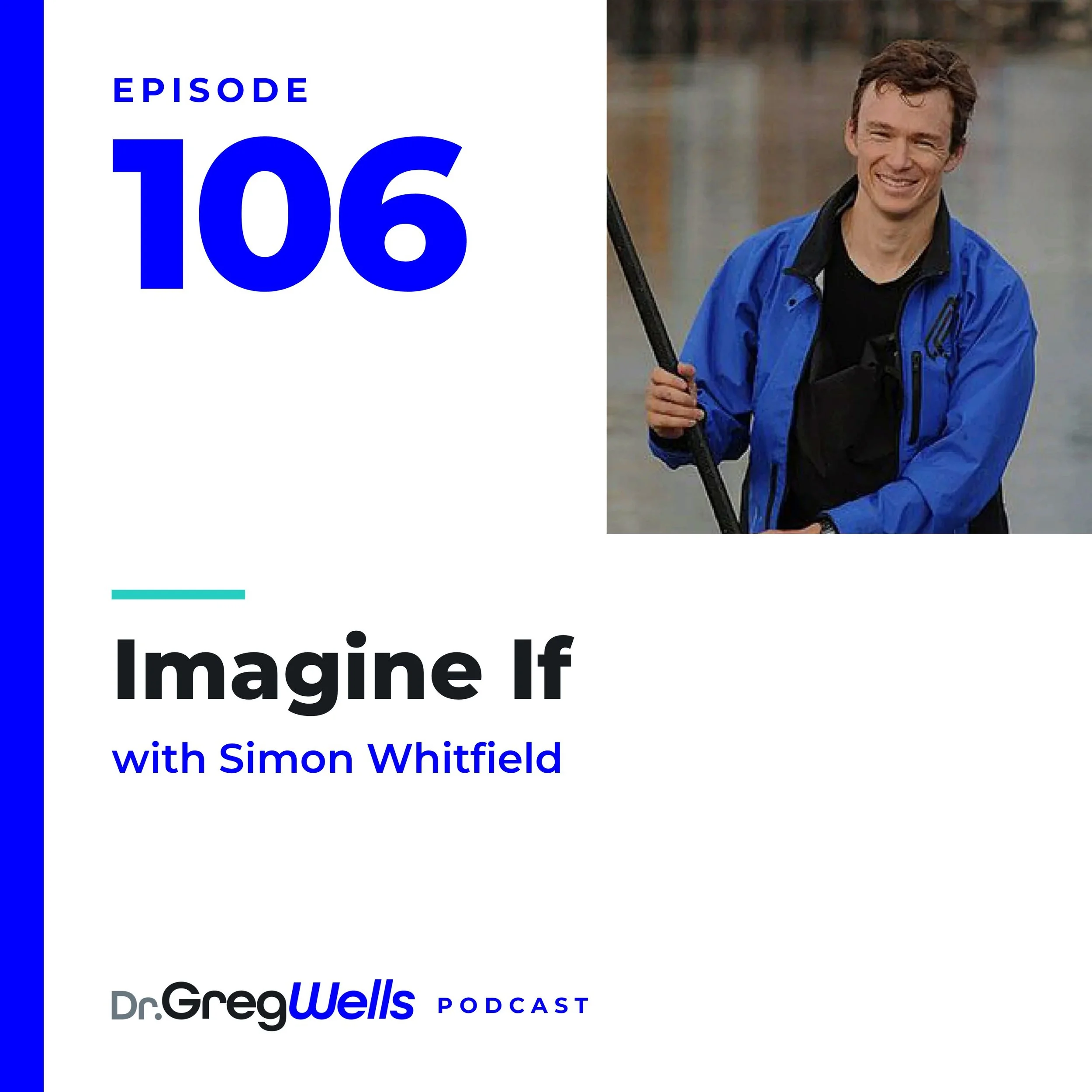
Imagine If with Simon Whitfield
I remember the finish of the men’s triathlon at the Sydney 2000 Olympics. Simon Whitfield came from the middle of the field and passed the leader, Stephan Vuckovic of Germany, less than 300 metres from the line to become the first Olympic champion in men’s triathlon. What struck me most was how happy all three medalists were at the finish. Simon told me that by race day he had seen it unfold so many times in his mind’s eye that the race felt like a story he had already watched. Years earlier, he had written two words in his training log: imagine if.
Mental rehearsal is a skill you can train. When you rehearse a race, a presentation or a hard conversation in detail, you practise the decisions before you face them, so that on the day you recognize the situation and respond. A meta-analysis in the Journal of Applied Psychology found that mental practice has a positive and significant effect on performance, with the strongest effects on tasks that involve a lot of thinking and decision-making. Simon pairs it with what he calls the do-nothing defense: when you feel the urge to react, you take one more slow breath through your nose. That breath steadies you long enough to choose your move.
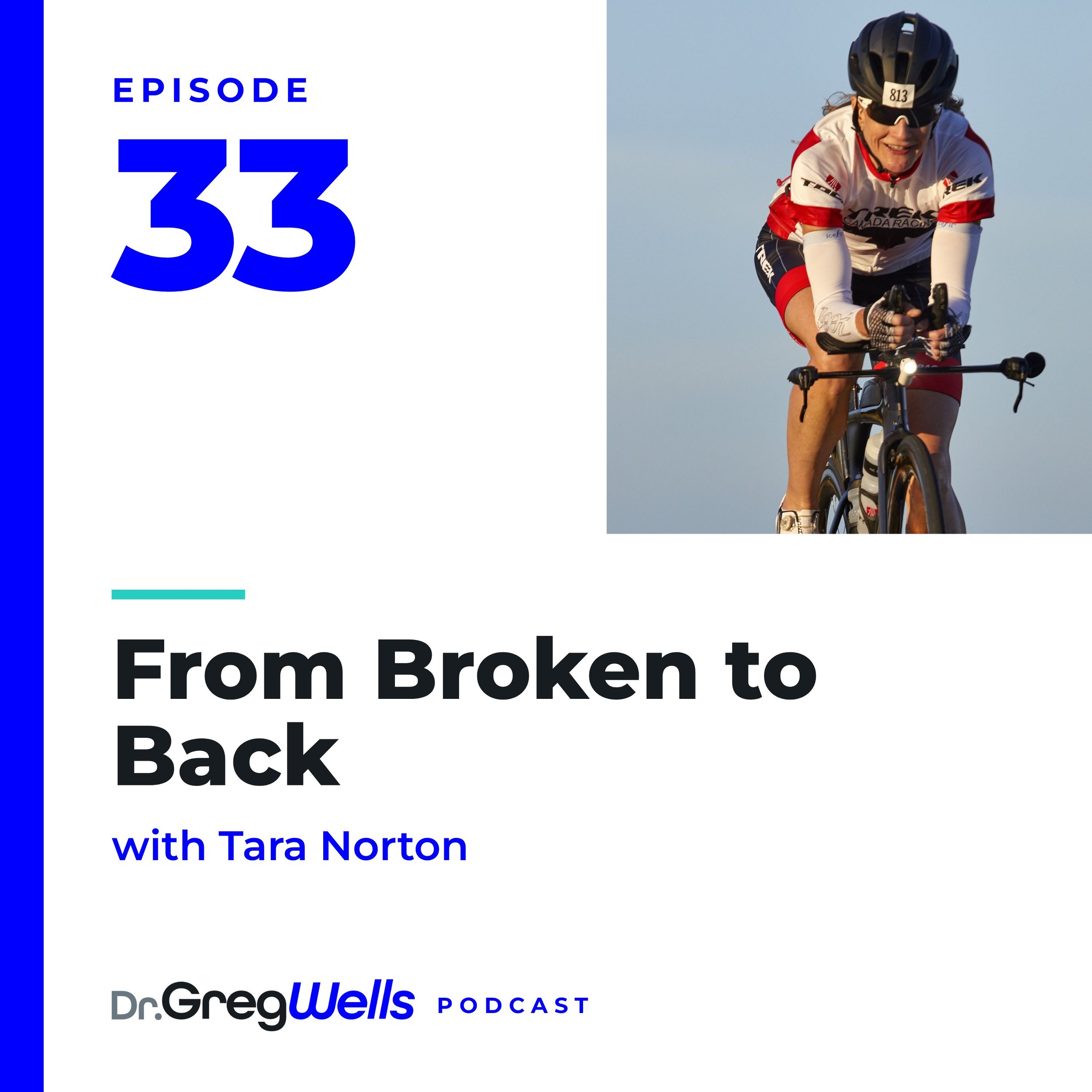
From Broken to Back with Tara Norton
Tara Norton and I have been friends since grade six, and I have watched her whole career unfold. She became a professional Ironman triathlete, and then she started breaking bones: 24 of them over her career, including nine in a training crash when her bike’s front fork failed and 11 when she hit a volunteer who ran onto the course at the Ironman World Championship in Hawaii. In 2016 she raced Ultraman on a fractured femur and spent the next two years in rehab, unsure she would run again. In 2018, at age 47, she won the Ultraman World Championship.
Tara credits a mental coach for much of her comeback. He taught her that mental strength starts with awareness: naming what she was really afraid of, acknowledging a cramp instead of fighting it, and seeing that even her worst case still left room for a life she loved. Out of that came her mantra, “all is great.” Research on optimism points the same way. In a study of men recovering from coronary artery bypass surgery, Michael Scheier and colleagues found that the most optimistic patients recovered faster in the days after surgery, returned to their normal activities sooner and reported a better quality of life six months later. When you expect things to work out, you are more likely to keep coping actively, which keeps you doing the rehab and the small steps that recovery depends on.
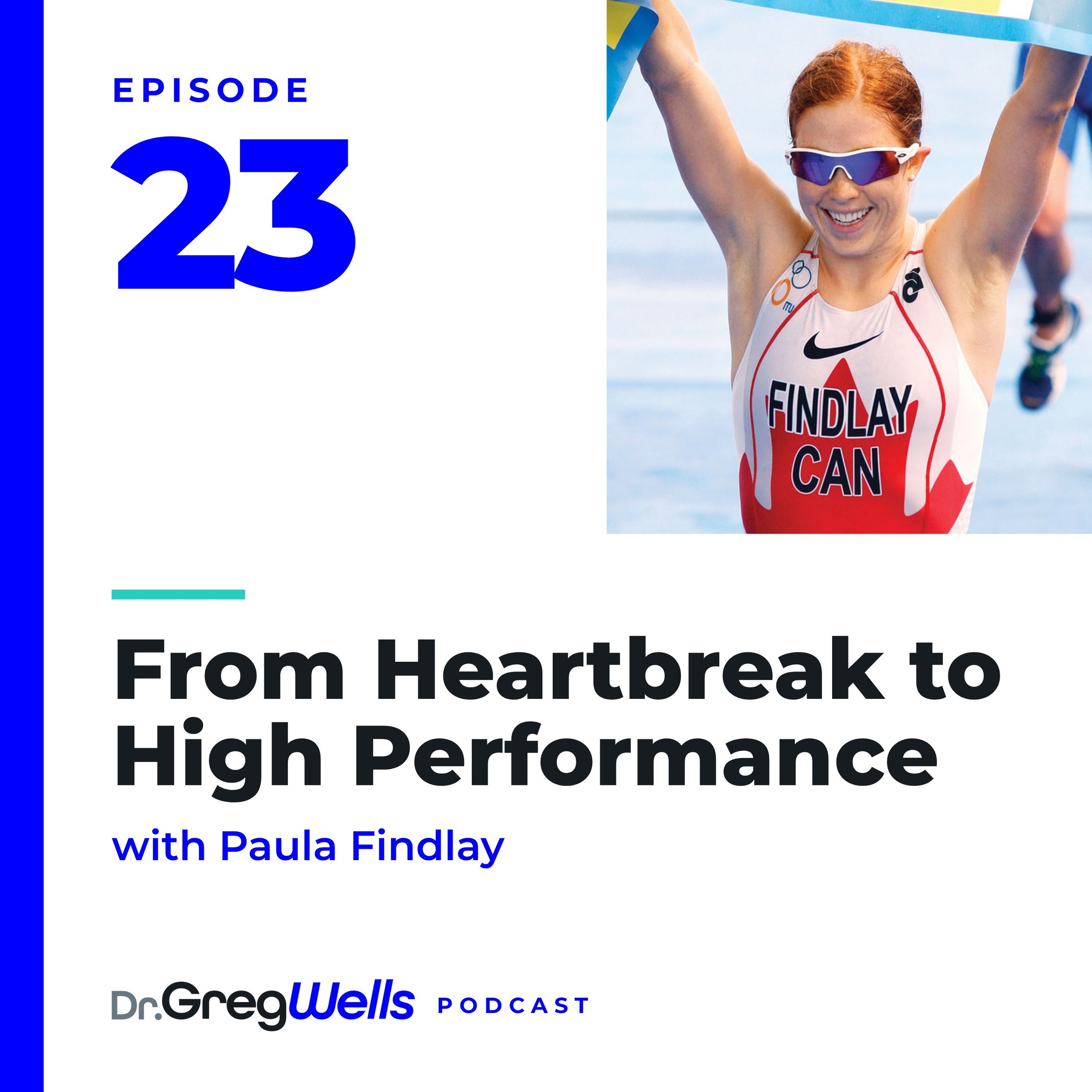
From Heartbreak to High Performance with Paula Findlay
I was commentating at the 2012 London Olympics when Paula Findlay raced the women’s triathlon. She had won five World Triathlon Series races in two seasons, her face was on cereal boxes and billboards across Canada, and she was a favourite for the podium. What almost nobody knew was that she had been injured for about 10 months and had kept training through it. In London she was far back after the swim, dropped off the last pack and was lapped by the leaders. She crossed the line last, in tears, apologizing for letting everyone down.
Her comeback took years, and it was built on something unglamorous. Her coach put her on what he called the get fit plan: 5 kilometres of swimming six days a week with no fancy sets, long easy rides and a run almost every day. Nothing looks hard on paper. The day-in, day-out consistency is the point, because it builds a huge base and keeps her healthy. Tim Gabbett’s review of the training load research explains why. Athletes who are accustomed to high training loads get injured less than athletes who train less, and the biggest injury risk comes from sudden spikes in load. When you build your training steadily, your tissues adapt to the work, which lets you handle more without breaking down. Within months, Paula was winning again at the half-iron distance.