

The Dr. Greg Wells Podcast



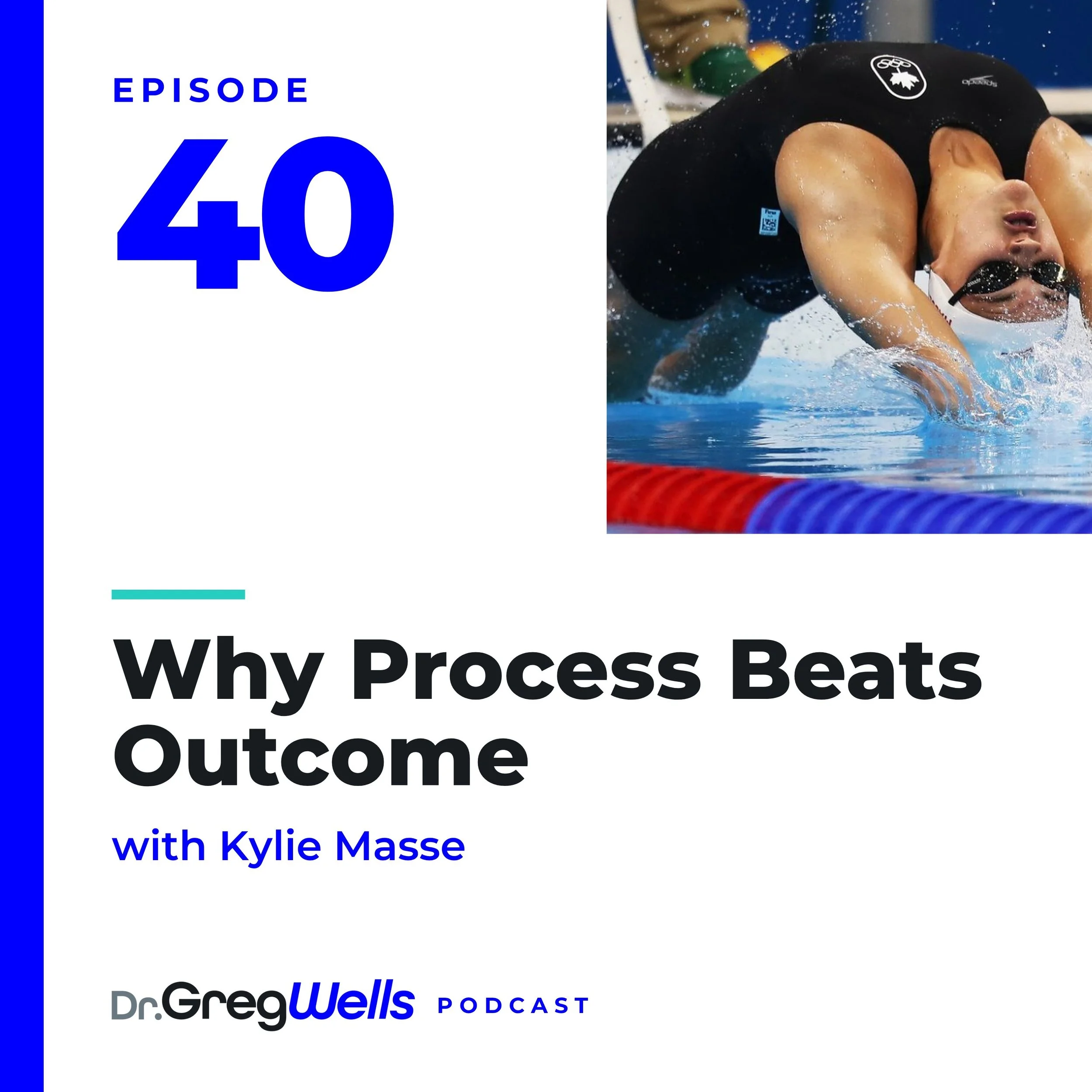
Why Process Beats Outcome with Kylie Masse
I grew up as a swimmer, and before one race when I was nervous, a coach told me that a billion people in China did not care about it. It put the race in perspective instantly. Kylie Masse learned her own version of that lesson. She grew later than many of her teammates and watched friends pass her in the pool, and she kept going because practice with her training group was fun. That foundation carried her to an Olympic bronze medal in Rio in 2016 and a world record in the 100-metre backstroke a year later.
Kylie has learned that the more she thinks during a race, the worse she swims. Research on skilled performance explains why. When Sian Beilock’s team had experienced golfers and soccer players attend to the step-by-step details of their movement, they performed worse than when their attention was on something else, while novice soccer players showed the opposite pattern. When you have trained a skill thousands of times, it runs best on autopilot, and attending to each step interrupts the smooth, automatic control your brain has built. Kylie trusts her preparation, focuses on the process instead of the result and uses music and laughter with teammates to keep her mind from overanalyzing.
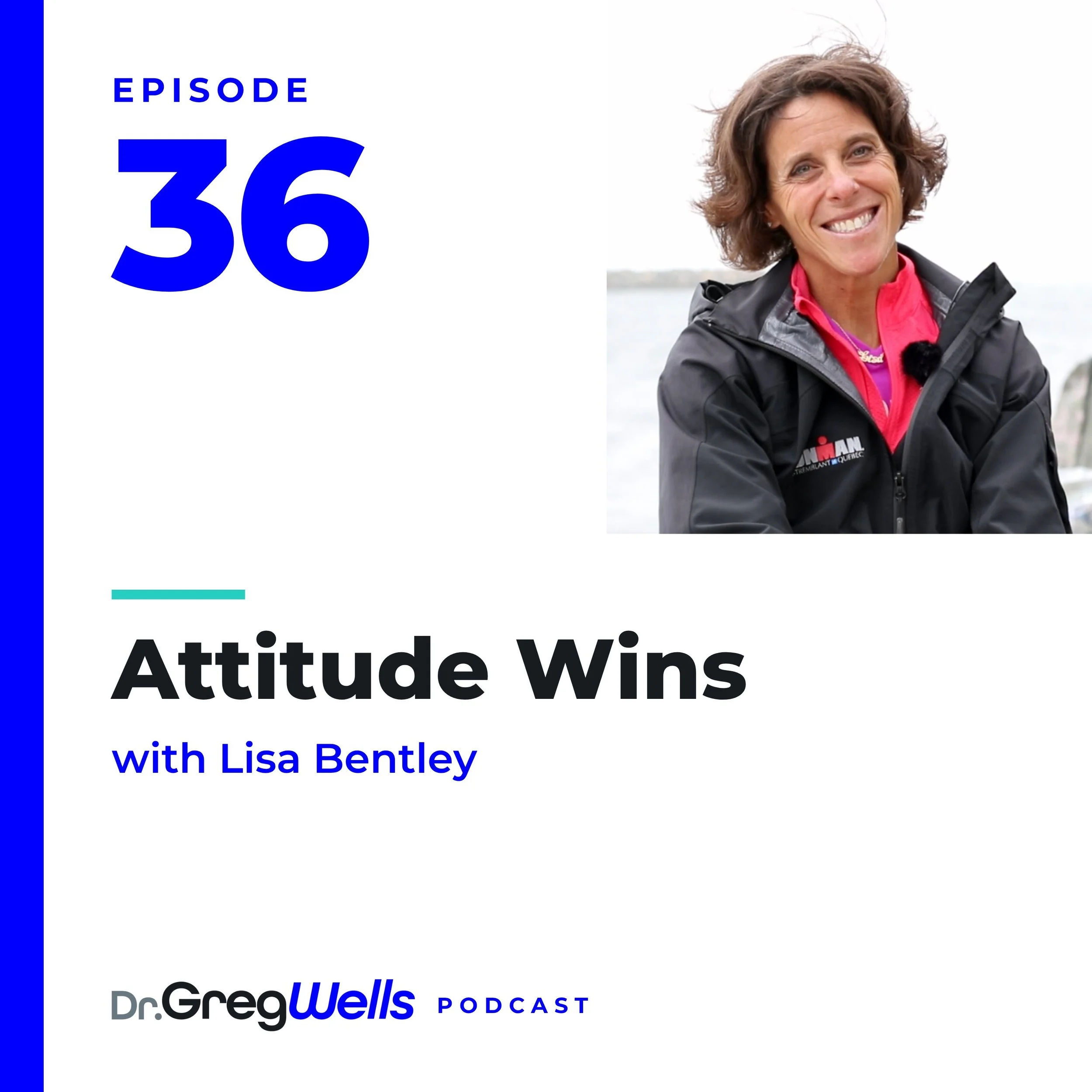
Attitude Wins with Lisa Bentley
In 2007, Lisa Bentley could barely put on a shoe. An Achilles injury had forced her to walk half the marathon at Ironman Australia, and as Ironman Canada approached she was running only every 48 hours, with a longest run of 90 minutes. The day before the race, a stranger handed her a photo of Terry Fox dipping his foot in the ocean at the start of the Marathon of Hope, with his words on the back: one step at a time, one telephone pole at a time, one mile at a time. Lisa repeated that line all day and won the race.
Lisa’s race-week preparation was an extra half hour in bed each morning, rehearsing the entire course in her mind, including the problems: a flat tire, dropped nutrition, losing the swim pack, falling 10 minutes behind. For each one she pictured exactly how she would respond. Psychologists call this kind of if-then planning an implementation intention. In a meta-analysis of 94 studies, Peter Gollwitzer and Paschal Sheeran found that people who formed if-then plans reached their goals substantially more often than people who only set the goal. When you decide in advance that if a specific problem happens you will do a specific thing, the situation itself triggers your response, so you spend less energy deciding under pressure.
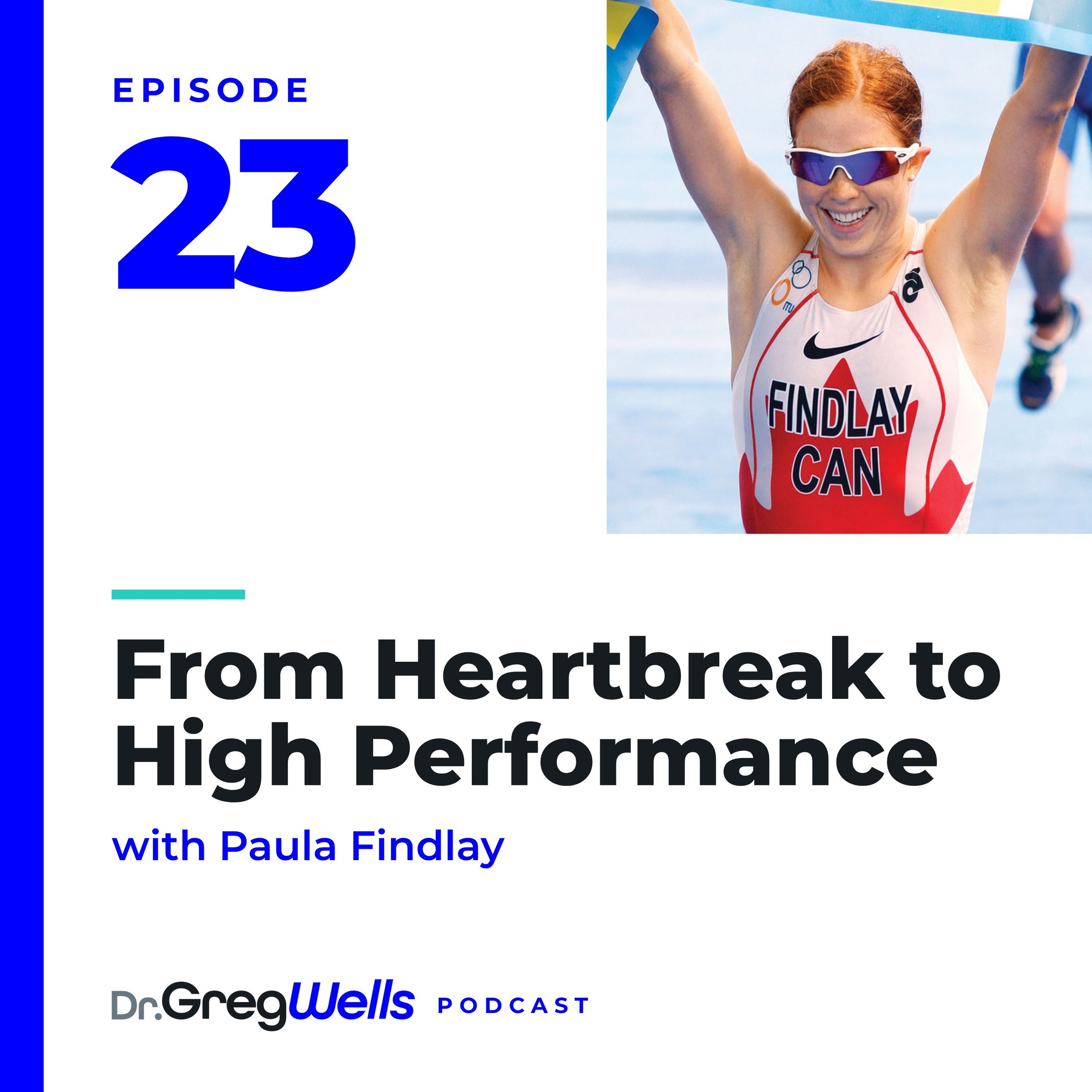
From Heartbreak to High Performance with Paula Findlay
I was commentating at the 2012 London Olympics when Paula Findlay raced the women’s triathlon. She had won five World Triathlon Series races in two seasons, her face was on cereal boxes and billboards across Canada, and she was a favourite for the podium. What almost nobody knew was that she had been injured for about 10 months and had kept training through it. In London she was far back after the swim, dropped off the last pack and was lapped by the leaders. She crossed the line last, in tears, apologizing for letting everyone down.
Her comeback took years, and it was built on something unglamorous. Her coach put her on what he called the get fit plan: 5 kilometres of swimming six days a week with no fancy sets, long easy rides and a run almost every day. Nothing looks hard on paper. The day-in, day-out consistency is the point, because it builds a huge base and keeps her healthy. Tim Gabbett’s review of the training load research explains why. Athletes who are accustomed to high training loads get injured less than athletes who train less, and the biggest injury risk comes from sudden spikes in load. When you build your training steadily, your tissues adapt to the work, which lets you handle more without breaking down. Within months, Paula was winning again at the half-iron distance.
Compete Against Yesterday with Jake Thompson
Jake Thompson grew up a smaller kid in Texas, where football is close to a religion, and competition was how he proved he could outwork more talented opponents. Then, like every athlete, he had to retire from the game he loved. For years afterward he compared himself to everyone around him and everyone he saw online, and it drained him. The shift came on a run. He pictured a 100-metre sprinter who glances left and right to check on the rest of the field, and how that glance costs speed. Jake realized he had been spending his life looking into other people’s lanes. He decided to compete against yesterday’s best instead, and that idea became Compete Every Day, a brand he started in 2011 by selling T-shirts out of the trunk of his car behind a CrossFit gym.
Comparison is built into how you judge yourself, and social media turns up the volume. Researchers at the University of Toledo found that people who used Facebook most often had lower self-esteem, and that the link ran through more frequent upward comparisons with people who seemed to be doing better. In a follow-up experiment, simply viewing a profile with an active social life and healthy habits lowered people’s self-esteem in the moment (Vogel et al., 2014). You see the highlight reel of someone else’s life next to the full, unedited version of your own. When you compete against your own yesterday, you compare yourself with someone whose whole story you know, and you control every input.
Endure with Dr. Alex Hutchinson
When Nike set out to break two hours in the marathon, it spent tens of millions of dollars on the attempt, including pacemakers who ran in an arrowhead formation tested in a wind tunnel so the runners could draft. Alex Hutchinson, a former national-team runner who spent a decade writing his book on endurance, went back and looked at photos from the last four marathon world records. In every one, the record-setters were running beside their pacemakers, out of the draft. What they wanted from those pacemakers was company. Alex lives this himself. With precious little free time, he and his wife spend their Saturday mornings driving across Toronto to do their hardest workout of the week with a group of friends.
Researchers at Oxford put a number on that pull. Twelve rowers from the Oxford squad each rowed hard for 45 minutes on rowing machines, once alone and once alongside their teammates, synchronized as a virtual boat. Their pain thresholds rose after both sessions, and they rose about twice as much after rowing together, a sign of a bigger surge of endorphins (Cohen et al., 2010). Your environment shapes you too. In Toronto, researchers matched more than half a million street trees with health data from over 31,000 residents and found that having 10 more trees on a city block was linked to better health perception, comparable to a $10,000 raise or being seven years younger (Kardan et al., 2015).