

Topic:
SLEEP SOUNDLY
Sleeping Soundly As the Foundation for Wellbeing
Featured Articles on Sleeping Soundly







1% Tips and Micro Wins
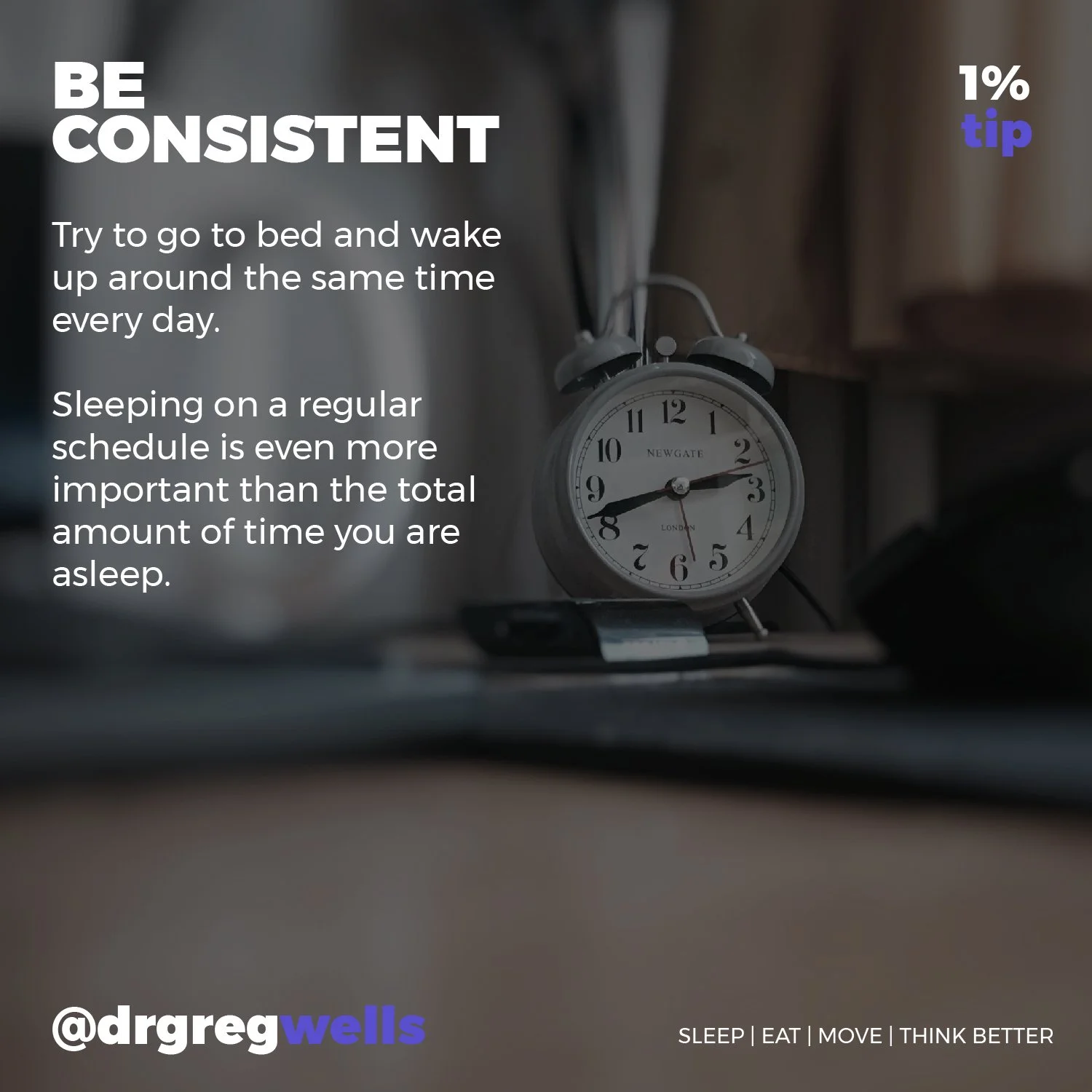
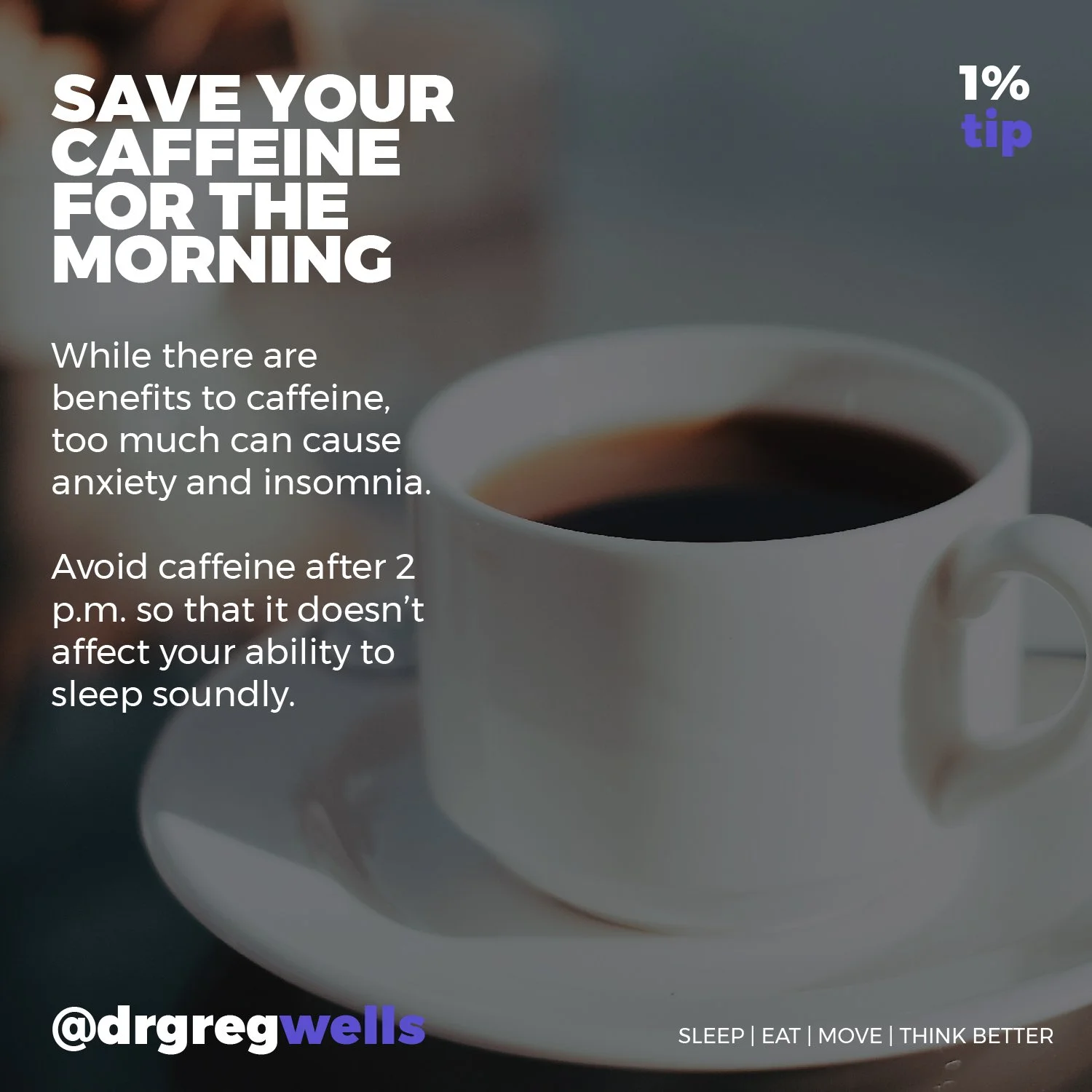
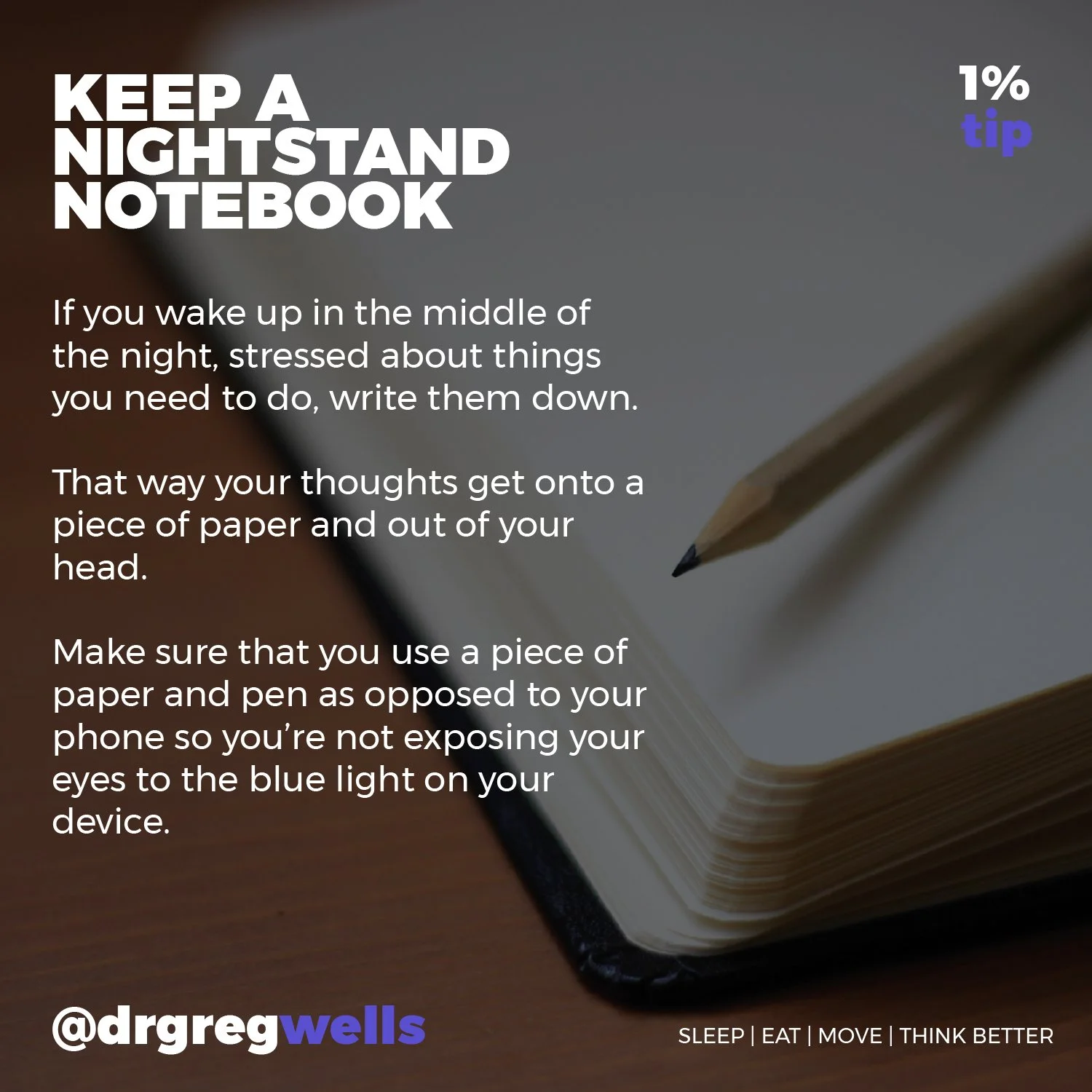
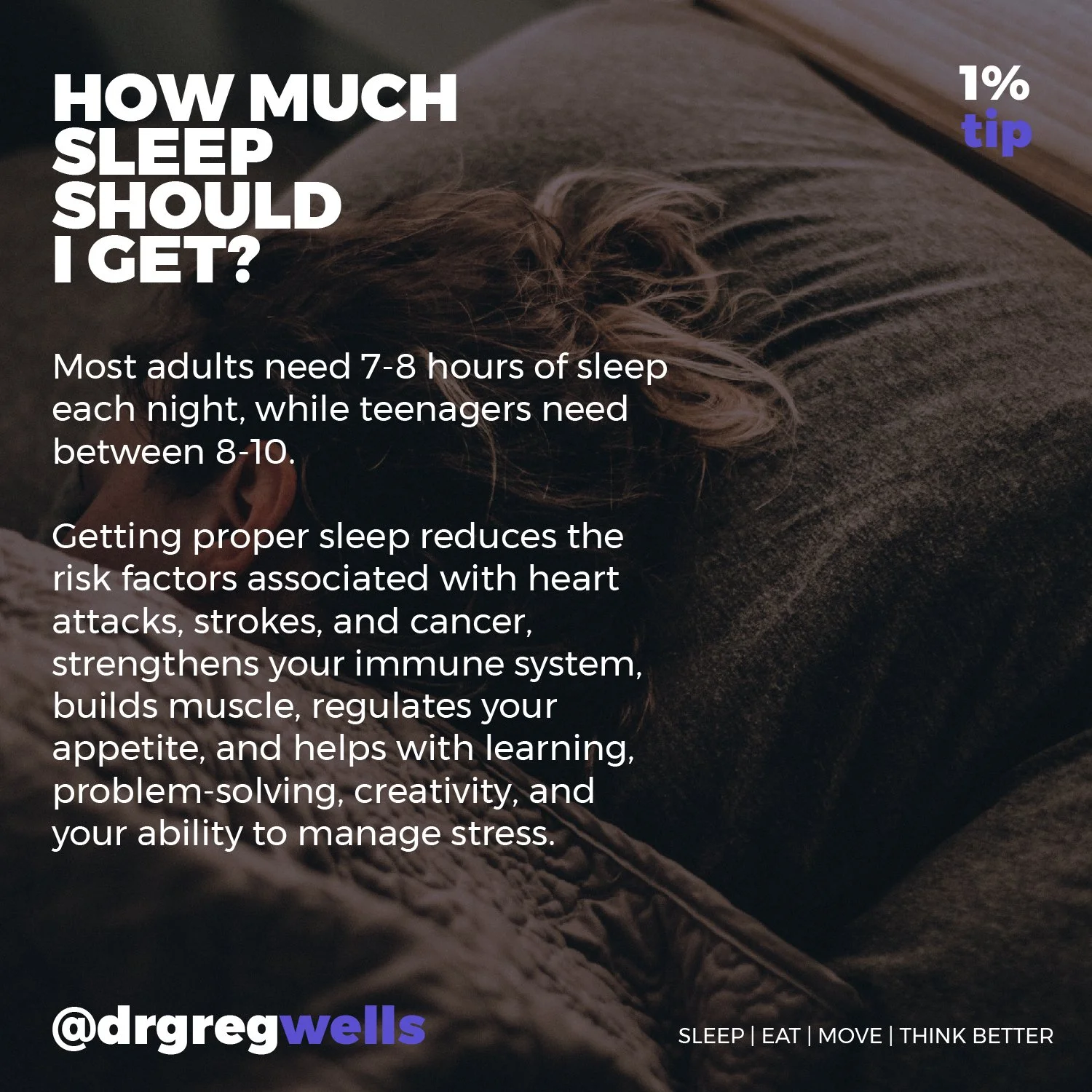

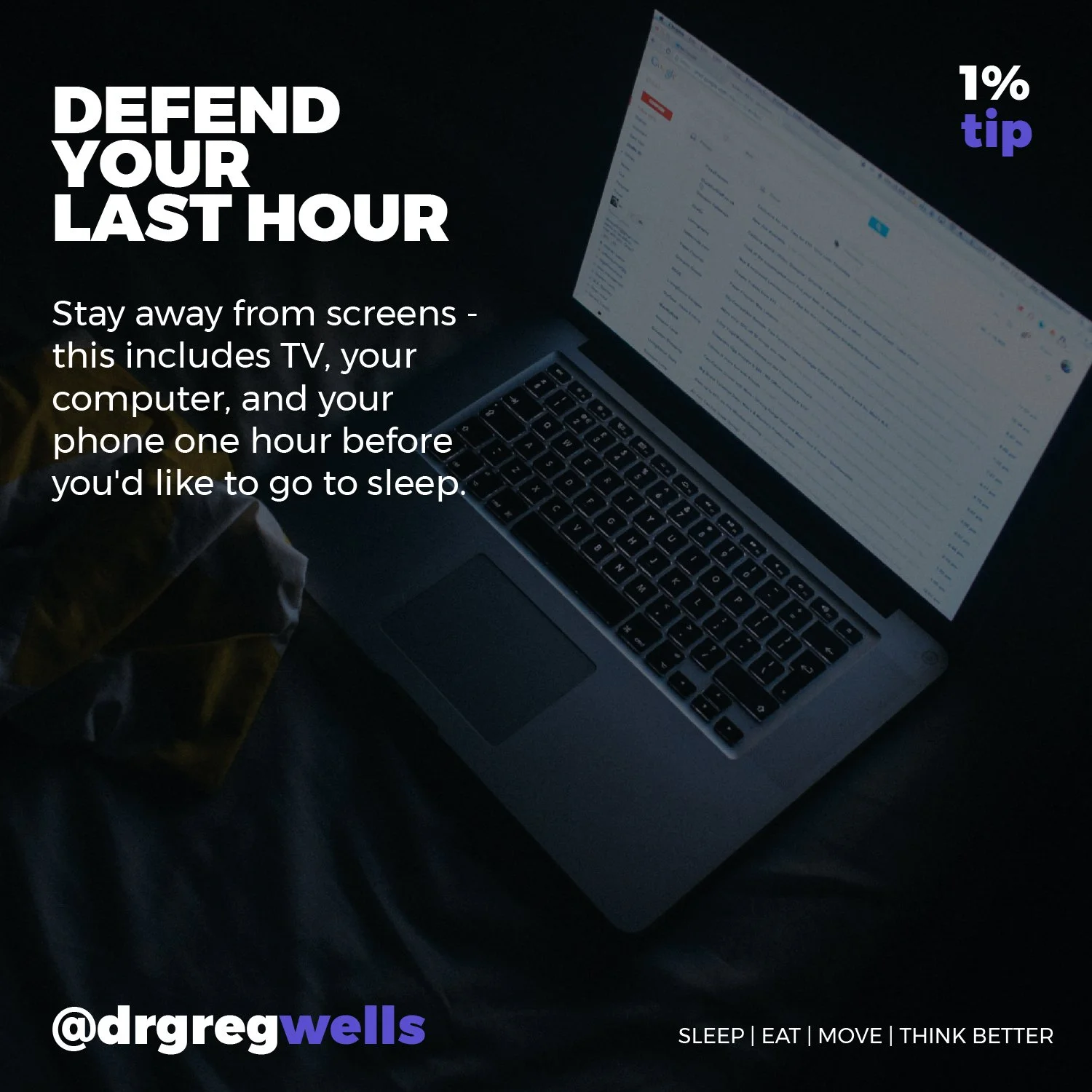
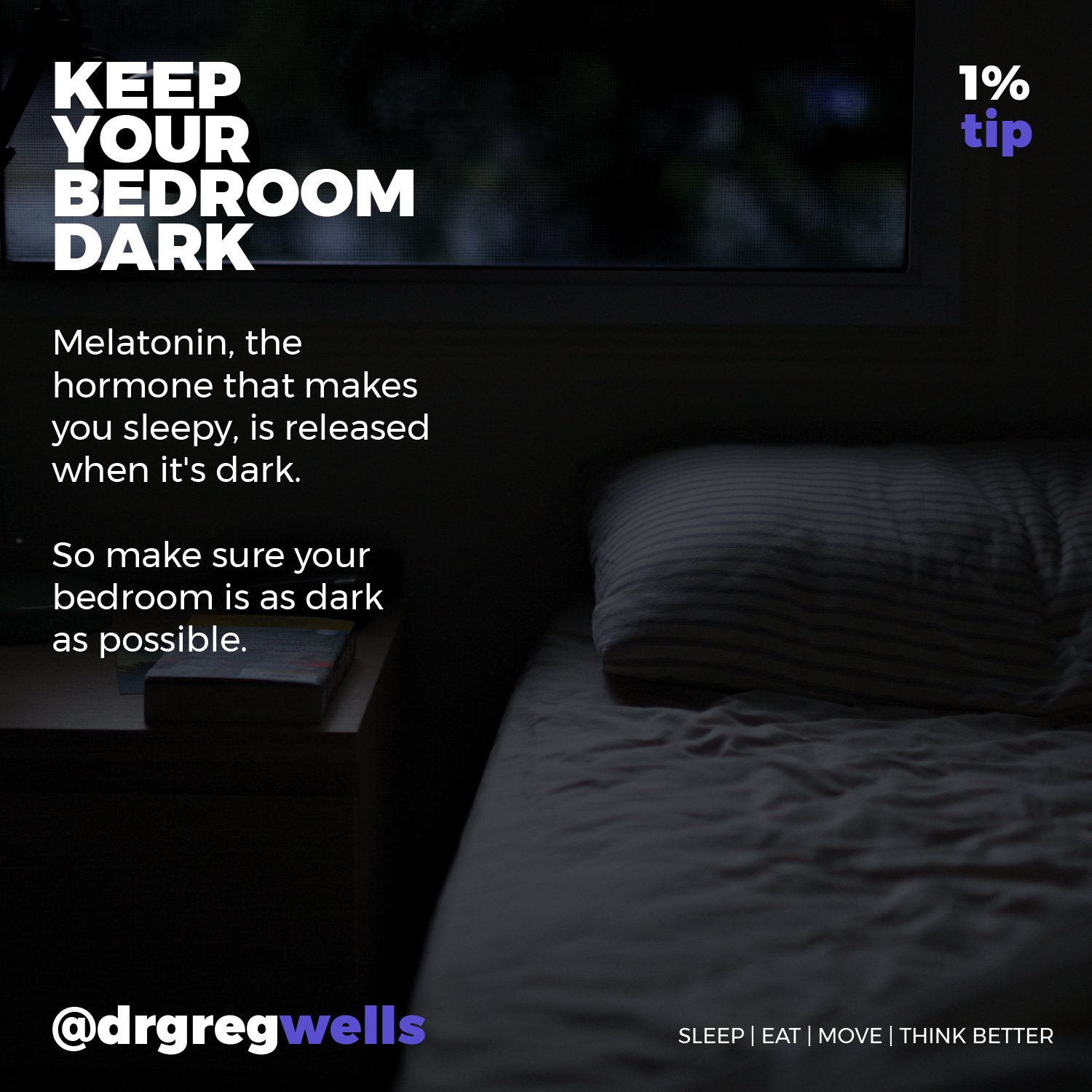
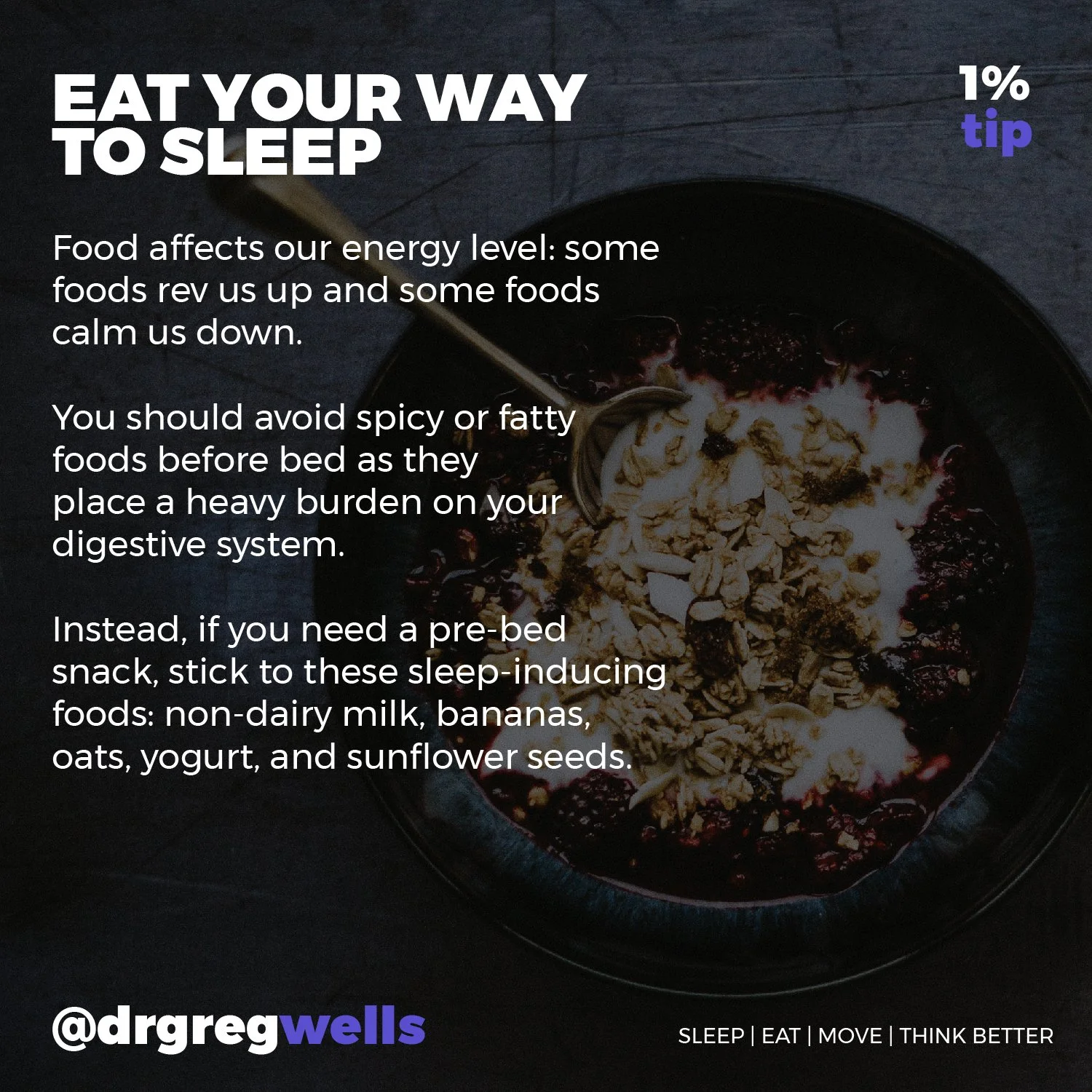
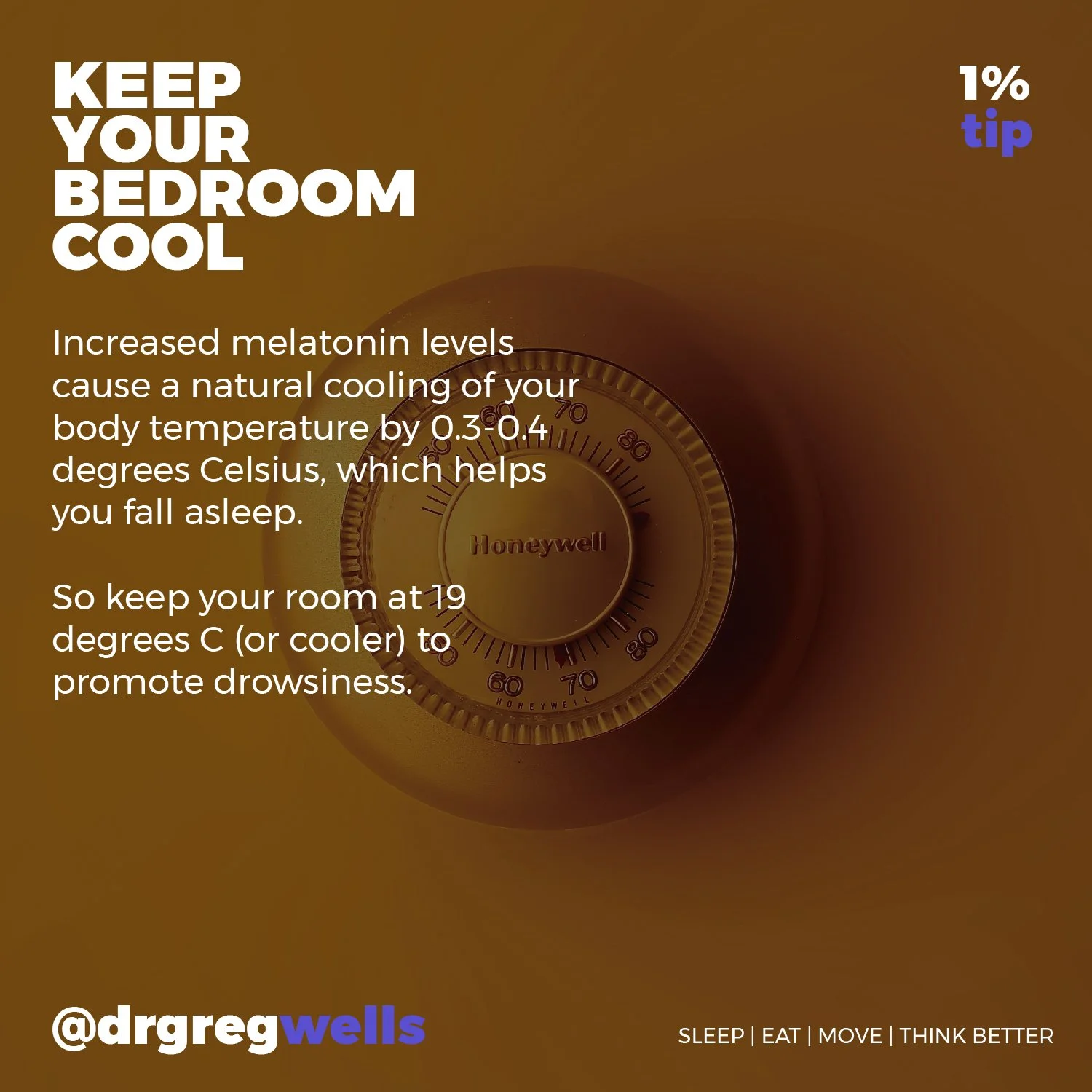


We sleep 20% less than people a century ago, and our health is paying the price. Sleep deprivation increases cancer and CVD risk, triggers insulin resistance, and damages your brain. It's time to prioritize the ultimate performance drug: sleep.
Your best ideas rarely arrive when you’re grinding at your desk. They appear in the shower, on a walk, or staring at the ocean. This isn’t laziness, it’s brain science. Strategic rest might the missing piece in your performance plan.
When you have an entire day to recharge, the possibilities for profound restoration open up. This time allows the body and mind to undergo deeper recovery processes, from muscle rebuilding to memory consolidation.
From the time we wake up until we go to bed, most of us are exposed to bright, blue-light-emitting devices. However, this modern-day convenience comes with a significant downside: prolonged light exposure disrupts our natural rhythms and negatively impacts our health. Allowing for darkness and establishing routines that honor our biological need for nighttime can greatly improve our health and well-being.
Quality sleep supports the immune system, aids in muscle recovery, and reduces the risk of chronic conditions such as heart disease and diabetes. It also boosts concentration, memory, and problem-solving abilities.
But have you ever had an tough day at work, come home still firing on all cylinders, and then, in the hour before going to bed, found yourself fuming over the day’s events while also planning strategies for the next day?
We think sleep is really important and apparently so do many of you who read this column! Each week in this space many of your submit questions and almost every week someone asks about sleep and specifically how to fall asleep and stay asleep. So, this week I have a few simple tactics you can use to sleep better. Here is the Q&A!
This week's blog delves into the critical yet often underestimated role of sleep in reducing mortality and enhancing longevity. Grounded in a comprehensive analysis of the latest research, we explore how quality sleep serves not just as a foundation for optimal physical health, but also as a cornerstone for mental well-being.
During delta brainwaves, our mind and body regenerates. Sleep is when we restore energy levels, repair tissues, remove waste, and recover from a hard workout. Sleep also helps to regulate appetite, consolidate memories, and increase immune function. Pausing to rest during our waking hours gives our bodies and brains the break they need to recharge and sets the stage for getting a deep, restful sleep, in which we can fully recover. One way to do this? Take a vacation. And not just any vacation, a real vacation.
I’m sure you’ve noticed on days you don't get a good sleep, you struggle to concentrate, are unable to recall facts, and find it difficult to solve problems. It’s also well established that students’ academic performance is correlated with sleep quantity and quality. But what exactly is happening at night that helps us think clearly the next day?
This week we’re going to focus on another incredibly important function of sleep: removing waste. For all metabolic processes that occur in your body, there is an associated waste. The lymphatic system works with the circulatory system to clear this waste. Lymphatic vessels collect waste from your cells and dump it into the blood to be disposed of to keep your body clean and healthy. But how does the brain dispose of the waste that it accumulates during the day?
In previous newsletters, we’ve discussed the dangers of exposing your eyes to light before bed. Due to our circadian rhythm (our internal biological clock), we naturally feel sleepy at night as the pineal gland releases melatonin, the sleepy hormone. When we expose our eyes to light, a signal is sent from our retina to our brain telling it to stop producing melatonin. Basically, we’re telling our body that it’s daytime instead of nighttime. This can cause an increase in sleep latency (the time it takes to fall asleep), sleep inertia (drowsiness when you wake up), and an overall reduction in sleep quality. This is why it's incredibly important to dim lights at night and keep your bedroom as dark as possible.
The answer isn't complicated. No expensive tech needed. Just seven science-backed habits that actually work: consistency, temperature, darkness, movement, and more. Discover the blueprint for better sleep.