
Topic:
THRIVE
Crafting Your Life of Health, Wellness and Performance
Featured Articles on Thriving & Peak Experience









1% Tips and Micro Wins



Cold plunges aren't just for athletes. Cold water exposure lowers cortisol, boosts mood, improves HRV, and trains your nervous system to handle stress. Here’s the science behind why deliberate discomfort builds genuine mental and physical resilience.
Need energy NOW? Four tools give you control: rapid breathwork for instant alertness, cold exposure for sustained dopamine, heat for nervous system reset, micro-movements for focus. Here's how to command your energy instead of managing it.
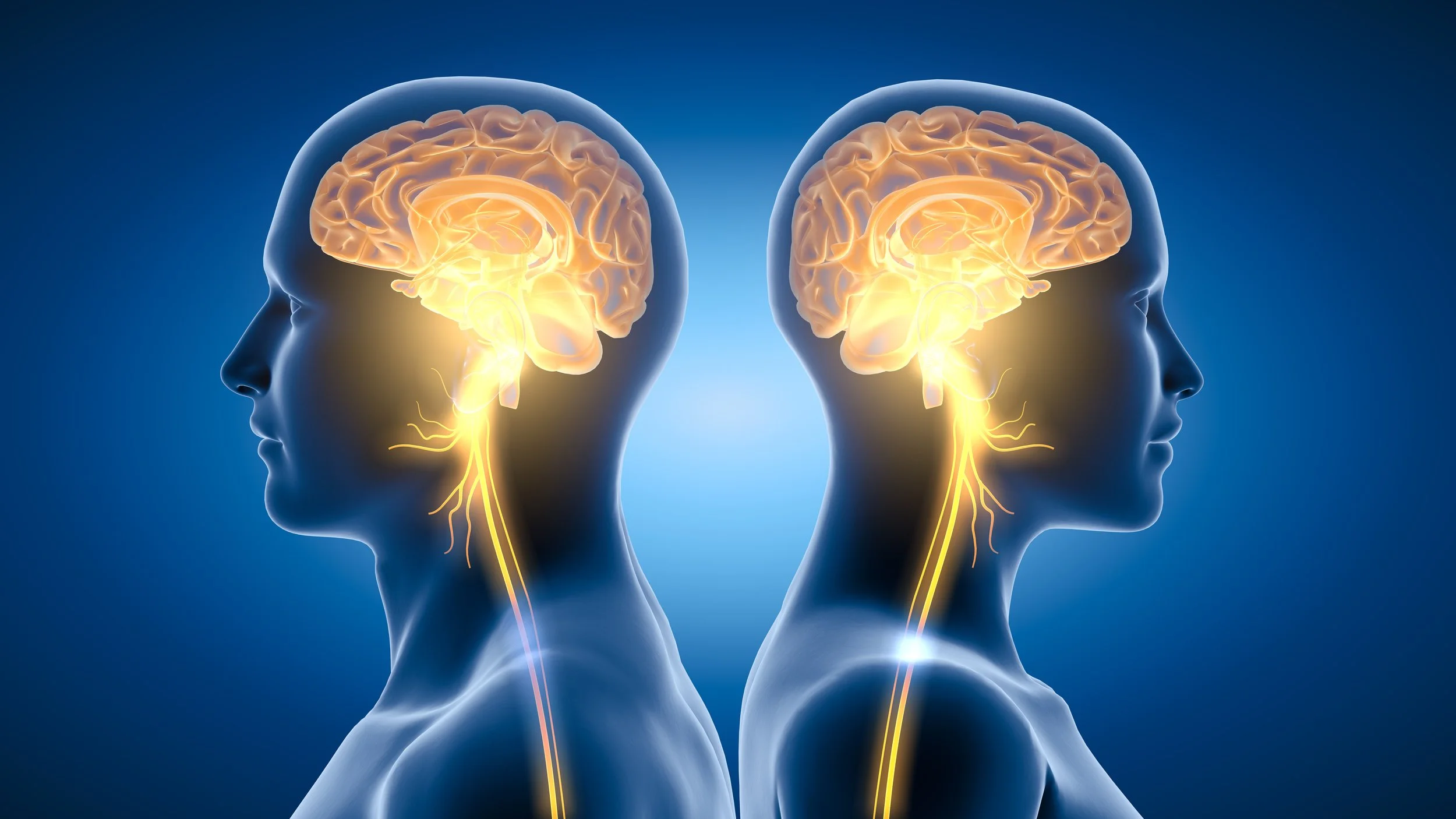
Anxiety at 3am? Racing thoughts before a meeting? Your breath is the fastest reset button. One simple technique activates your vagus nerve, shifts you from fight-or-flight to calm in minutes. Here's the neuroscience behind breathwork for emotional regulation.
Your best ideas rarely arrive when you’re grinding at your desk. They appear in the shower, on a walk, or staring at the ocean. This isn’t laziness, it’s brain science. Strategic rest might the missing piece in your performance plan.
When you have an entire day to recharge, the possibilities for profound restoration open up. This time allows the body and mind to undergo deeper recovery processes, from muscle rebuilding to memory consolidation.
Sometimes we only have a few minutes to step back, regroup, and recharge. Science supports that short breaks can activate the parasympathetic nervous system, helping to lower stress and improve focus. Here are evidence-based strategies for making the most out of a few spare minutes, promoting wellness and performance.
In the modern world, we often feel perpetually “on” and stretched thin by constant demands. Even seconds of intentional recharge can help recalibrate our nervous system, lower stress, and prevent burnout. In my book Rest, Refocus, Recharge, I presented simple, science-backed strategies for those precious seconds when we need a quick reset. These rapid recovery techniques allow us to respond, rather than react, to life’s pressures by taking control of our physical and mental state.
In high-stress situations, tension can limit creativity and problem-solving. By letting go of physical tension through conscious relaxation practices, we can shift our minds from stress to a more creative mindset.
Connecting with nature offers significant physical and mental benefits. Through the lens of cortisol regulation and restoration theory, immersing yourself in nature can help manage stress and elevate your mental and physical health. These natural benefits of time spent outdoors empower you to recharge, reduce stress, and ultimately, achieve a healthy state of mind and body.
In moments of stress, our instinctive reactions can sometimes worsen situations or create unintended outcomes. Building response-ability—the ability to consciously choose responses instead of reacting automatically—can help maintain better relationships, enhance performance in the moment, and improve our ability to do the right thing in times of challenge. Ultimately, developing this skill empowers us to navigate challenges with a thoughtful and intentional mindset.
People who take genuine time off enjoy improved focus, higher productivity, and enhanced well-being. Yet, many people find themselves unable to fully disconnect, which diminishes the benefits of vacation. With careful planning and a commitment to unplug, you can set yourself up for a truly restorative experience that yields long-lasting benefits.
Your brain learns better in a group. When diverse minds come together with shared purpose, stress hormones drop, and performance climbs. Science shows: we're wired to thrive together. Here's why community is your ultimate performance edge. #CollaborativeLearning #GroupPerformance