

The Dr. Greg Wells Podcast



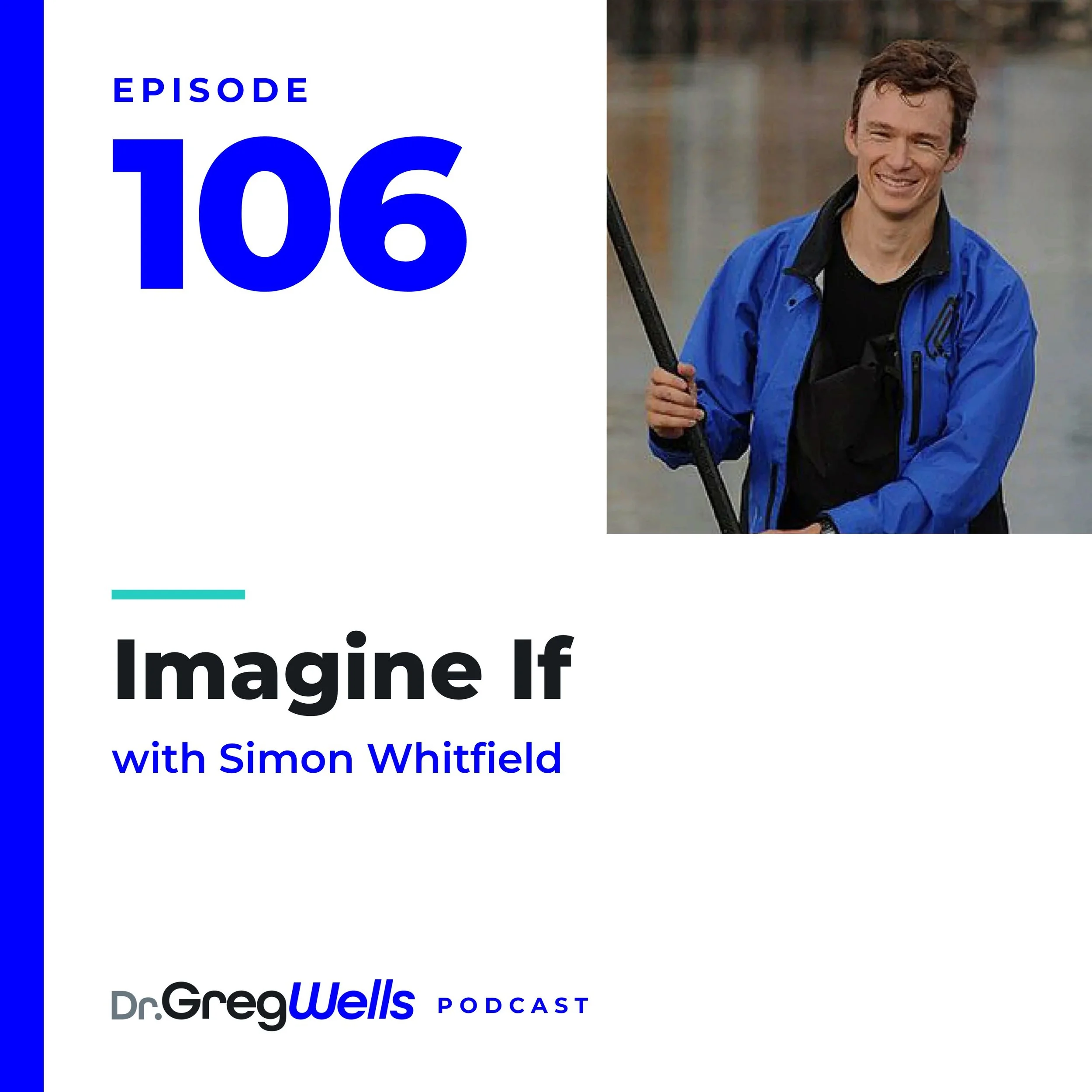
Imagine If with Simon Whitfield
I remember the finish of the men’s triathlon at the Sydney 2000 Olympics. Simon Whitfield came from the middle of the field and passed the leader, Stephan Vuckovic of Germany, less than 300 metres from the line to become the first Olympic champion in men’s triathlon. What struck me most was how happy all three medalists were at the finish. Simon told me that by race day he had seen it unfold so many times in his mind’s eye that the race felt like a story he had already watched. Years earlier, he had written two words in his training log: imagine if.
Mental rehearsal is a skill you can train. When you rehearse a race, a presentation or a hard conversation in detail, you practise the decisions before you face them, so that on the day you recognize the situation and respond. A meta-analysis in the Journal of Applied Psychology found that mental practice has a positive and significant effect on performance, with the strongest effects on tasks that involve a lot of thinking and decision-making. Simon pairs it with what he calls the do-nothing defense: when you feel the urge to react, you take one more slow breath through your nose. That breath steadies you long enough to choose your move.
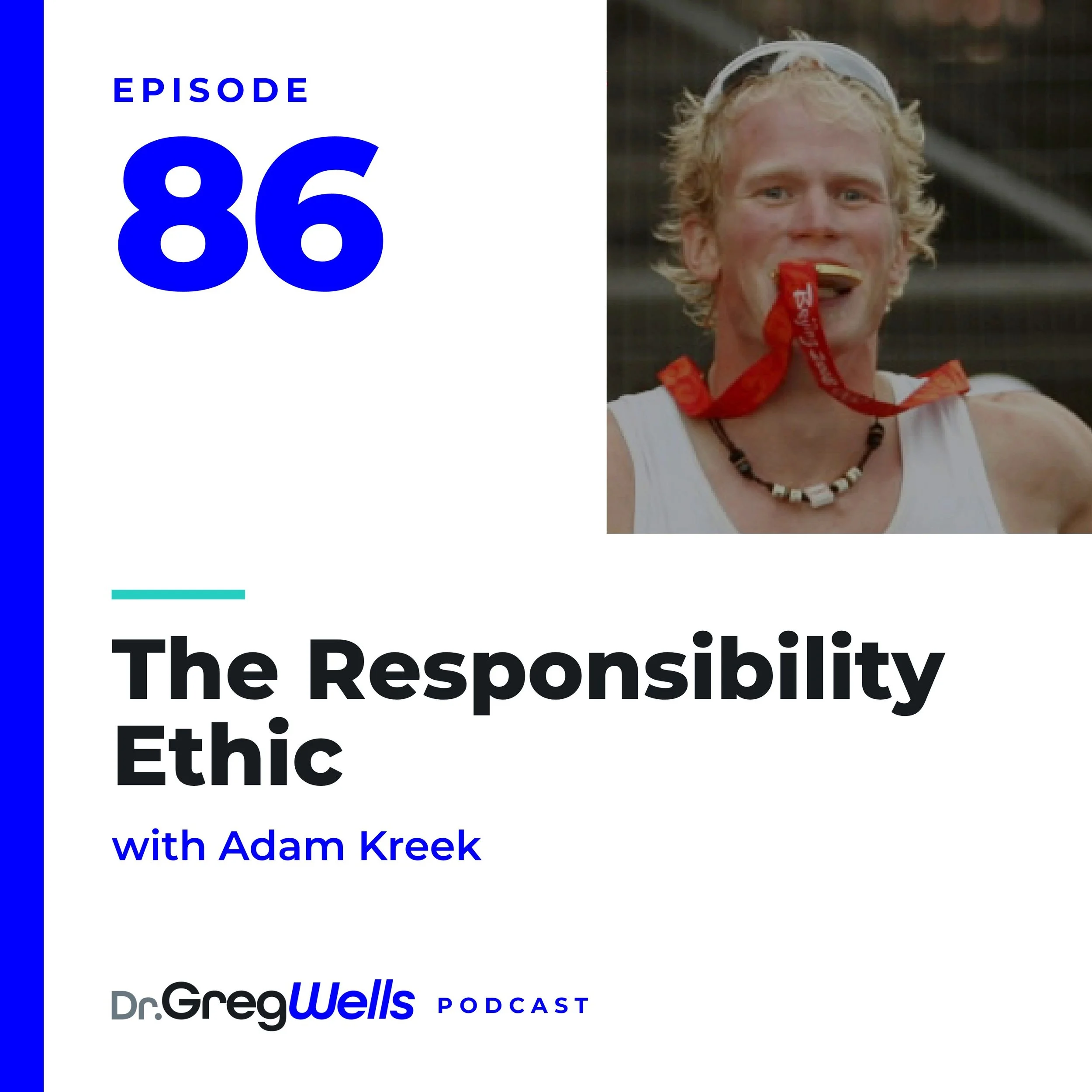
The Responsibility Ethic with Adam Kreek
When Adam Kreek described the last stretch of the men’s eight final at the Beijing Olympics, I watched him turn red and start breathing hard as he relived it, and I had chills. Four years earlier in Athens, his crew had arrived as favourites and fallen apart. In Beijing, deep in the pain of the final strokes, the coxswain called out that five more strokes would make them Olympic champions, and Adam went from believing he could not take another stroke to taking all five. They won gold.
Adam’s coach used to tell the crew that even in the depths of pain and doubt, they were only four-fifths dead. The physiology supports him. In a study of fit young men cycling at 80 percent of their peak aerobic power, Samuele Marcora found that at the moment they quit from exhaustion, their legs could still produce about three times the required power in a five-second all-out effort. Your perception of effort, more than your muscles, tells you when to stop. When you train close to your limit in a controlled way, you learn that you have more in reserve than you feel. Adam pairs that with a lesson from Athens: give yourself space to process a failure physically, often through long, steady aerobic exercise, before you jump to the lessons.
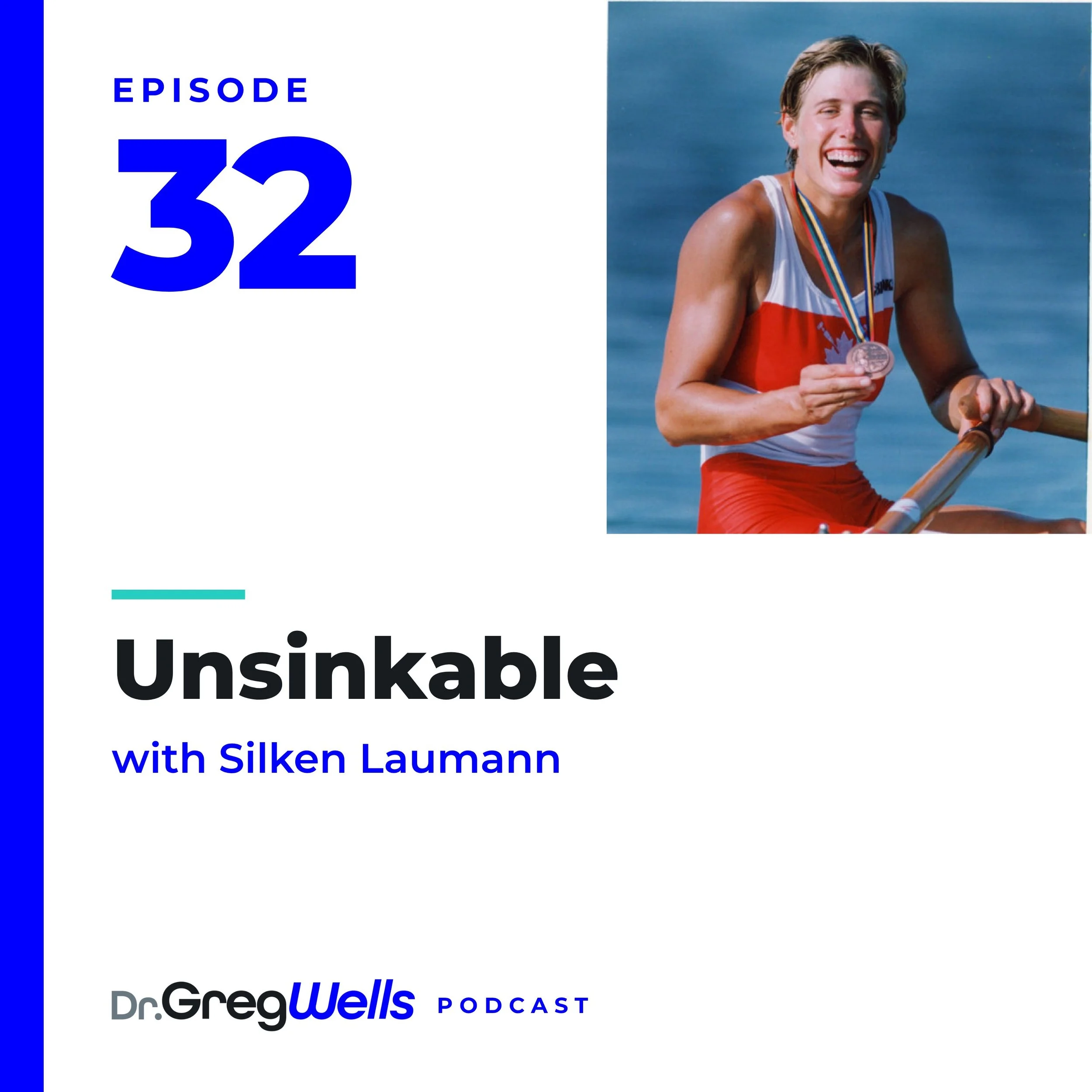
Unsinkable with Silken Laumann
In 1992 I didn’t make the Olympic team, so I went to Barcelona to work with CTV, and I watched Silken Laumann do something that still challenges what I know about physiology. Ten weeks before the Games, while she was the reigning world champion in single sculls, another boat hit hers at a regatta in Germany. Her wooden boat shattered and drove about 200 pieces of wood into her lower right leg, breaking her ankle and shredding the muscle. Her doctor told her she might never row competitively again. After five operations and a skin graft she was still on crutches three weeks before the Olympics, and she walked with a cane in Barcelona. Then she raced and won the bronze medal.
Silken also talks openly about her mental health and the day she finally reached out to a friend, who connected her with a counsellor. Today she watches her mind the way she watches her body. When a stressful phone call pushes her stress up, she tunes in and names it: I am feeling angry. Naming a feeling has a measurable effect in your brain. Matthew Lieberman and his colleagues at UCLA scanned people while they looked at angry and fearful faces. When people chose a word to label the emotion they saw, activity in the amygdala, your brain’s alarm system, dropped, and activity rose in the right ventrolateral prefrontal cortex. When you put a feeling into words, your prefrontal cortex helps quiet the alarm, which gives you a moment to choose your next move.