

The Dr. Greg Wells Podcast



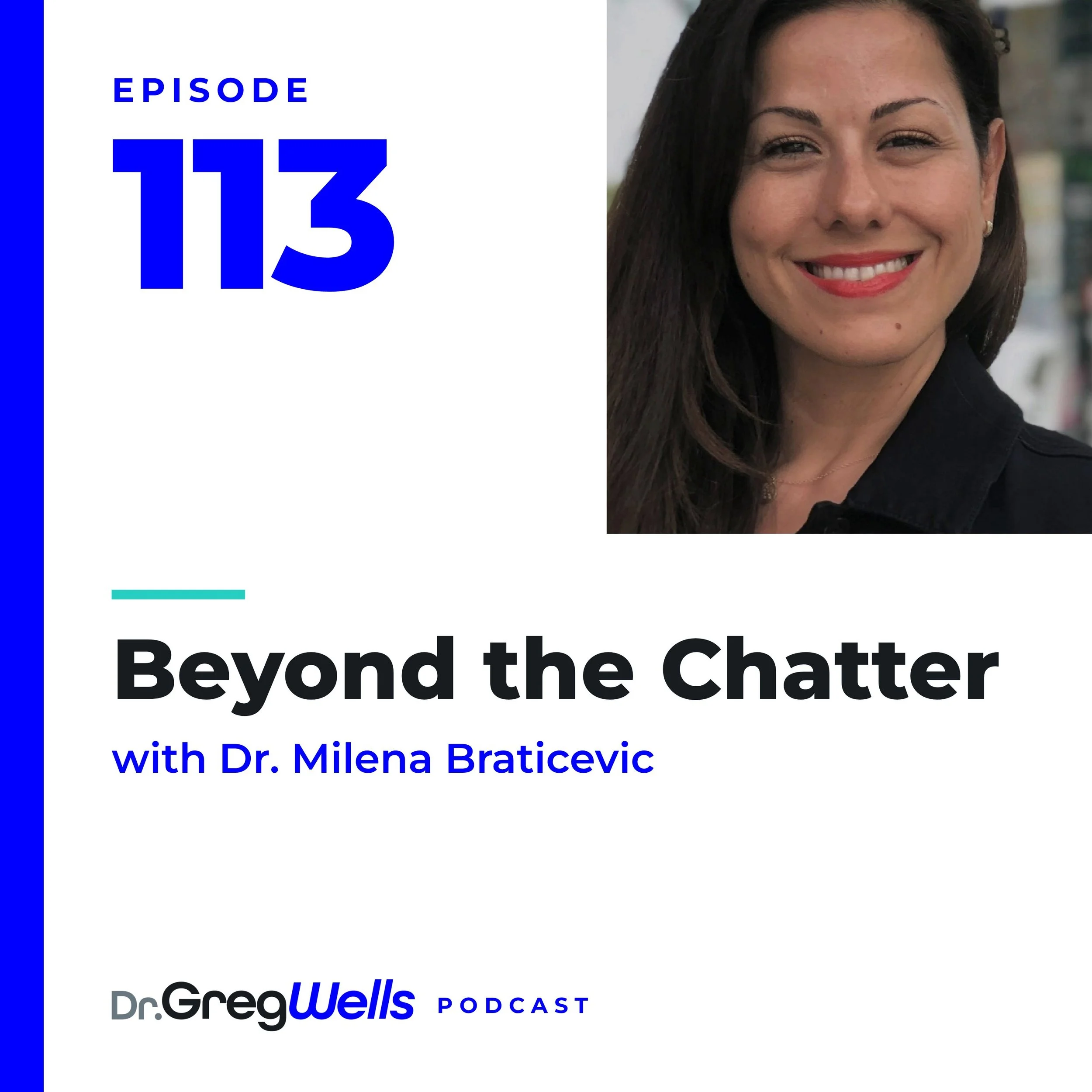
Beyond the Chatter with Dr. Milena Braticevic
When I work with athletes, there are some training days when we ask them to leave the equipment at home: no heart rate monitor, no GPS, nothing to measure. Some of them freak out. Turning off the technology and simply feeling your body is harder than it sounds. Dr. Milena Braticevic, a mental health educator I first heard speak at an event at SickKids, explains why reconnecting with your body and quieting your inner chatter matters so much for your mind.
When you are not focused on a task, your brain’s default mode network spins out an inner story: replaying the past, rehearsing the future and narrating your life. That chatter is normal, and when it loops on negative thoughts it can feed rumination, which research links to depression. Training your attention to notice the story and come back to your breath, your body and your surroundings gives you a choice about whether to follow it. Milena also describes the mind as embodied, which is why sleep, movement, nutrition and rest shape how your mind feels.
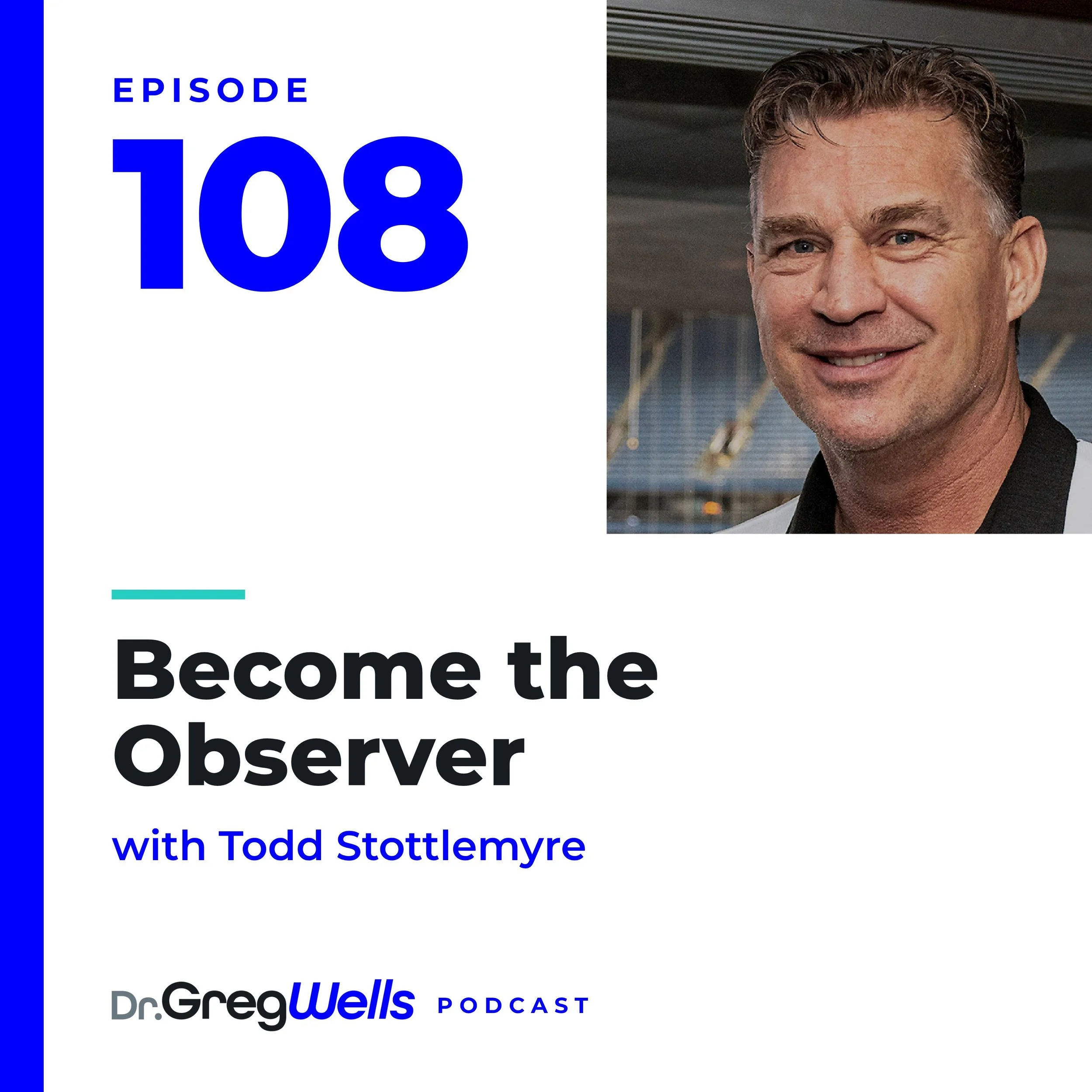
Become the Observer with Todd Stottlemyre
I read Todd Stottlemyre’s book The Observer in one night. Todd grew up going to work with his dad at Yankee Stadium, and he went on to pitch 15 seasons in the major leagues and win three World Series, two of them with the Toronto Blue Jays. In 1989, after the Blue Jays sent him down to the minor leagues for the second year in a row, he drove six hours through the night from Toronto to Syracuse in total silence, close to quitting. When he opened his eyes in the empty stadium parking lot at dawn, he decided to go all in. Thirty days later he was back in the major leagues.
The tool that changed the rest of Todd’s life came later, from a mentor who gave him a seven-day challenge: no reacting to his thoughts or emotions, only observing them and writing them down. There is a clear mechanism behind that practice. When you put a feeling into words, activity in your amygdala, the region that triggers your threat response, drops, and activity rises in your right ventrolateral prefrontal cortex, which helps regulate emotion. Matthew Lieberman’s team at UCLA showed this with brain imaging in healthy adults: labeling the emotion in a face calmed the amygdala more than other ways of processing the same image. Naming what you feel opens a gap between the stimulus and your response, and that gap is where you get to choose.
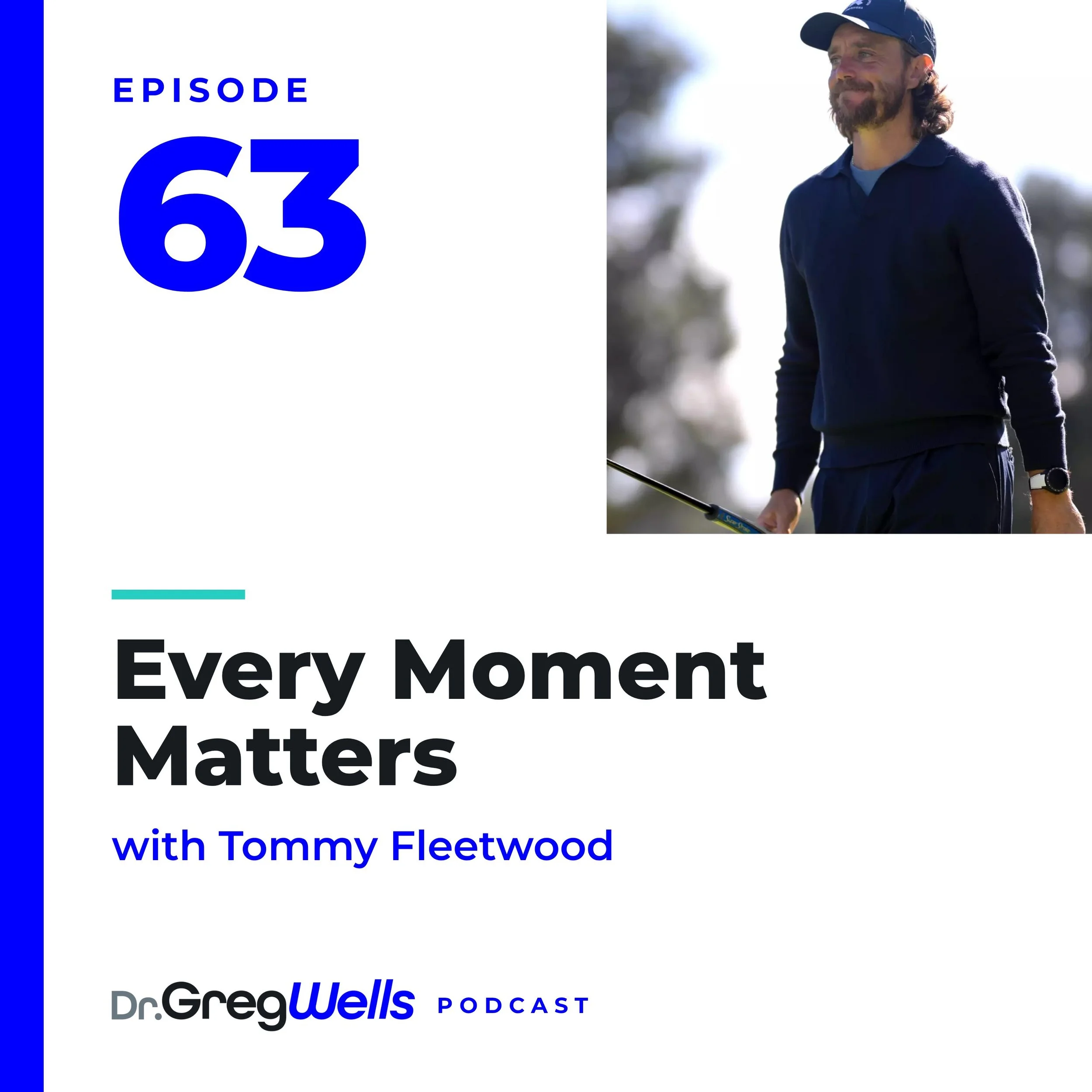
Every Moment Matters with Tommy Fleetwood
When I rode my bike across Africa, I learned that every expectation I set would be tested: plan for a great day and you would get a flat, count on good weather and a storm would roll in. Tommy Fleetwood knows that tension well. He rose quickly as a young professional golfer, then struggled with his swing, lost confidence and slid down the world rankings. During one practice round, not wanting to be there at all, he texted his dad, who told him to go back to one of his junior coaches. That was the start of a rebuild that took him back into the world’s top 20.
One of Tommy’s tools is writing his goals in vivid detail and then visualizing them. Before the season he wanted to win again, he wrote down the exact moment: sitting in the scoring area, watching the winning putt drop, his heart still racing, his caddie and his wife beside him. Research supports writing about the future you want. In a randomized study, Laura King had people write about their best possible future selves for 20 minutes a day for four days; they reported a significant increase in well-being, and five months later they had less illness than a control group. When you write the moment in detail and add the emotion, you give your brain a clear target to rehearse.
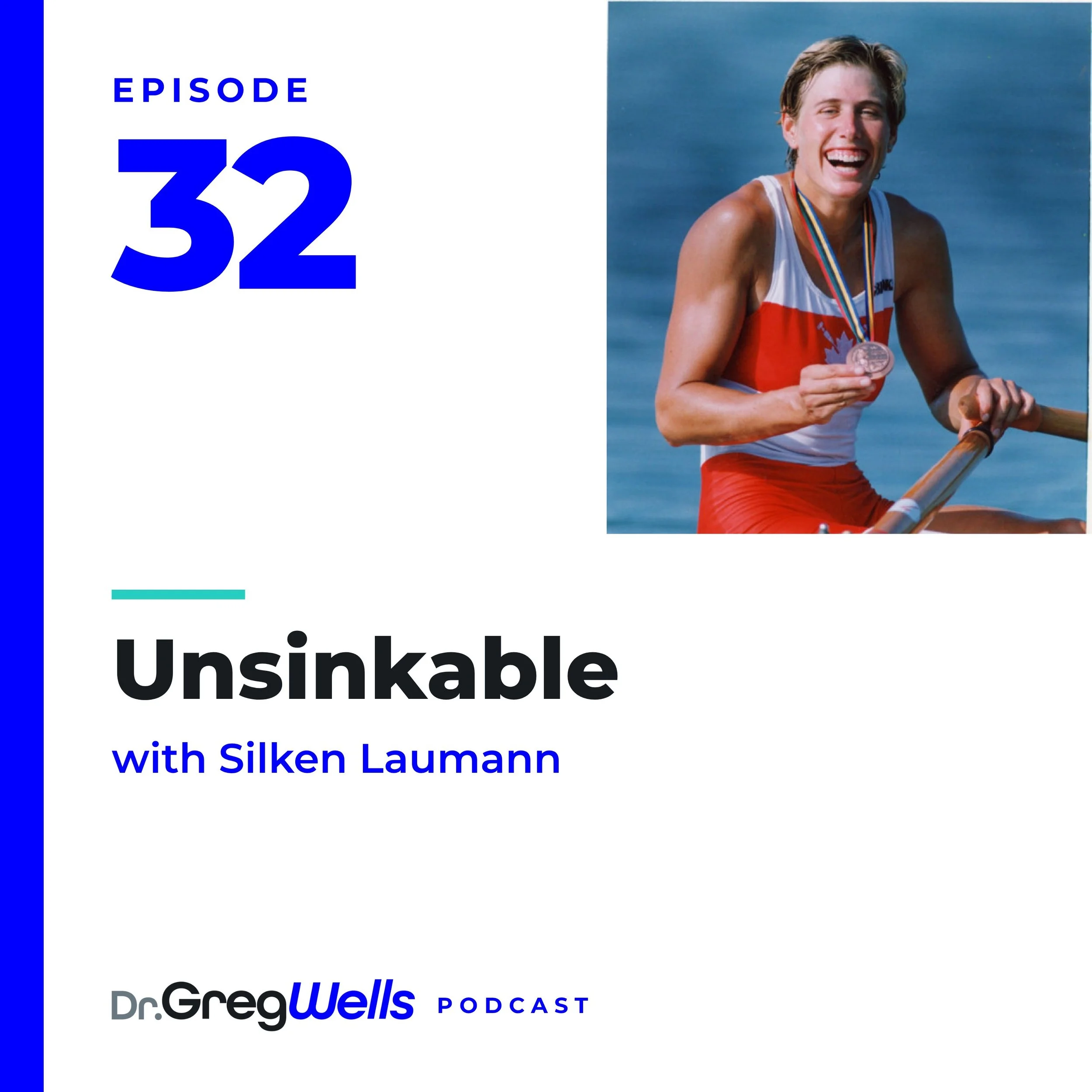
Unsinkable with Silken Laumann
In 1992 I didn’t make the Olympic team, so I went to Barcelona to work with CTV, and I watched Silken Laumann do something that still challenges what I know about physiology. Ten weeks before the Games, while she was the reigning world champion in single sculls, another boat hit hers at a regatta in Germany. Her wooden boat shattered and drove about 200 pieces of wood into her lower right leg, breaking her ankle and shredding the muscle. Her doctor told her she might never row competitively again. After five operations and a skin graft she was still on crutches three weeks before the Olympics, and she walked with a cane in Barcelona. Then she raced and won the bronze medal.
Silken also talks openly about her mental health and the day she finally reached out to a friend, who connected her with a counsellor. Today she watches her mind the way she watches her body. When a stressful phone call pushes her stress up, she tunes in and names it: I am feeling angry. Naming a feeling has a measurable effect in your brain. Matthew Lieberman and his colleagues at UCLA scanned people while they looked at angry and fearful faces. When people chose a word to label the emotion they saw, activity in the amygdala, your brain’s alarm system, dropped, and activity rose in the right ventrolateral prefrontal cortex. When you put a feeling into words, your prefrontal cortex helps quiet the alarm, which gives you a moment to choose your next move.