

The Dr. Greg Wells Podcast



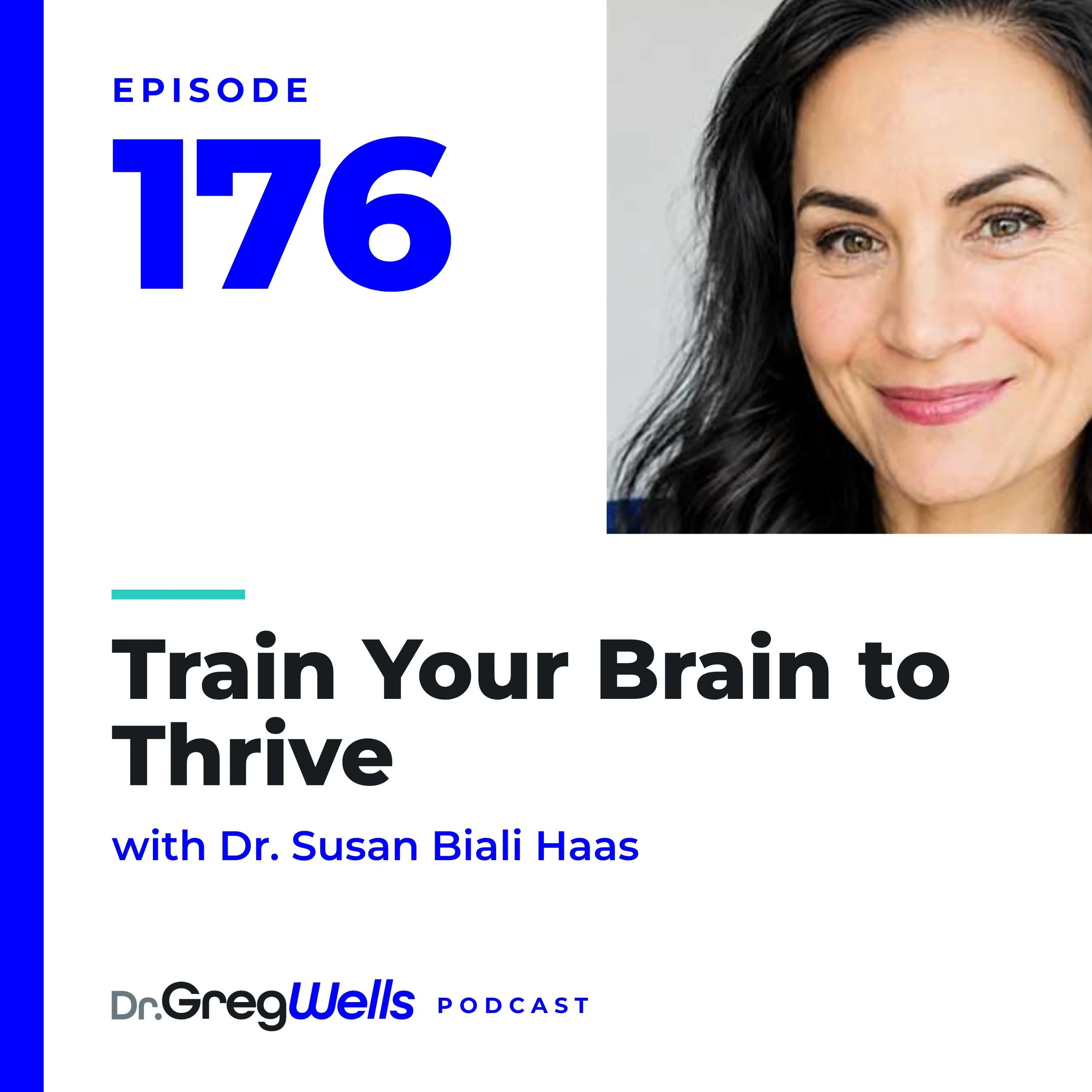
Train Your Brain to Thrive with Dr. Susan Biali Haas
During her emergency medicine residency, Dr. Susan Biali Haas burned out, and one of her program leaders sent her on leave with homework: work out who you are and what you want your life to be. On a trip to Cuba she watched a salsa team perform and remembered that, as a little girl, all she wanted to do was dance. Salsa lessons led to flamenco in Spain, and the dancing became part of her recovery. In this conversation we dig into fun, play and the mental rehearsal she uses before her biggest moments.
After a long stretch of threat, your brain’s alarm system can stay on high alert even when the danger has passed. Play sends it a different message: the world can be fun. Mental rehearsal works through similar circuits, because when you vividly imagine an action, your brain activates many of the networks it uses to perform it, which is why athletes rehearse every run before they race.
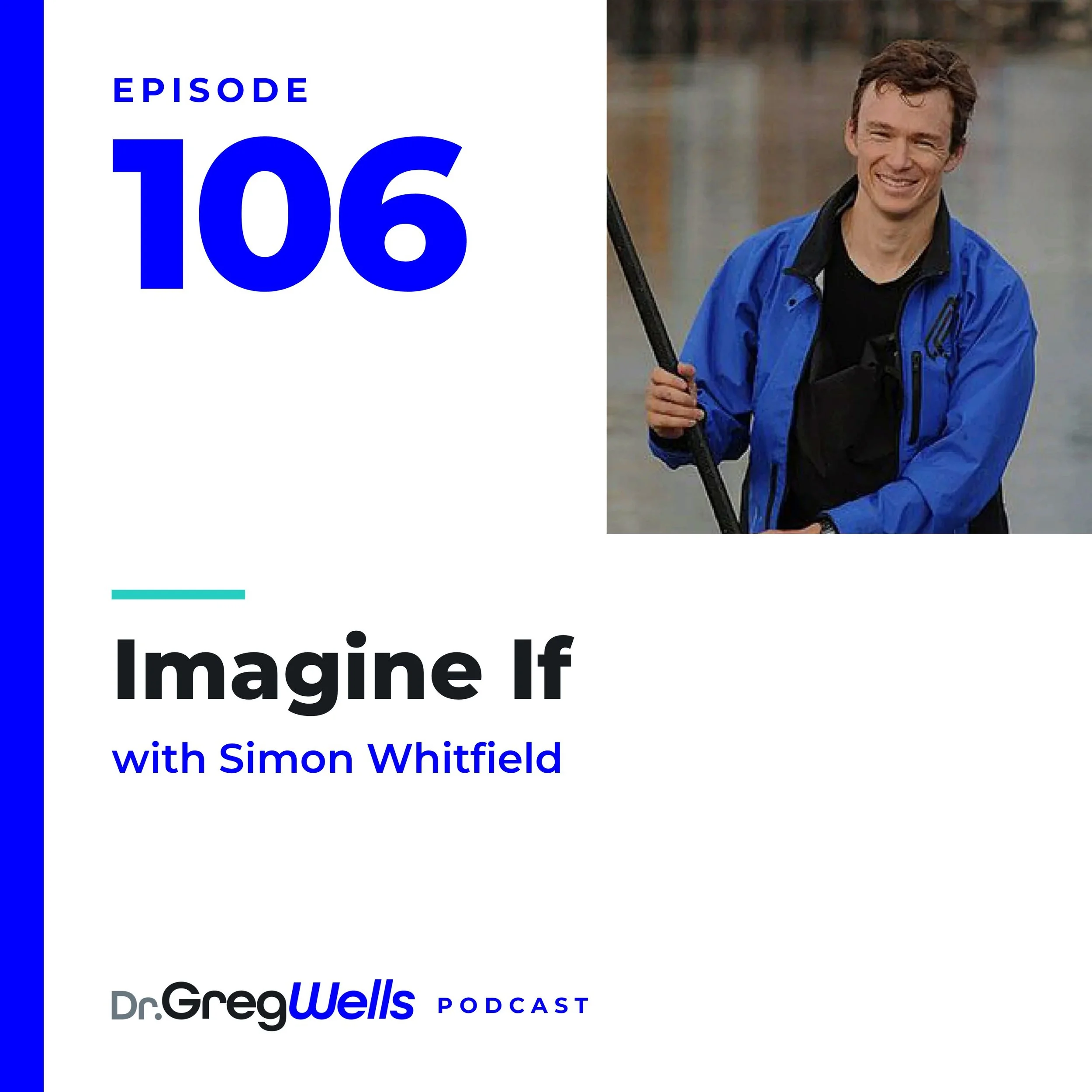
Imagine If with Simon Whitfield
I remember the finish of the men’s triathlon at the Sydney 2000 Olympics. Simon Whitfield came from the middle of the field and passed the leader, Stephan Vuckovic of Germany, less than 300 metres from the line to become the first Olympic champion in men’s triathlon. What struck me most was how happy all three medalists were at the finish. Simon told me that by race day he had seen it unfold so many times in his mind’s eye that the race felt like a story he had already watched. Years earlier, he had written two words in his training log: imagine if.
Mental rehearsal is a skill you can train. When you rehearse a race, a presentation or a hard conversation in detail, you practise the decisions before you face them, so that on the day you recognize the situation and respond. A meta-analysis in the Journal of Applied Psychology found that mental practice has a positive and significant effect on performance, with the strongest effects on tasks that involve a lot of thinking and decision-making. Simon pairs it with what he calls the do-nothing defense: when you feel the urge to react, you take one more slow breath through your nose. That breath steadies you long enough to choose your move.
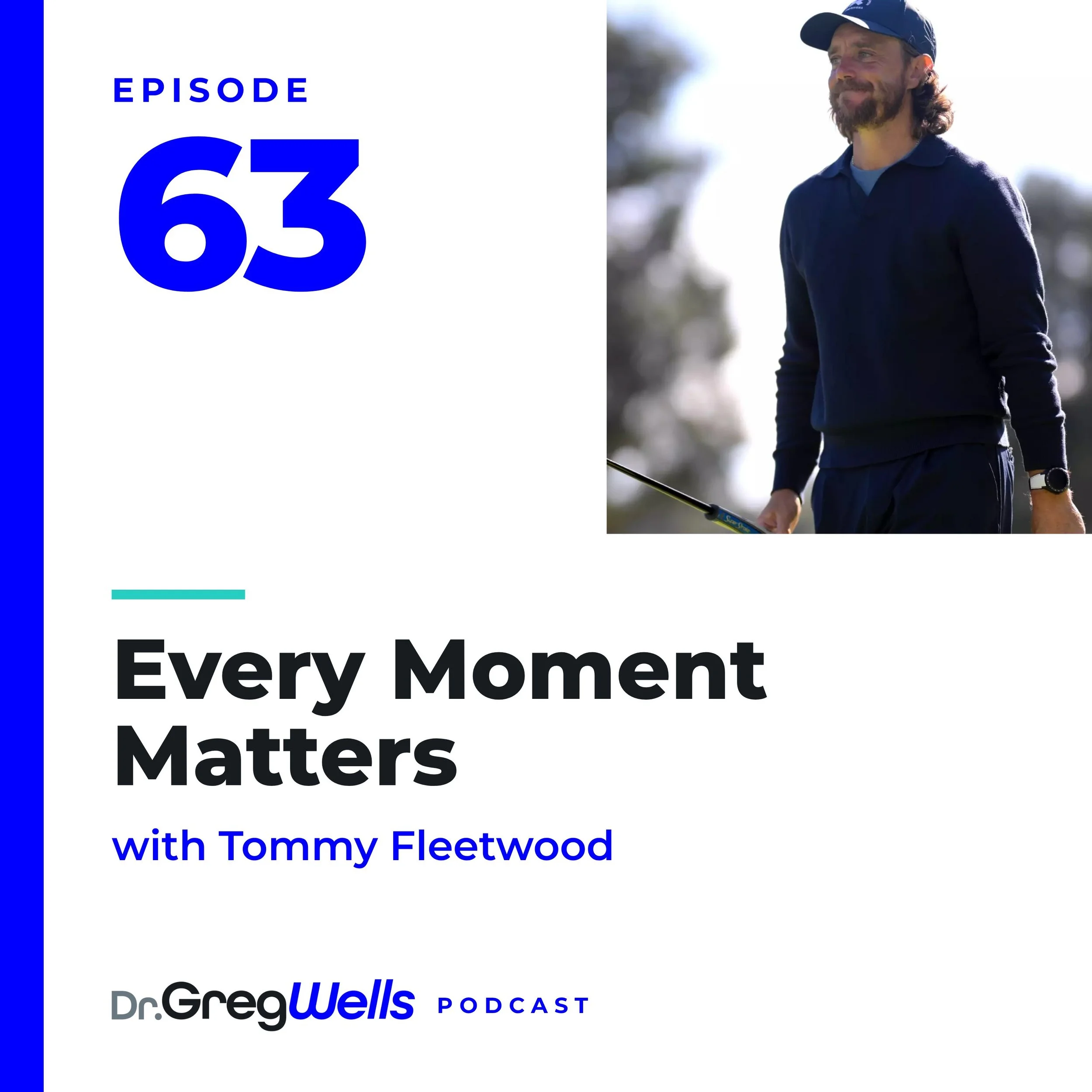
Every Moment Matters with Tommy Fleetwood
When I rode my bike across Africa, I learned that every expectation I set would be tested: plan for a great day and you would get a flat, count on good weather and a storm would roll in. Tommy Fleetwood knows that tension well. He rose quickly as a young professional golfer, then struggled with his swing, lost confidence and slid down the world rankings. During one practice round, not wanting to be there at all, he texted his dad, who told him to go back to one of his junior coaches. That was the start of a rebuild that took him back into the world’s top 20.
One of Tommy’s tools is writing his goals in vivid detail and then visualizing them. Before the season he wanted to win again, he wrote down the exact moment: sitting in the scoring area, watching the winning putt drop, his heart still racing, his caddie and his wife beside him. Research supports writing about the future you want. In a randomized study, Laura King had people write about their best possible future selves for 20 minutes a day for four days; they reported a significant increase in well-being, and five months later they had less illness than a control group. When you write the moment in detail and add the emotion, you give your brain a clear target to rehearse.
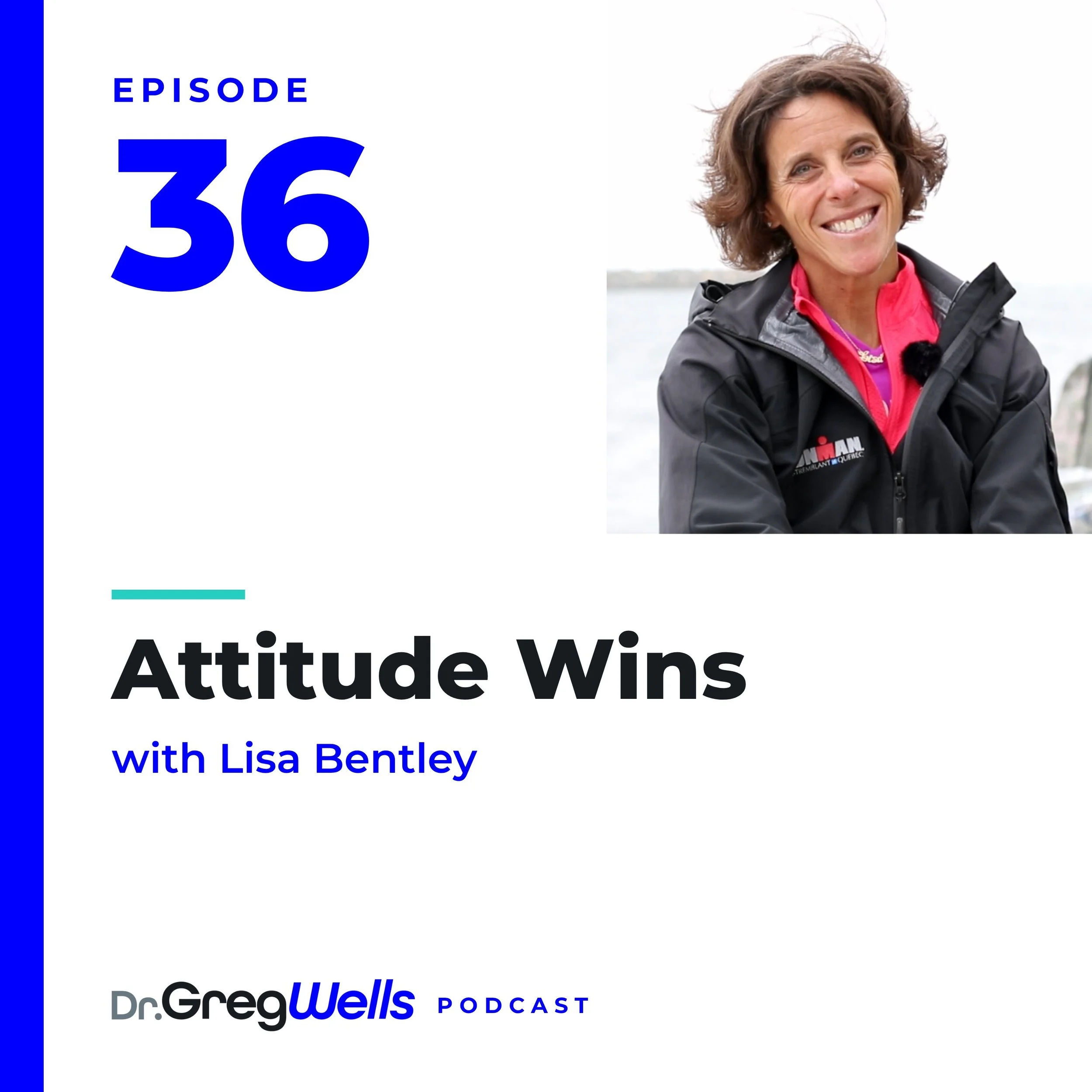
Attitude Wins with Lisa Bentley
In 2007, Lisa Bentley could barely put on a shoe. An Achilles injury had forced her to walk half the marathon at Ironman Australia, and as Ironman Canada approached she was running only every 48 hours, with a longest run of 90 minutes. The day before the race, a stranger handed her a photo of Terry Fox dipping his foot in the ocean at the start of the Marathon of Hope, with his words on the back: one step at a time, one telephone pole at a time, one mile at a time. Lisa repeated that line all day and won the race.
Lisa’s race-week preparation was an extra half hour in bed each morning, rehearsing the entire course in her mind, including the problems: a flat tire, dropped nutrition, losing the swim pack, falling 10 minutes behind. For each one she pictured exactly how she would respond. Psychologists call this kind of if-then planning an implementation intention. In a meta-analysis of 94 studies, Peter Gollwitzer and Paschal Sheeran found that people who formed if-then plans reached their goals substantially more often than people who only set the goal. When you decide in advance that if a specific problem happens you will do a specific thing, the situation itself triggers your response, so you spend less energy deciding under pressure.