
Articles
Search my library of health, wellness and peak performance Topics!




Understanding Stress
Life can be stressful (especially over the last few months!), and we are often in a state of chronic stress. When we take the time to really slow down and activate our parasympathetic system, we can mitigate our stress levels and find a healthy balance.

A Deep Dive into Meditation
One of the lifestyle habits we’ve come back to time and time again is meditation. You might already practice meditation on a regular basis. Maybe you've tried it a few times but never stuck with it. Or maybe you've never tried it and have no interest in pursuing it.
This week we’d like to dive into meditation a little deeper so you understand what it is, why it’s so important, and how to actually do it. Hopefully with more knowledge about the benefits and idea behind it, you can start to incorporate meditation into your life - or if you’re already practicing, make it a more consistent routine.

Moving for Mental Health
Physical activity has been shown to reduce symptoms of stress, anxiety, and depression. Studies have shown that people who are physically active tend to be happier people. And even a single bout of physical activity can boost mood! We know that for optimal physical health, you should get a mixture of aerobic, strength, and flexibility training. But what kind of physical activity should you do to improve mental health?

The Power of Gratitude
This week is all about the power of gratitude. Gratitude has become something of a buzzword over the past few years. You might have heard the word through social media or heard of friends or family members practicing it. But what exactly is gratitude? Gratitude is simply what it sounds like - being thankful. Practicing gratitude means noticing the positive aspects of the world, as opposed to focusing on the negatives.

3 techniques to trigger gamma brain waves and achieve peak performance
Great performers enter a state of complete connection to the task while remaining completely relaxed. In so doing, they consistently deliver exceptional performance. From a brain science perspective, they are able to access gamma mode, a state of intense brain activity when the entire brain works together at once.

Need to create? Handle downtime like Churchill, Darwin and Dickens.
Need to brainstorm or ideate? Need to come up with a radically new idea? Need to be agile and innovative? Step out of execution mode and relax.

5 techniques that amplify focus and execution
Living in a constant state of hustle and drive is so familiar to most of us that we aren’t always aware of what does – and doesn’t – help us focus.
Given how brains work, there are certain conditions that will cue beta waves when it comes time to deliver results.
Here are five techniques you can use to cue your brain to get into go mode.

What a rhino taught me about alpha waves, reflection and seeing the whole picture
Alpha waves are emitted when we learn, reflect, think strategically or engage in metacognition. In this mode, our brains achieve a blend of activation and relaxation. To get into this mode, we have to step out of focused execution, which limits our ability to pull the lens back and see the whole picture.
I learned about this effect firsthand on a trip to Africa for a friend's wedding.

5 techniques to cue reflection, strategic thinking and metacognition
One of the major side effects of the epidemic of unrelenting drive and constant hustle has been to limit our collective capacity for deep and broad thinking.
When it comes to reflection, learning, strategic thinking and metacognition, our brains need to slow down, focus and trigger alpha waves.

Energize Your Body to Engage Your Mind
Though body and mind are typically thought of as being separate, it’s helpful to consider them as a unit because they work together. For your mind to be engaged, your body needs to be energized. There is a growing body of research showing that physical activity improves brain function and facilitates learning, creativity and problem solving among other key functions. Even simple movements like walking get you physically energized and open up the possibility of creating beta wave activity in the brain, which is reflective of the brain state you need to be in if you have to work at a task or perform an action that requires your concentration.

Unleashing creativity: Elton John, Richard Branson, Leonardo da Vinci, Thomas Edison, Steve Wozniak and a walk in the woods
Science shows that when our creativity is peaking, we emit theta waves and several regions of our brains interact to make new connections and come up with novel ideas. But how do we get into that state, keep track of the ideas we generate and stimulate a long-term source of ideas?

Build a Better Brain: How to Grow Grey and White Matter
Optimizing the functioning and growth of your brain is essential to your performance and health. In particular, it’s important to understand the role of two kinds of tissues – white matter and grey matter – and how you can make them grow.
How to Boost Your Creativity with Science
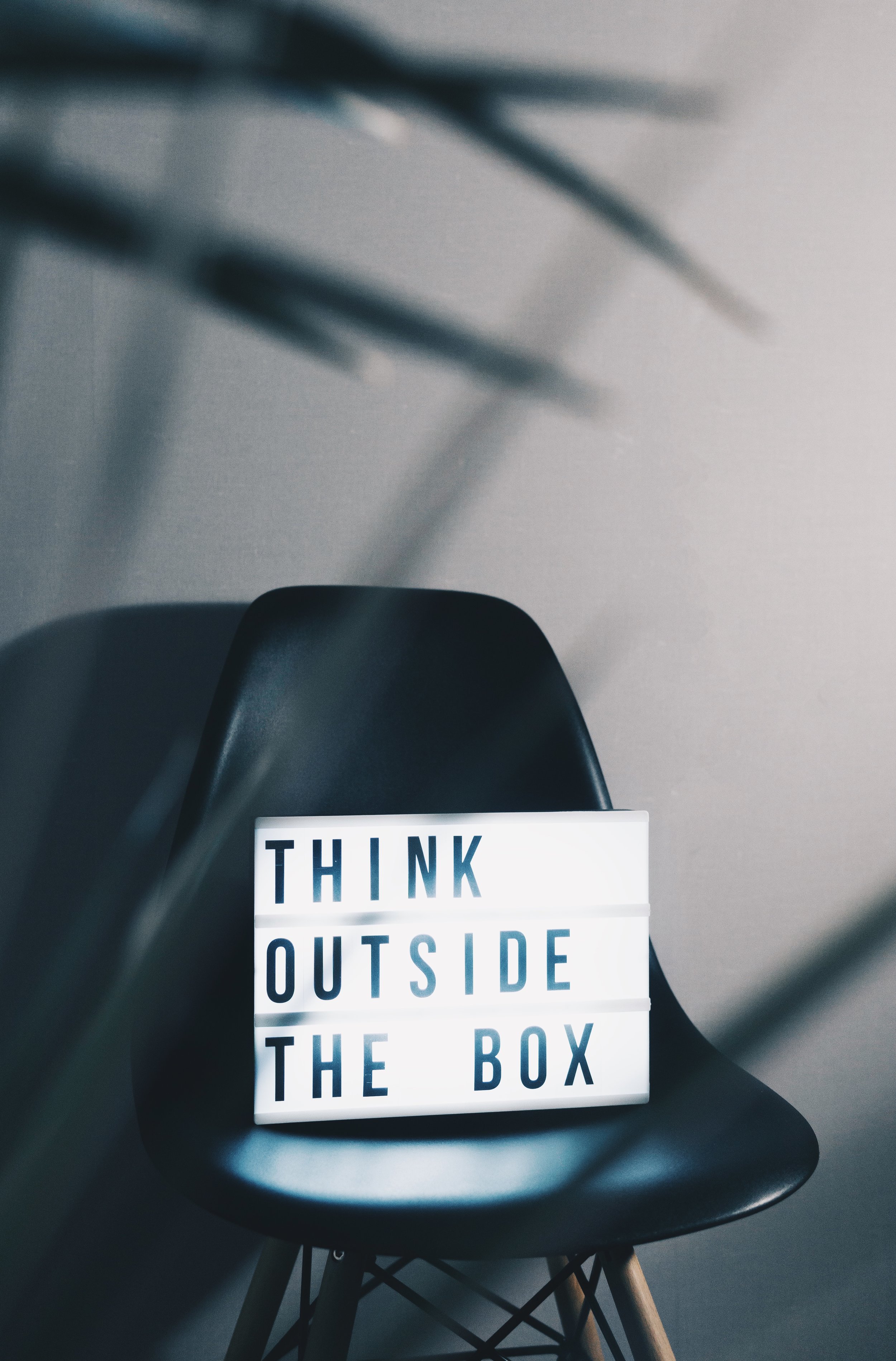
Creativity does not happen by accident. Advances in physiological research can provide us with insights about how we can spark our own agile thinking and problem solving.
As a leader in business, you're probably pushing the limits on a daily basis. Adopting deliberate practices that improve your creativity and mental agility will allow you to perform at a higher level more easily and more consistently. Putting these ideas into practice does require a shift in mindset and a reallocation of your priorities. It will be challenging in the short term, but the long-term benefits will be powerful for you personally and for your career and business.
Want to Exercise More? Defend Yourself Against Decision Fatigue.
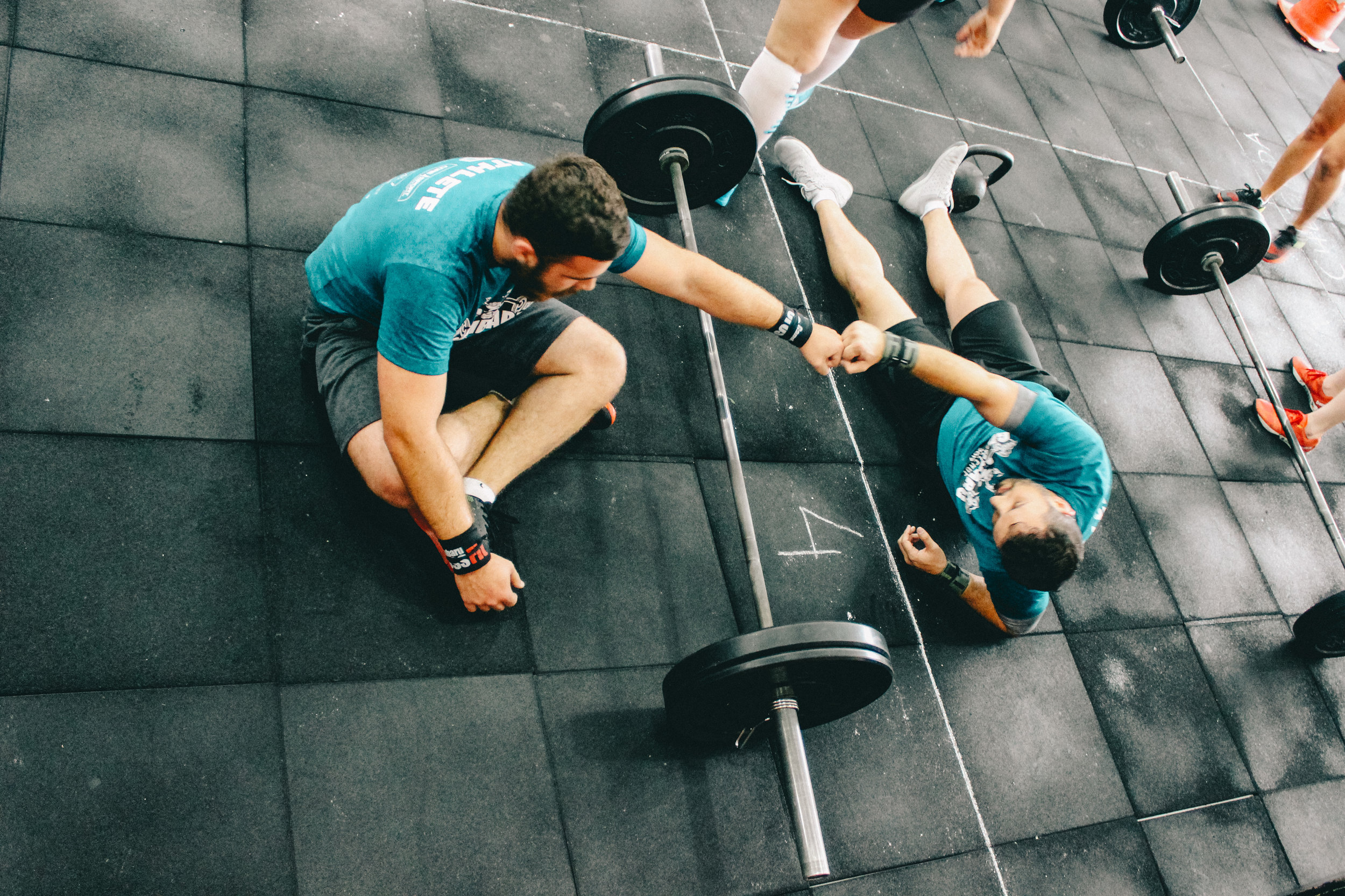
Enjoying the summer? I’m loving it. Summer makes it so much easier to get outside and get active. But despite no longer having the weather as an excuse, Canadians still don’t come even close to getting enough physical activity.
A recent report on Canadians’ activity levels showed that only 15 per cent of us are getting enough exercise on a daily basis. That means that 85 per cent of Canadians are at risk of chronic illnesses like cancer, cardiovascular disease and diabetes simply because they are not physically active on a daily basis.

The Science of How Sleep Makes You Smarter
A good night’s sleep is the foundation of physical health and mental energy.
I’m a science geek. I like to know why a particular approach to life or technique for success works. Otherwise, I tend to glaze over when faced with another “X Ways to Achieve Y Results” article. In the absence of research or evidence, I’m less likely to pay attention and less motivated to make a change in my life.
Maybe that’s just me. But I’ll assume you’re also a “but how do we know that really matters?” person and lay it out for you — on the subject of sleep.