

The Dr. Greg Wells Podcast




The Seven Longest Yards with Chris Norton
When I was 15, I broke my neck swimming. I was flown to Toronto for surgery on C3 and C4, and right after the operation my surgeon told me I would never swim again. Something inside me rejected that instantly. Chris Norton had the same reaction. He broke his neck during a college football game in 2010, and after surgery he was told he had a 3% chance of regaining any feeling or movement below the neck. On day one, the only thing he could do was nod his head, so he nodded for hours.
Chris and his dad agreed to do all the little things right every day, and when a doctor told him he would never move his legs, his dad told him not to let anyone tell him what he could or could not do. A week later Chris wiggled his left big toe. Back at college he set a public goal to walk across the stage at his graduation, trained for years and did it with Emily, now his wife, at his side. Goal-setting research explains part of that pull. In their review of 35 years of studies, Edwin Locke and Gary Latham found that specific, difficult goals consistently led to better performance than vague goals such as “do your best.” When you commit to a clear, hard target, you direct your attention to it, work harder and longer, and search for the strategies that will get you there.
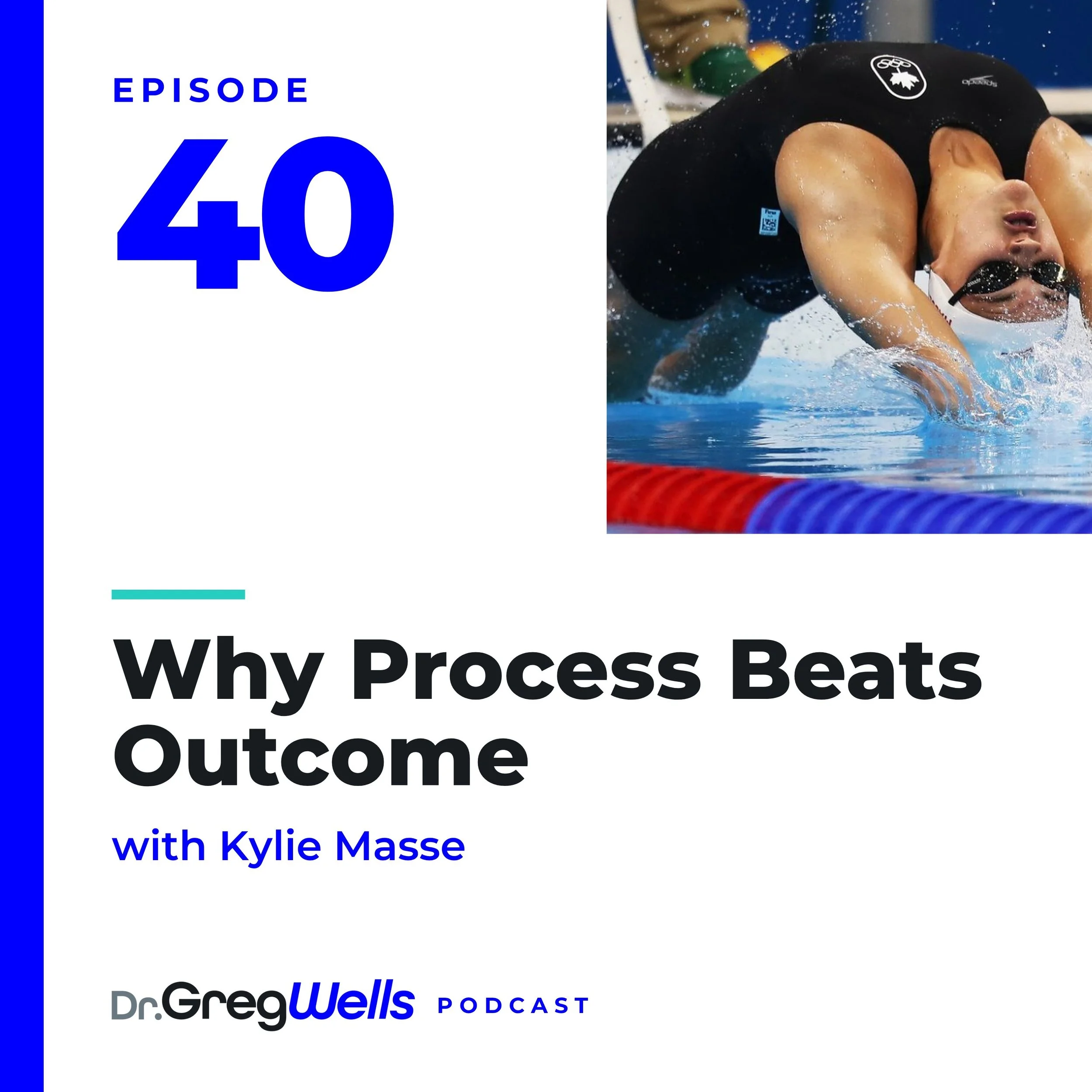
Why Process Beats Outcome with Kylie Masse
I grew up as a swimmer, and before one race when I was nervous, a coach told me that a billion people in China did not care about it. It put the race in perspective instantly. Kylie Masse learned her own version of that lesson. She grew later than many of her teammates and watched friends pass her in the pool, and she kept going because practice with her training group was fun. That foundation carried her to an Olympic bronze medal in Rio in 2016 and a world record in the 100-metre backstroke a year later.
Kylie has learned that the more she thinks during a race, the worse she swims. Research on skilled performance explains why. When Sian Beilock’s team had experienced golfers and soccer players attend to the step-by-step details of their movement, they performed worse than when their attention was on something else, while novice soccer players showed the opposite pattern. When you have trained a skill thousands of times, it runs best on autopilot, and attending to each step interrupts the smooth, automatic control your brain has built. Kylie trusts her preparation, focuses on the process instead of the result and uses music and laughter with teammates to keep her mind from overanalyzing.
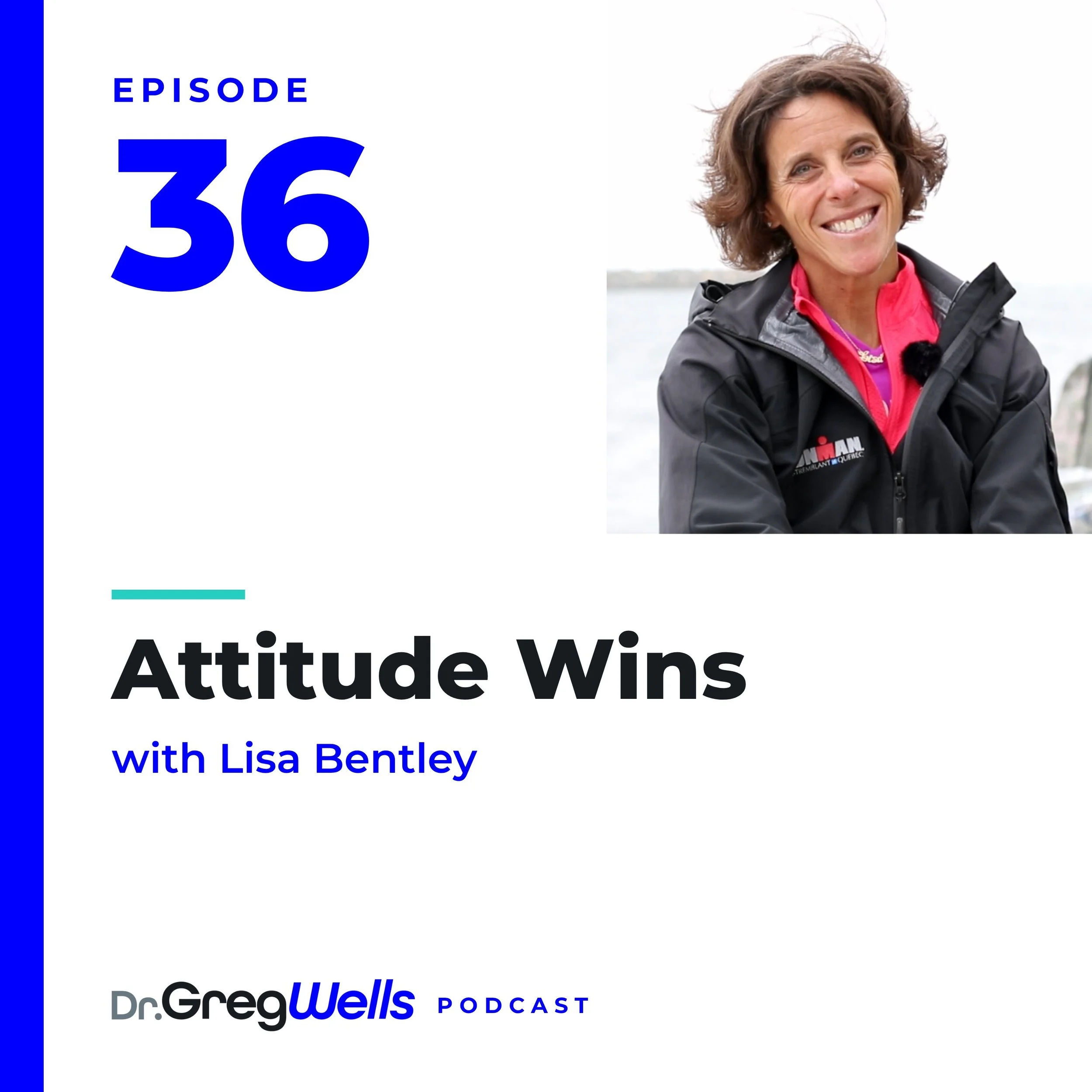
Attitude Wins with Lisa Bentley
In 2007, Lisa Bentley could barely put on a shoe. An Achilles injury had forced her to walk half the marathon at Ironman Australia, and as Ironman Canada approached she was running only every 48 hours, with a longest run of 90 minutes. The day before the race, a stranger handed her a photo of Terry Fox dipping his foot in the ocean at the start of the Marathon of Hope, with his words on the back: one step at a time, one telephone pole at a time, one mile at a time. Lisa repeated that line all day and won the race.
Lisa’s race-week preparation was an extra half hour in bed each morning, rehearsing the entire course in her mind, including the problems: a flat tire, dropped nutrition, losing the swim pack, falling 10 minutes behind. For each one she pictured exactly how she would respond. Psychologists call this kind of if-then planning an implementation intention. In a meta-analysis of 94 studies, Peter Gollwitzer and Paschal Sheeran found that people who formed if-then plans reached their goals substantially more often than people who only set the goal. When you decide in advance that if a specific problem happens you will do a specific thing, the situation itself triggers your response, so you spend less energy deciding under pressure.
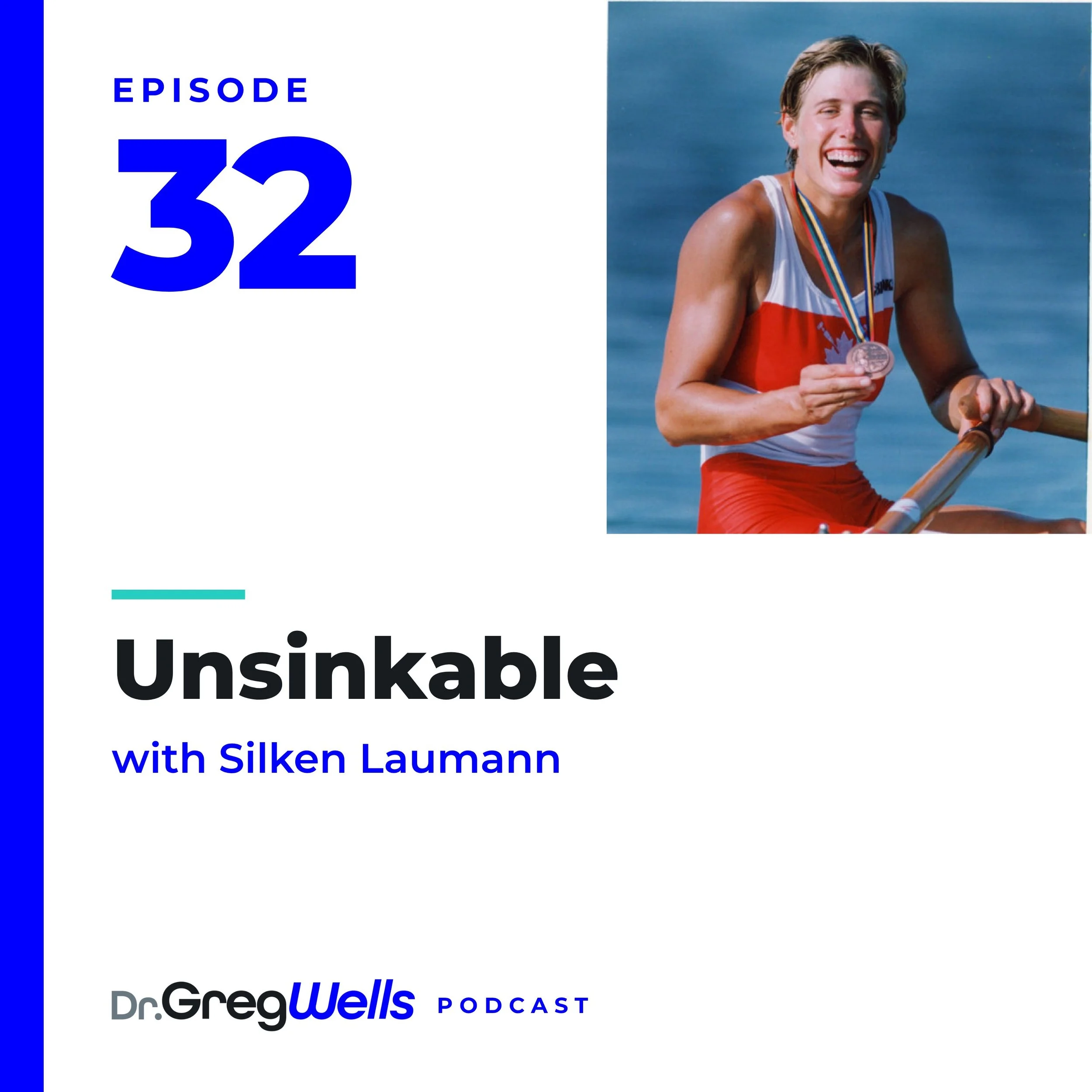
Unsinkable with Silken Laumann
In 1992 I didn’t make the Olympic team, so I went to Barcelona to work with CTV, and I watched Silken Laumann do something that still challenges what I know about physiology. Ten weeks before the Games, while she was the reigning world champion in single sculls, another boat hit hers at a regatta in Germany. Her wooden boat shattered and drove about 200 pieces of wood into her lower right leg, breaking her ankle and shredding the muscle. Her doctor told her she might never row competitively again. After five operations and a skin graft she was still on crutches three weeks before the Olympics, and she walked with a cane in Barcelona. Then she raced and won the bronze medal.
Silken also talks openly about her mental health and the day she finally reached out to a friend, who connected her with a counsellor. Today she watches her mind the way she watches her body. When a stressful phone call pushes her stress up, she tunes in and names it: I am feeling angry. Naming a feeling has a measurable effect in your brain. Matthew Lieberman and his colleagues at UCLA scanned people while they looked at angry and fearful faces. When people chose a word to label the emotion they saw, activity in the amygdala, your brain’s alarm system, dropped, and activity rose in the right ventrolateral prefrontal cortex. When you put a feeling into words, your prefrontal cortex helps quiet the alarm, which gives you a moment to choose your next move.

Do Your Greatest Work with Philip McKernan
Philip McKernan almost didn’t go back. Three years earlier he had visited a project in India for abandoned seniors, and it frightened him. When he returned with a group of clients, 450 older people were living in a shed there, and Philip heard himself volunteer to wash the men who could no longer wash themselves. He washed 50 of them. Everything he usually worried about stopped mattering. He calls it the most humbling thing he has ever done, and it taught him something about fear. The fear he felt in India, and the fear he still feels before every talk he gives, is old. It comes from his own history, and it loosens its grip as he gets to know it.
Philip pushes you to name the real fear, which usually sits underneath the one you talk about, and to have the conversation you keep avoiding. When we recorded this, my daughter, who was eight, had just asked me on vacation, “Daddy, can you please put down your phone?” The research backs her up. Andrew Przybylski and Netta Weinstein had pairs of strangers talk for 10 minutes with either a phone or a notebook sitting nearby, out of direct view. When the conversation was about something personally meaningful, the pairs with the phone nearby felt less close and trusted each other less. The researchers think a phone pulls your mind toward everyone else you could be connecting with, which crowds out the person in front of you.
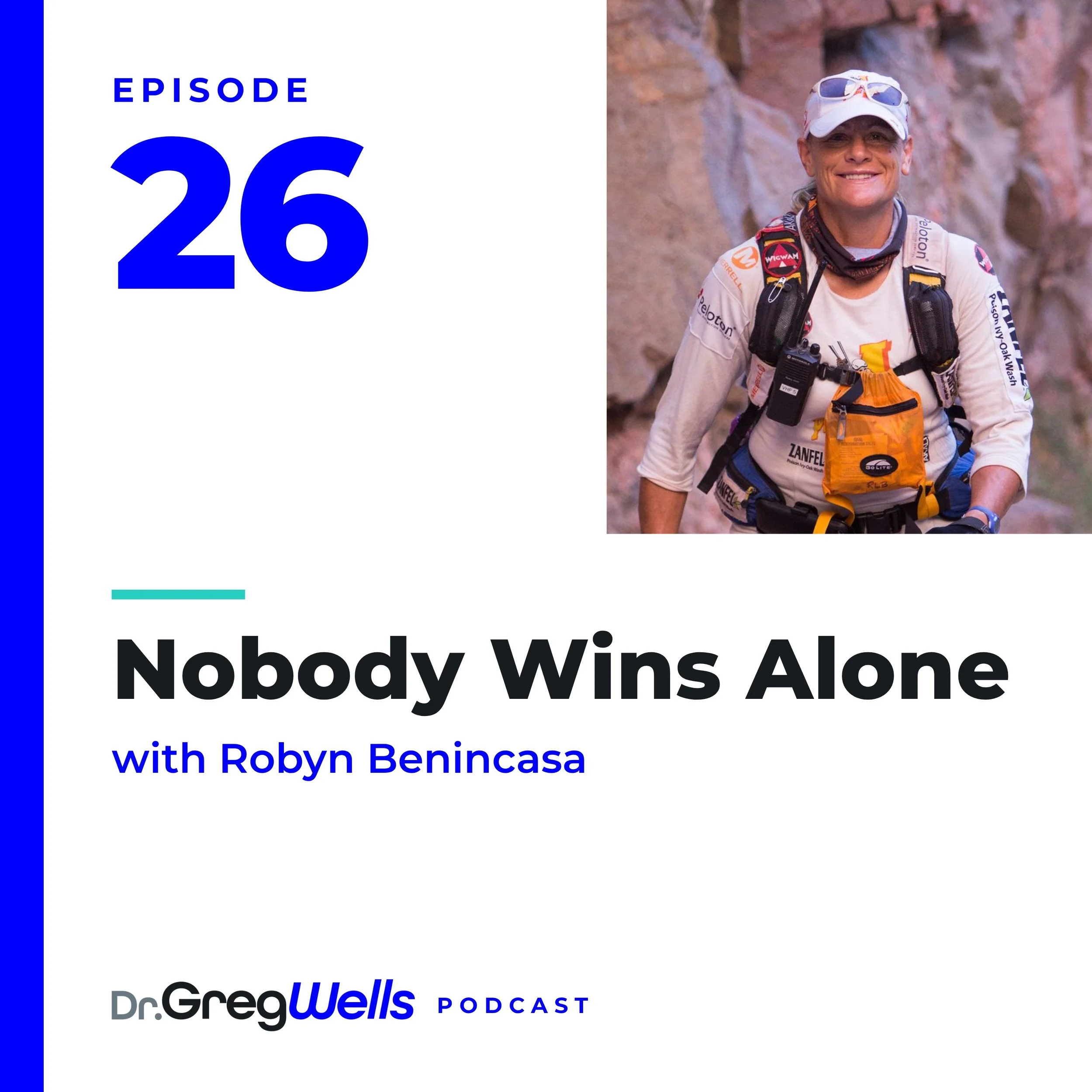
Nobody Wins Alone with Robyn Benincasa
In an adventure race in Ecuador, Robyn Benincasa’s team had to summit a 19,700-foot active volcano after three days with almost no sleep. Robyn was struggling so badly with the altitude that the race doctors almost didn’t let her climb. Then two of her teammates developed high altitude pulmonary edema and had to go back down. In an instant, Robyn went from being the person she thought was holding the team back to the person keeping her team in the race, and she kept climbing because her teammates believed in her. When she hits a low point, she pictures herself 10 days later, sitting in her kitchen or back at the fire station, and asks who she will be talking to: the person who pushed through or the person who quit.
Every time she pushes through, Robyn earns another brick for what she calls her confidence wall. Psychologist Albert Bandura described the same mechanism in his theory of self-efficacy, your belief that you can do what a situation demands. He identified performance accomplishments, the times you actually succeed at something hard, as the most dependable source of that belief, more powerful than encouragement or watching someone else do it. When you finish something difficult, you collect evidence that changes what you expect of yourself next time, which makes you more likely to take on hard things and stick with them. I felt this at my second Ironman. I was tired and blistered coming back to the turnaround and ready to call it. Then my kids yelled, “Go daddy, go,” and I knew I could never tell them to keep going when it gets hard if I bailed. So I turned around and kept running.
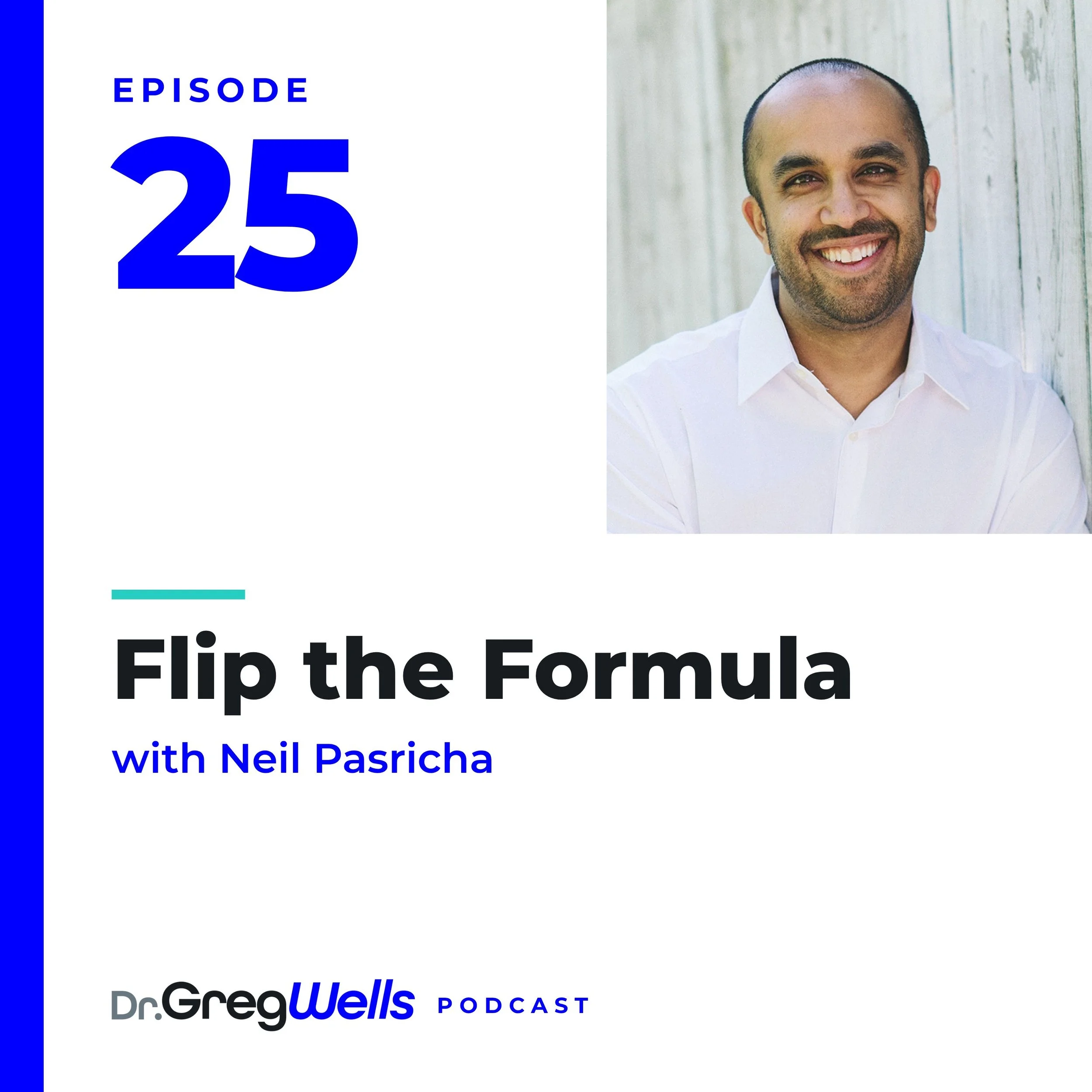
Flip the Formula with Neil Pasricha
Neil Pasricha was a best-selling author who barely read. He finished maybe five books a year, until his wife asked him how an author could not read. After three weeks with no news on their honeymoon, the world seemed loud when they got home. So he canceled his magazine and newspaper subscriptions, installed a bookshelf right beside his front door where he had to walk past it every day, canceled cable and moved the TV to the basement. That year he read 50 books. The year after, he read 100, and he says reading has made him a better dad and husband, with more compassion and empathy.
Neil’s bigger idea is that most of us were taught the formula backwards: work hard, succeed, then be happy. He flips it, so happiness comes first and the great work and success follow. The research backs him. Sonja Lyubomirsky, Laura King and Ed Diener combined 225 papers covering more than 275,000 people and found that happiness is associated with, and often comes before, many kinds of success, from fulfilling work to satisfying relationships. When you feel positive emotions often, you are more likely to work actively toward new goals and build new resources, which sets up the success you might have been waiting for before you let yourself be happy.
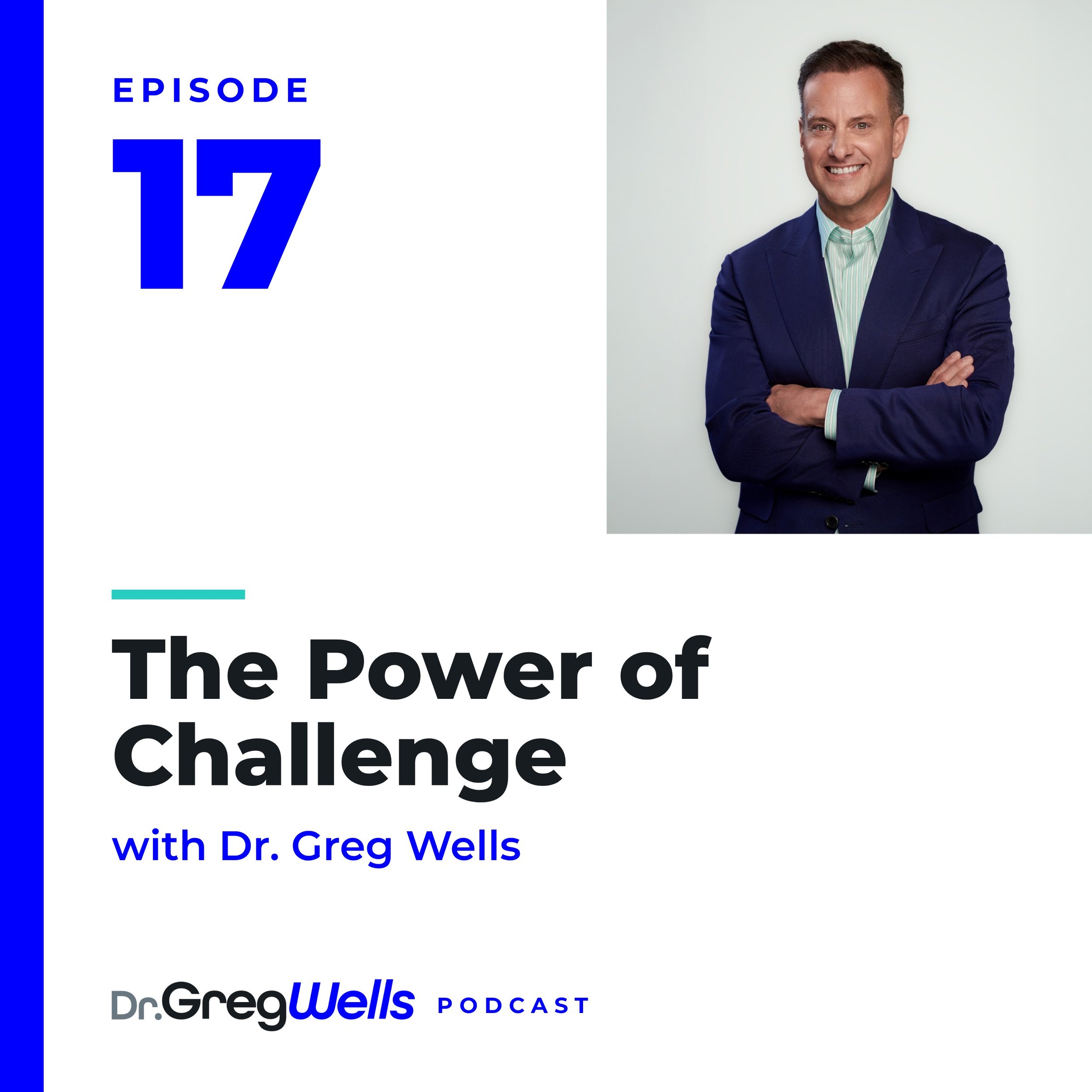
The Power of Challenge
In October 2012, Felix Baumgartner stepped out of a capsule about 39 kilometres above New Mexico and became the first person to break the sound barrier in free fall. The jump almost didn’t happen. Baumgartner had thousands of jumps behind him, yet the pressurized suit he needed to survive triggered panic attacks, the first of his life. At one point he walked away from the project. Psychologist Michael Gervais worked with him on slow, controlled breathing and on how he talked to himself, and gradually exposed him to the discomfort of the suit. Within about two weeks he could spend hours in it. He reconnected with the mission instead of the fear, and he made the jump.
That is the first step in the progression I teach: pivot from threat to challenge. Your body meets a new assignment from your boss with the same stress machinery it would use against a predator, and when you read a situation as a threat, your sympathetic nervous system and cortisol take over. Lee Moore and his colleagues gave 127 people a golf putting task, with instructions that framed it either as a challenge or as a threat. The challenge group putted more accurately, felt better about the task and showed more effective gaze, movement and muscle activity than the threat group. When you see a demand as something you have the resources to meet, your body organizes itself to perform. Slow, deep breathing is one of the fastest ways I know to shift your nervous system back toward that state.
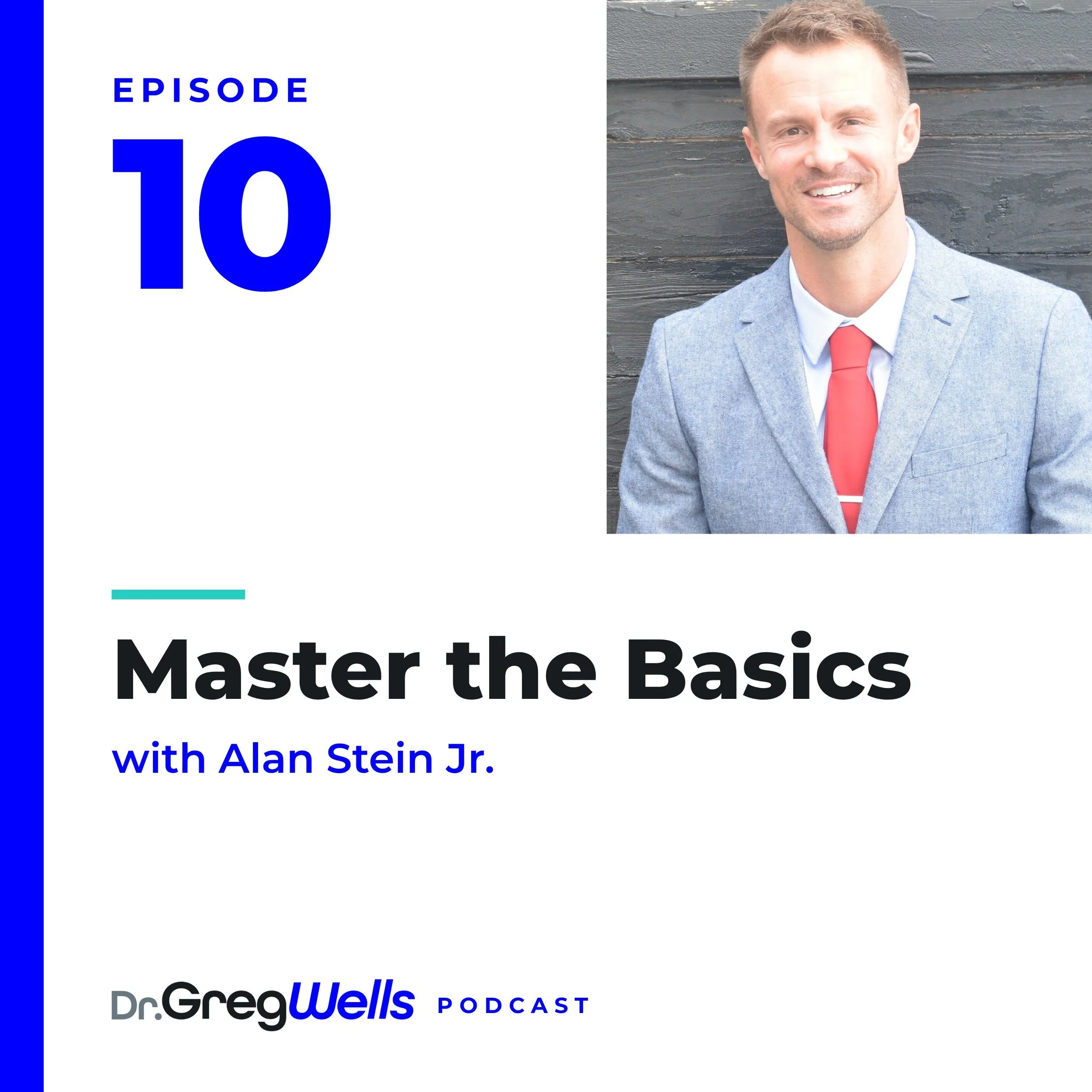
Master the Basics with Alan Stein Jr.
In 2007, Nike launched a series of summer skills academies to put development back at the centre of youth basketball, and the first was built around Kobe Bryant. Alan Stein Jr., then a basketball performance coach, got to watch one of Kobe’s private workouts. The intensity was what he expected. What surprised him was how much of the session Kobe gave to the basics. In a workout of about two and a half hours, Kobe would spend 30 to 45 minutes on fundamentals like footwork and pivots before he moved on to advanced moves. For Alan, that settled it: if the best player in the world commits to mastering the basics every day, the rest of us can too.
Kobe’s focus on the basics is also a lesson in attention. Alan’s rule for living in the present is simple: be where your feet are. Your brain makes that harder than it sounds. When Harvard researchers Matthew Killingsworth and Daniel Gilbert used an iPhone app to sample people’s thoughts in real time, minds were wandering 46.9% of the time, and people were less happy while their minds wandered than while they were focused on what they were doing (Killingsworth and Gilbert, 2010). Every time you bring your attention back to the task in front of you, you practise the same skill Kobe brought to a simple pivot drill.
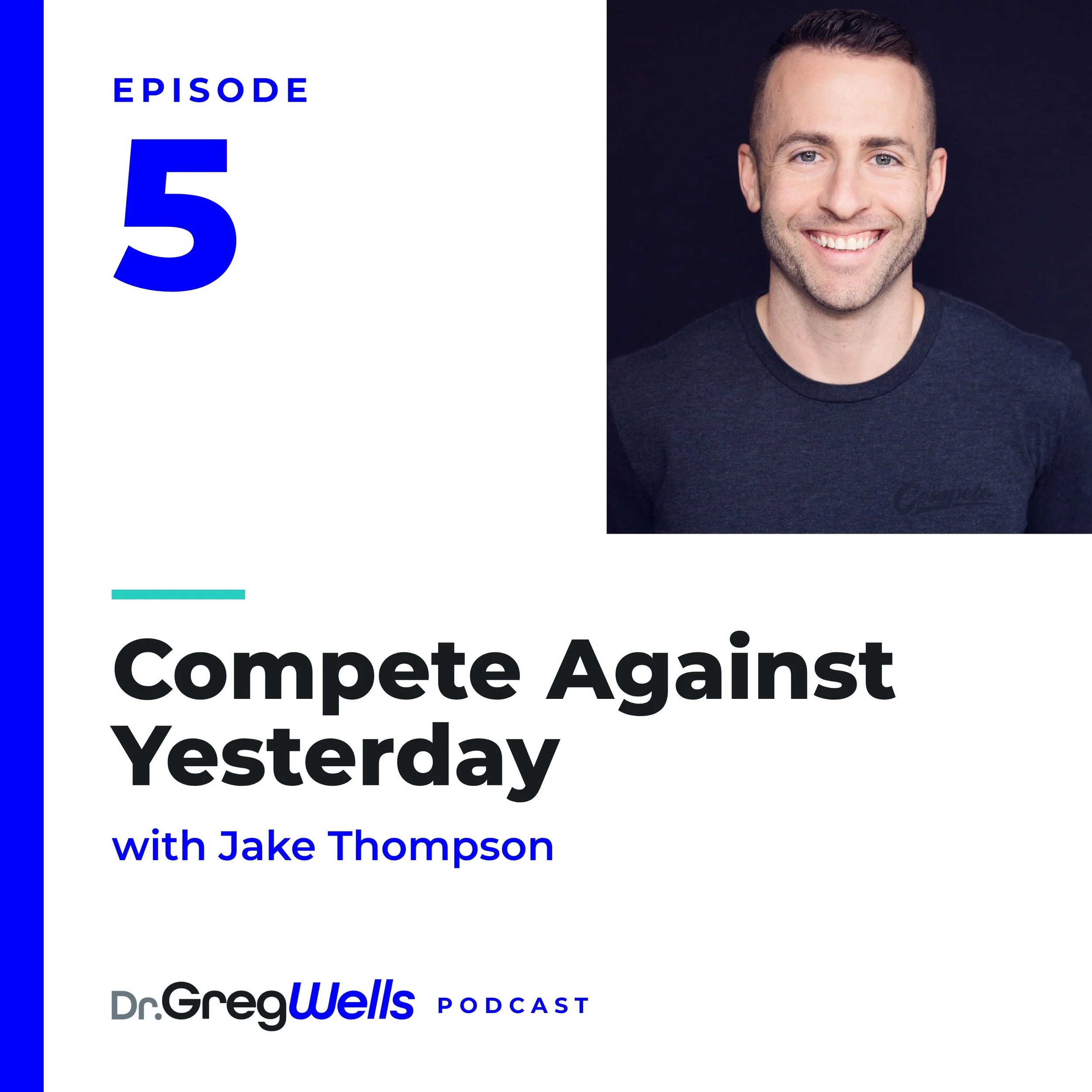
Compete Against Yesterday with Jake Thompson
Jake Thompson grew up a smaller kid in Texas, where football is close to a religion, and competition was how he proved he could outwork more talented opponents. Then, like every athlete, he had to retire from the game he loved. For years afterward he compared himself to everyone around him and everyone he saw online, and it drained him. The shift came on a run. He pictured a 100-metre sprinter who glances left and right to check on the rest of the field, and how that glance costs speed. Jake realized he had been spending his life looking into other people’s lanes. He decided to compete against yesterday’s best instead, and that idea became Compete Every Day, a brand he started in 2011 by selling T-shirts out of the trunk of his car behind a CrossFit gym.
Comparison is built into how you judge yourself, and social media turns up the volume. Researchers at the University of Toledo found that people who used Facebook most often had lower self-esteem, and that the link ran through more frequent upward comparisons with people who seemed to be doing better. In a follow-up experiment, simply viewing a profile with an active social life and healthy habits lowered people’s self-esteem in the moment (Vogel et al., 2014). You see the highlight reel of someone else’s life next to the full, unedited version of your own. When you compete against your own yesterday, you compare yourself with someone whose whole story you know, and you control every input.
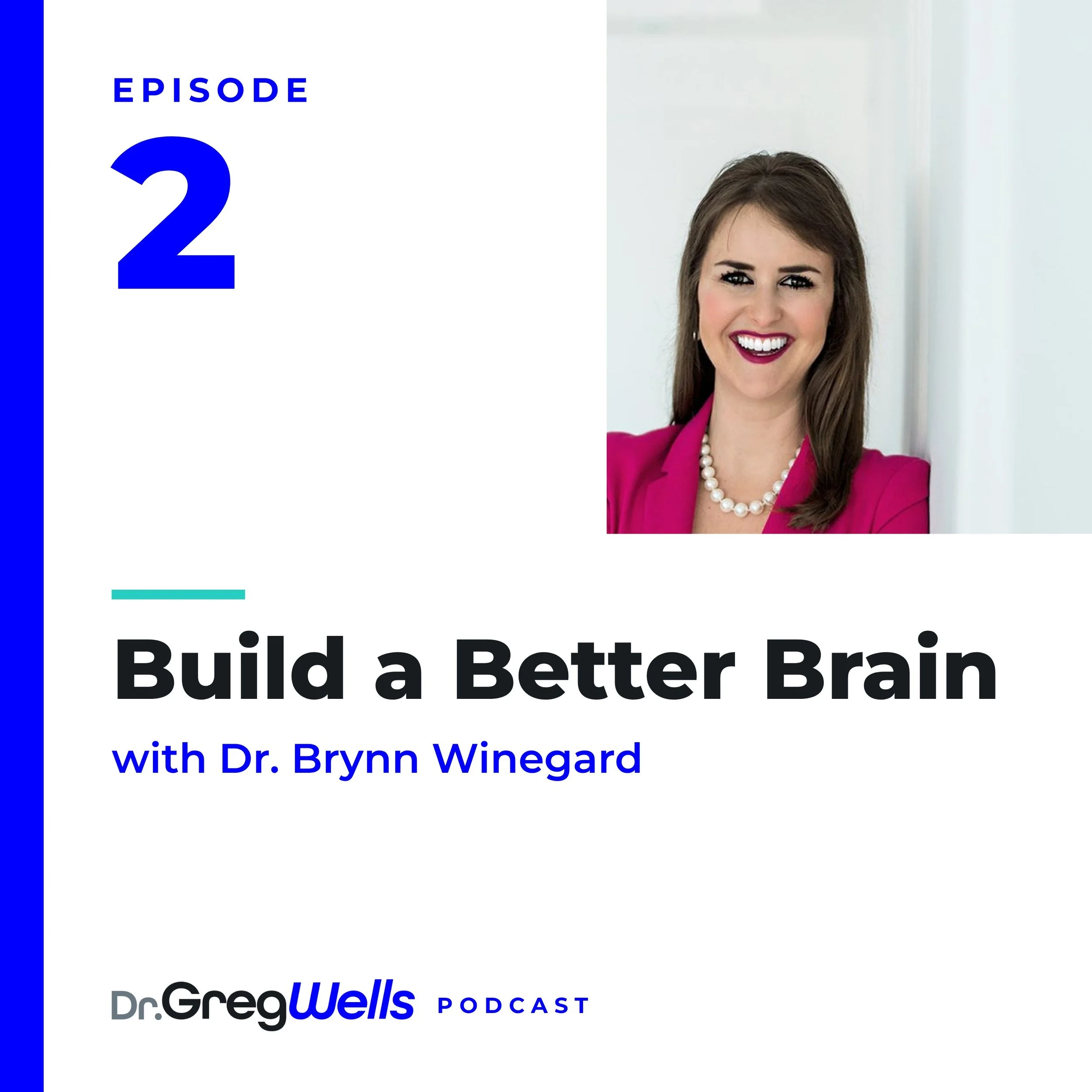
Build a Better Brain with Dr. Brynn Winegard
A personal trainer Dr. Brynn Winegard knows had clients who simply did not want to exercise, so he stopped asking them to run. He asked them to promise one thing instead. Every day, they would put on their workout clothes, tie their shoes, pull their hair back, put their earbuds in, walk out the front door and stand in the driveway. That was the whole commitment. Brynn loves the story because it captures what she teaches about motivation: starting is the hard part. Once you are dressed and standing in the driveway, the first step comes easily, and a little progress makes the next step easier still.
Brynn applies the same thinking to hard emotions. Rather than repress fear, she suggests you transform it: name it, normalize it and point its energy toward action. Researchers at Harvard tested a version of this with students preparing for the GRE. Students who were told that the physical arousal they feel before a test can help performance scored higher on the math section, both in a practice session and on the real exam one to three months later (Jamieson et al., 2010). Habits build one repetition at a time. In a study of 111 new gym members, it took at least four workouts a week for about six weeks before exercise became a habit, and doing it consistently was the strongest predictor of success (Kaushal and Rhodes, 2015).
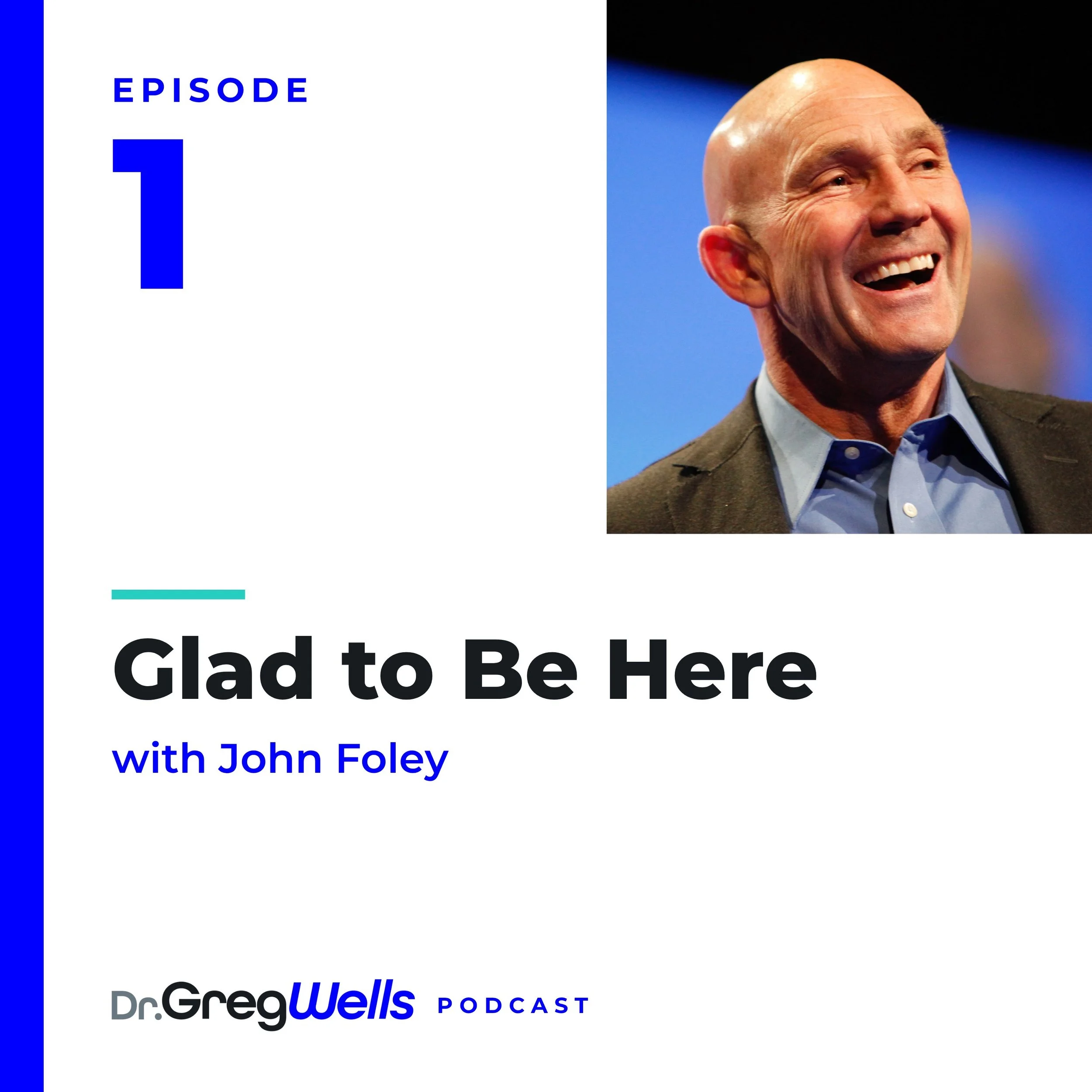
Glad to Be Here with John Foley
When John Foley was learning to fly as a Blue Angels solo pilot, his mentor gave him a checkpoint for the two-mile mark of a maneuver: the northeast corner of a three-story white house, the upper window with the green shade. John thought it was impossible. He would be upside down at 400 knots, and that house sat among a cluster of other white houses. With repetition, he learned to pick out the green shade every time he flew past. As John puts it, you can see that kind of detail at speed when you know exactly what you are looking for. Without the preparation, everything is a blur.
John and his teammates rehearsed every maneuver before they flew it. On the ground, the boss talked the team through the routine in the same cadence and tone they would hear in the air, so the whole team visualized the flight together. The research supports what they were doing. A meta-analysis of mental practice, the cognitive rehearsal of a task before you perform it, found that it has a positive and significant effect on your performance (Driskell, Copper and Moran, 1994). The Blue Angels close the loop with a debrief after every flight. When researchers pooled studies of teams and individuals, well-run debriefs improved performance by about 20 to 25 percent on average (Tannenbaum and Cerasoli, 2013).